
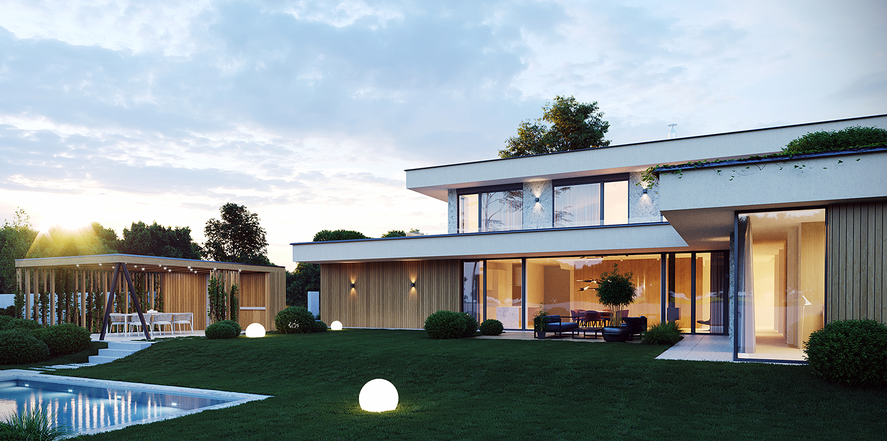


High-rise residential buildings need ventilation without compromising occupant safety, weather protection, or architectural quality. This makes the specification of a tilt and turn window more complex than simply selecting a window that can open in two directions. For architects, developers, and window manufacturers, the hardware system must coordinate tilting, turning, locking, load support, and sealing. We believe a systems-driven approach provides a more reliable way to manage these requirements in elevated residential applications.
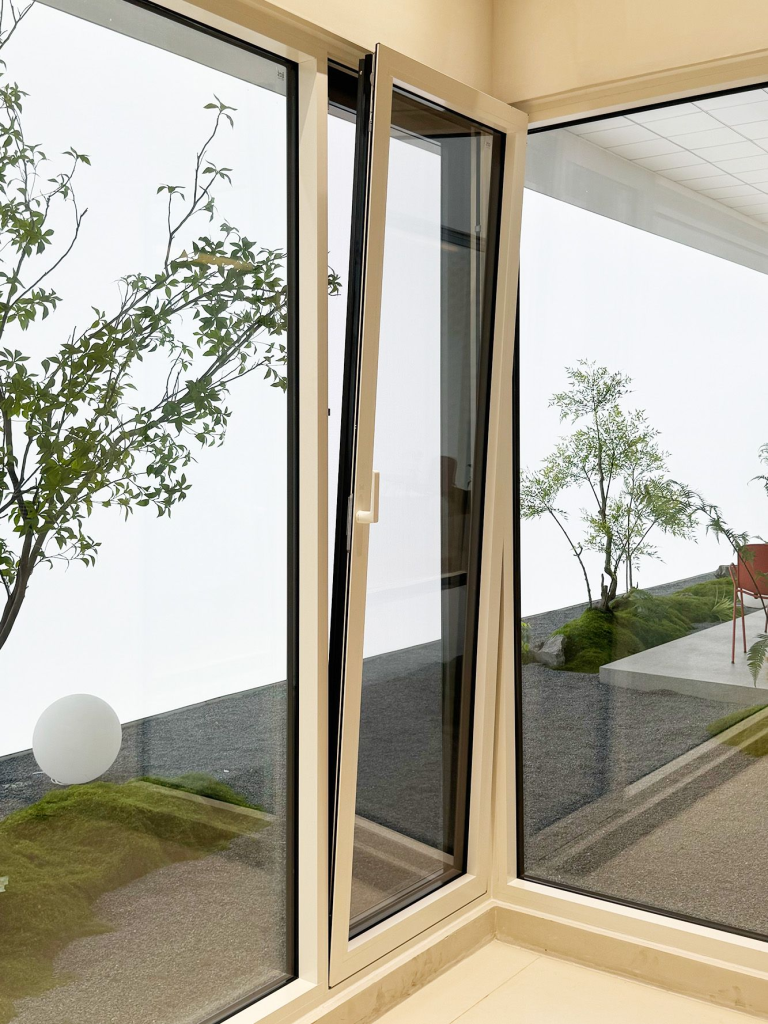
The Tilt Position Supports Controlled Ventilation in High-Rise Applications
The ventilation advantage of tilt and turn windows lies primarily in the tilt position, which allows the sash to open at a limited angle rather than swinging fully inward. This configuration provides fresh air while maintaining a contained opening—particularly useful on high floors, where wind pressure is stronger and less predictable, and where occupant safety and weather protection are greater concerns.
Achieving this controlled function depends on precise hardware coordination. The handle, gearbox, hinges, locking points, and support components must work together to keep the sash stable throughout its intended range of movement. If the mechanism allows excessive play or imprecise positioning, the ventilation performance becomes less reliable. For high-rise residential projects, where consistent operation across many units is often required, standardized hardware specifications help developers and manufacturers maintain predictable performance and simplify quality assurance.
Concealed Hinges Improve Both Design and Function
High-rise residential developments increasingly combine expansive glazing with minimalist interiors. Visible hardware can interrupt these clean surfaces, particularly when windows are positioned in prominent living spaces.
Our concealed configuration integrates the hinge structure into the window system, reducing visible hardware while supporting the architectural appearance. The available hinge load ratings range from 80 kg to 130 kg, with the concealed configuration supporting sash widths of 490 to 1,200 mm and heights of 600 to 2,800 mm.
The hinges use thickened 304 stainless steel support arms and fully adjustable sealing geometry. These features help provide structural stability while allowing the system to accommodate different window sizes and support weatherproofing requirements.
A Systems-Driven Gearbox Controls Movement
The drive gearbox is another critical element because it translates handle movement into the coordinated operation of the window hardware. In a high-rise application, inconsistent movement or mechanical play can affect the user’s confidence in the system.
Our concealed configuration uses patented dual-gear technology. The precisely meshed gears are designed to eliminate play and backlash, while an anti-drift design helps maintain alignment. A stainless steel faceplate also resists wear and deformation, supporting consistent operation over time.
This systems-based approach matters because ventilation safety does not depend on one locking component. The gearbox must interact correctly with the hinges and locking elements to maintain the intended opening position.
Weatherproofing Matters on High-Rise Façades
Ventilation performance cannot be considered separately from weather protection. High-rise façades can experience significant wind and rain exposure, making effective sealing especially important.
The concealed hinge system incorporates fully adjustable sealing geometry. This allows installers to fine-tune the sealing relationship around the sash, helping support weatherproofing after installation.
For project teams, adjustability is valuable because actual installation conditions can vary. Rather than relying solely on fixed positioning, adjustable hardware can provide greater flexibility when aligning the sash and frame during installation and commissioning.
Ergonomics Makes Safe Operation More Practical
A sophisticated window system still needs to be intuitive for residents. If a handle is difficult to operate or requires excessive force, occupants may misuse the mechanism or avoid ventilation altogether.
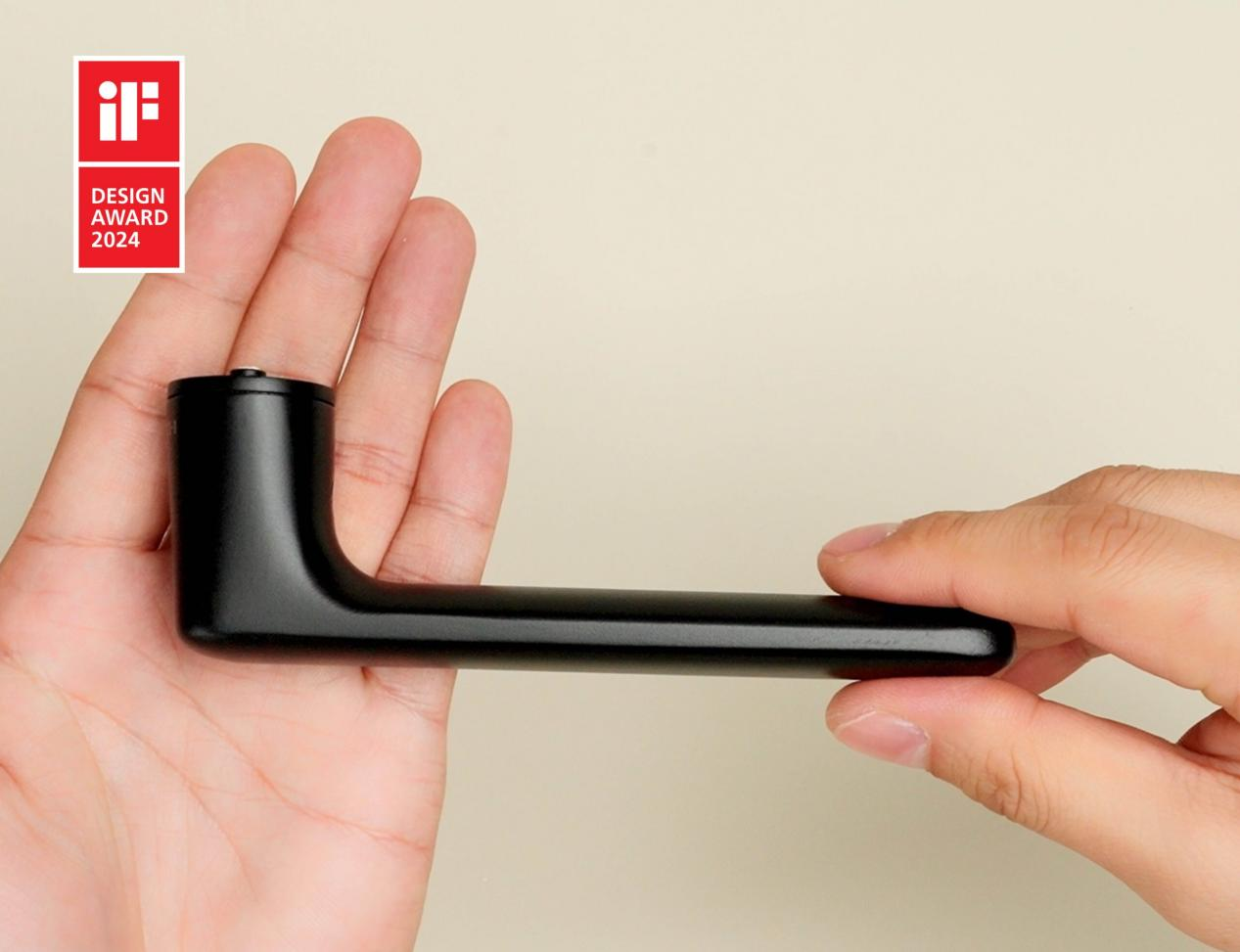
We offer Milan Series and Venice Series handles for the concealed configuration. Both are designed to complement different interior styles and have received German Red Dot and iF Design Awards. Their precision-engineered mechanisms are intended to provide smooth, stable, and long-lasting operation.
For high-rise residential projects, ergonomic operation is not simply an aesthetic benefit. Clear and predictable handle movement can help residents understand how the window should be operated, supporting more consistent everyday use.
What Developers Should Evaluate Before Specification
When selecting a tilt and turn window, we recommend evaluating the complete hardware system rather than focusing on one component. Important factors include sash dimensions, load rating, opening modes, hinge configuration, sealing adjustment, gearbox design, locking performance, and handle ergonomics.
Project teams should also confirm that the selected hardware matches the window profile and fabrication process. Early coordination between architects, developers, fabricators, and hardware specialists can reduce installation complications and improve consistency across multiple residential units.
CMECH develops integrated door and window hardware solutions for professional architectural applications. Our concealed tilt and turn system combines load-rated hinges, a dual-gear drive gearbox, and minimalist handles to address both performance and design requirements.
Building Safer Ventilation Into Every Opening
High-rise ventilation requires more than a window that simply opens. It requires coordinated hardware that controls movement, supports the sash, maintains alignment, and helps preserve weather performance.
CMECH approaches tilt and turn windows as complete systems rather than collections of independent fittings. By combining concealed hinges, adjustable sealing geometry, dual-gear drive technology, and ergonomically designed handles, we help project teams address the interconnected requirements of modern residential openings.
Ultimately, the value of a systems-driven approach is consistency. When every hardware component performs its intended role as part of a coordinated mechanism, residents can enjoy controlled ventilation with intuitive operation, while architects and developers gain a window solution aligned with demanding high-rise design requirements.
 English
 Arabic
 Chinese
 French
 Thai
 Vietnamese