
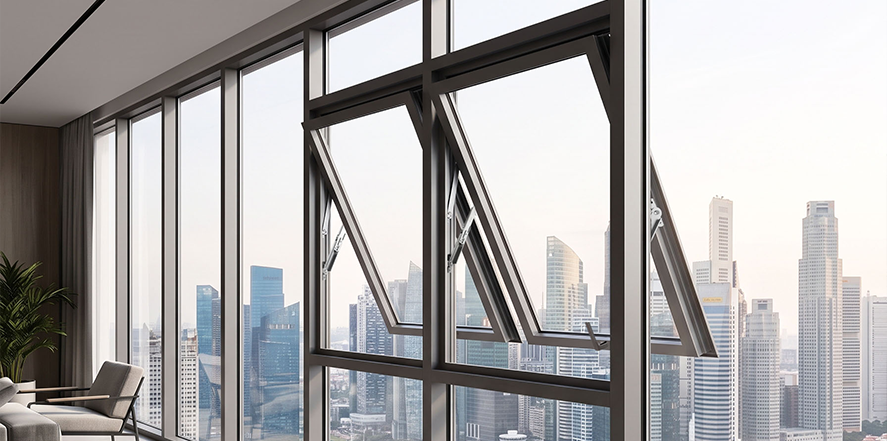


Windows affect more than natural lighting and ventilation. In residential and commercial projects, buyers and developers also consider durability, appearance, and daily operation experience. Hardware selection can influence how a window performs over time, especially for awning windows used in different building environments.
A well-designed window system can support property value by improving usability and reducing maintenance concerns. When evaluating awning window hardware, project teams often review security, weather resistance, installation requirements, and design compatibility before making decisions.
Understanding The Value Of Window Hardware Design
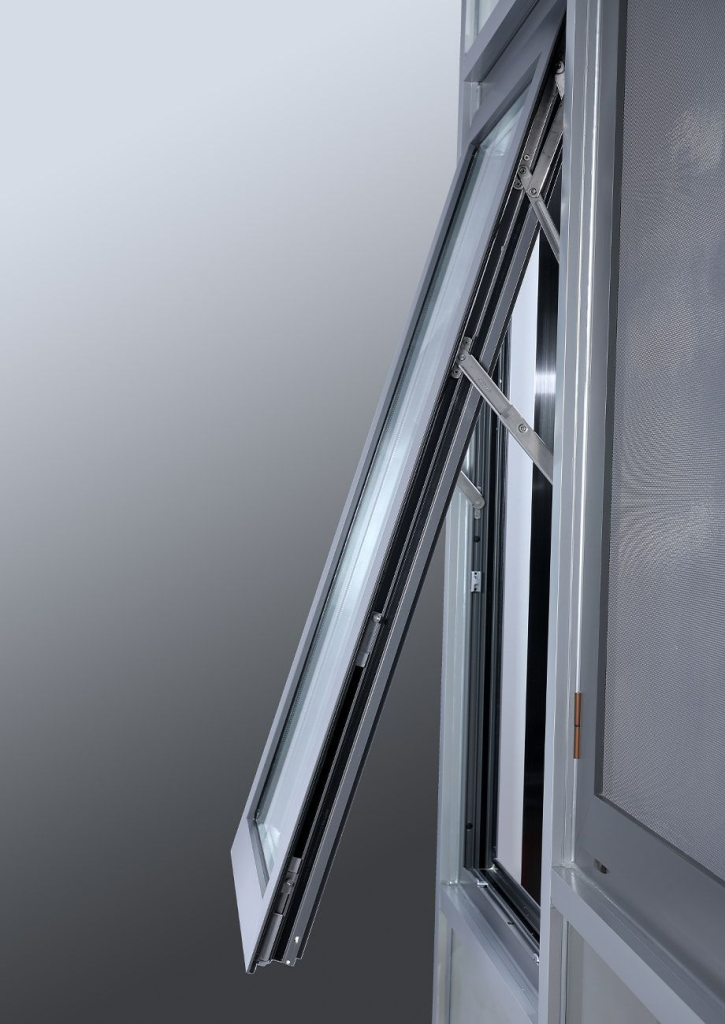
Awning windows are commonly selected for their top-hinged structure, which allows ventilation while helping protect interiors from light rain. However, the performance of the window depends on the coordination between the frame, sash, and hardware components.
For developers and architects, hardware for awning windows is not only a functional accessory. It affects how smoothly the window operates, how stable the opening position remains, and how the overall window design fits the building style.
Property valuation is connected with many details that influence user experience. Reliable window operation, clean appearance, and suitable safety features can become important elements when buyers evaluate a property.
CMECH focuses on door and window hardware systems for professional applications. With business origins dating back to the 1990s, our company work with window manufacturers and building professionals on hardware requirements for different projects.
How Multi Point Locking Supports Better Performance
Modern buildings often require windows that can balance ventilation, security, and weather sealing. A multi-point locking mechanism can help distribute locking force across different positions, improving overall window stability during daily use.
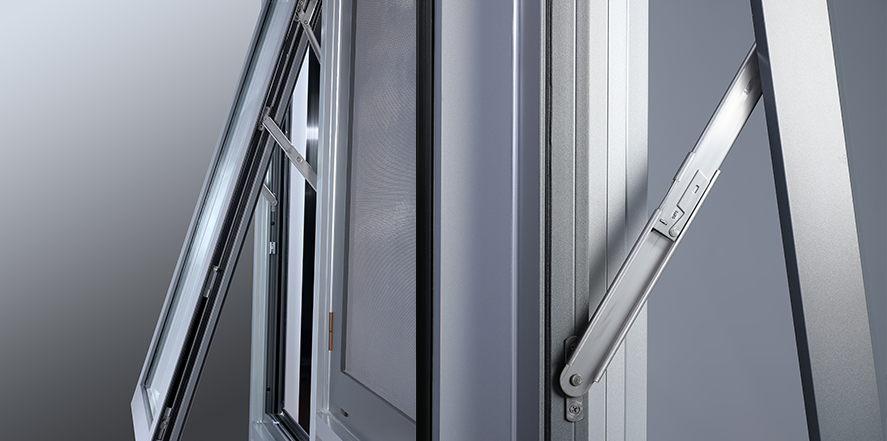
Our OUTSWING AWNING WINDOW HARDWARE SOLUTION is available in standard and curtain wall configurations. It uses a multi-point locking mechanism to support security, weather sealing, and overall stability. This design approach helps professional users select suitable hardware based on project needs.
The structure of awning window hardware should match the application environment. For example, commercial buildings may have different requirements from residential projects. Factors such as window size, opening frequency, and installation conditions should be considered before choosing a system.
A proper hardware for awning windows solution can also influence long-term maintenance planning. Stable components and practical designs may help reduce adjustment work during the service period, which is valuable for property owners and facility managers.
Considering Material And Operation Details
Small hardware details can affect the daily experience of using windows. Components such as limiting stays, locking parts, and adjustment structures need to work together to provide smooth operation and consistent performance.
The OUTSWING AWNING WINDOW HARDWARE SOLUTION includes a limiting stay available in sizes from 8 to 20 inches. It is designed to fit different window grooves with flexibility and locks automatically when opened to provide wind resistance support.
Made from 304 stainless steel, the limiting stay is designed to support stable window positioning during use. Its automatically engaging mechanism helps control the opening position, while the suitability of the selected configuration should be assessed against the window design and expected operating conditions.
For architects and manufacturers, choosing suitable hardware for awning windows requires attention to both appearance and function. Hidden or refined hardware designs can help maintain a cleaner visual effect while supporting the mechanical needs of the window.
How Hardware Choices Influence Property Appeal
Property buyers often notice visible features first, but long-term value also depends on details behind the design. Window hardware influences operation feeling, maintenance expectations, and the overall quality impression of a building.
At CMECH, we develop door and window hardware solutions with attention to design and practical application. Our products include solutions for different window and door systems, helping partners evaluate options according to project requirements.
Using suitable awning window hardware can support a more complete building design. When hardware matches the window structure, it can contribute to better user experience and provide a consistent appearance across different spaces.
For real estate projects, hardware selection is part of the overall building strategy. Developers and contractors can review technical requirements, installation methods, and future maintenance needs before selecting window systems.
Creating Long Term Value Through Better Selection
The relationship between window hardware and property valuation is based on practical factors. A reliable system can support comfortable operation, building appearance, and maintenance planning throughout the product life cycle.
When selecting hardware for awning windows, professional buyers should consider locking structure, material quality, compatibility, and project conditions. These factors help create a balanced approach between design expectations and functional requirements.
With experience in door and window hardware manufacturing, CMECH works with industry partners to provide solutions for different applications. Project teams can discuss system requirements and choose suitable configurations based on their specific needs.
For large-scale developments, hardware selection should be coordinated with window specifications, installation methods, and future maintenance plans. Early communication between suppliers, fabricators, and contractors helps resolve compatibility questions before installation begins and gives property teams a clearer basis for ongoing maintenance.
 English
 Arabic
 Chinese
 French
 Thai
Thai Vietnamese