
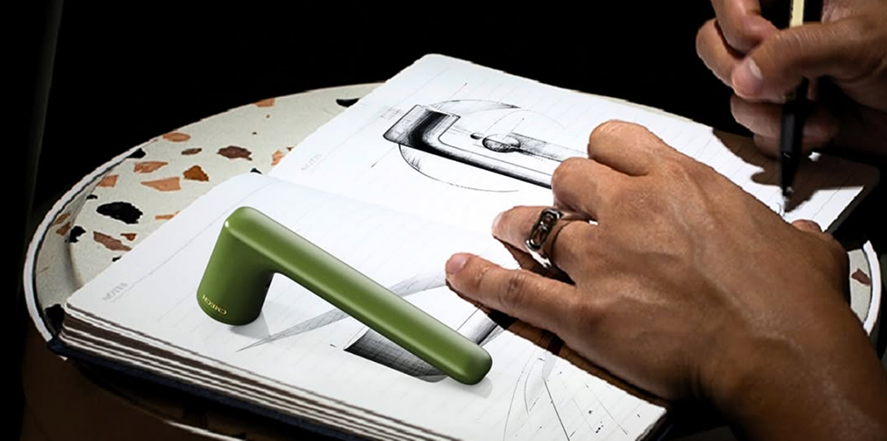


Door hardware is one of the most functional yet frequently overlooked elements in building design. Whether you are specifying components for a luxury residential tower or a commercial facility, understanding the types of door hardware available — and how each serves a distinct purpose — is essential for making informed decisions from the outset.
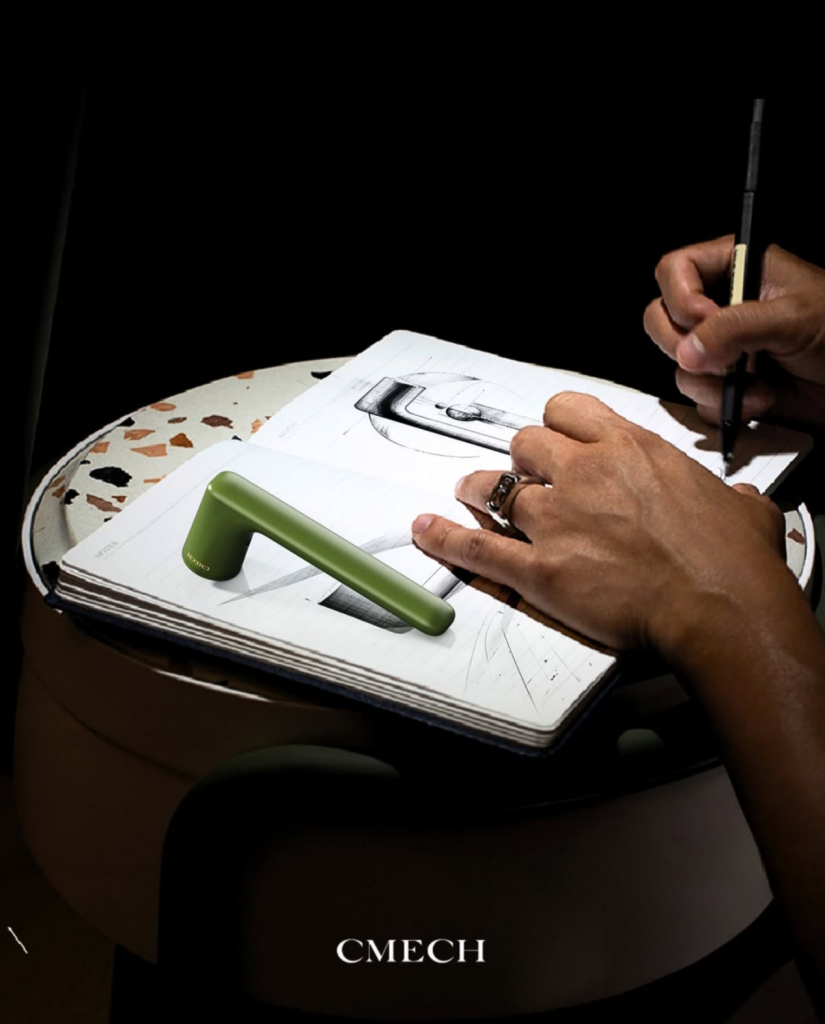
What Is Door Hardware?
Door hardware encompasses all the mechanical and electronic components that control how a door operates: how it opens, closes, latches, and locks. In commercial settings, hardware must endure heavy daily use, comply with building codes, and maintain reliable performance across thousands of operating cycles. Choosing the wrong components leads to premature failure and security gaps. Choosing the right ones creates a seamless experience for occupants while extending the lifespan of the entire door system.
Core Components and Their Functions
Hinges
Hinges form the structural connection between door and frame, bearing the full weight of the door leaf. In commercial applications, hinge selection also factors in fire rating compliance and the number of daily operating cycles the door is expected to handle. Common types include:
- Butt hinges: The most widely used, suitable for interior and exterior doors alike
- Continuous (piano) hinges: Run the full door height for superior load distribution
- Pivot hinges: Allow rotation on a central axis, often specified in modern commercial and architectural applications
- Concealed hinges: Mounted inside the door and frame, providing a clean exterior appearance
Locks and Latches
Locks and latches are the primary security elements of any door system:
- Mortise locks: Installed within a recessed pocket in the door body; the preferred choice for commercial and high-security applications due to their durability
- Cylindrical locks: Bored through the door, commonly used on interior office doors and lighter-duty openings
- Deadbolts: Provide an additional security layer independent of the latch mechanism
- Multipoint locking systems: Engage the door frame at several points simultaneously, improving both security and weathersealing — particularly valuable in lift-and-slide door configurations
Handles and Pulls
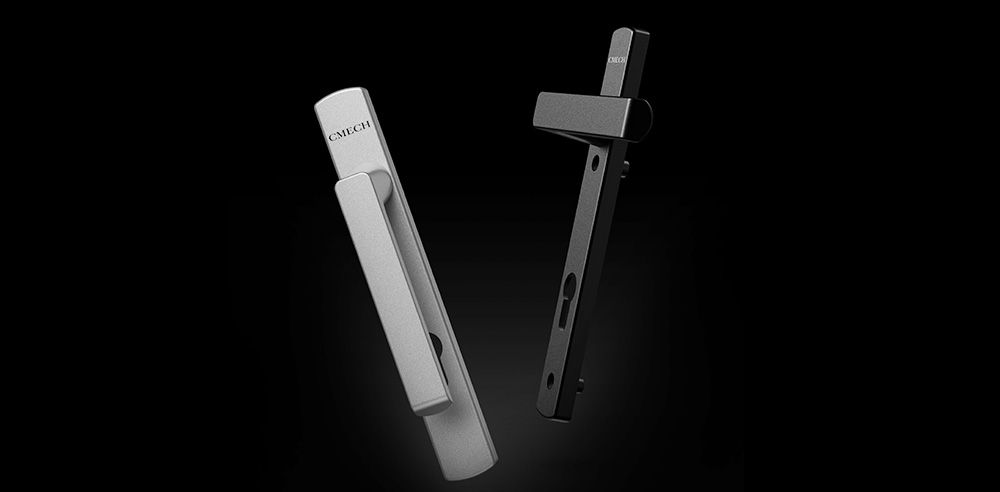
Handles must balance ergonomics, aesthetics, and mechanical durability. Lever handles are the most common in both residential and commercial settings and are often required under ADA accessibility guidelines. Pull handles are used on heavier doors such as entrance and large-format glazed panels.
Flush pulls sit recessed within the door surface, keeping the profile clean on sliding or pocket doors. The surface finish also plays a practical role beyond appearance, as coatings such as powder coating or nano-black treatment directly affect corrosion resistance and long-term durability under daily contact.
Door Closers and Exit Devices
Door closers automatically return a door to the closed position and are standard on fire-rated doors, stairwells, and corridor entries in commercial buildings. Exit devices — commonly called panic bars — are required by life safety codes in many commercial occupancies and allow rapid egress without the need to turn a knob, a critical requirement during emergency evacuation.
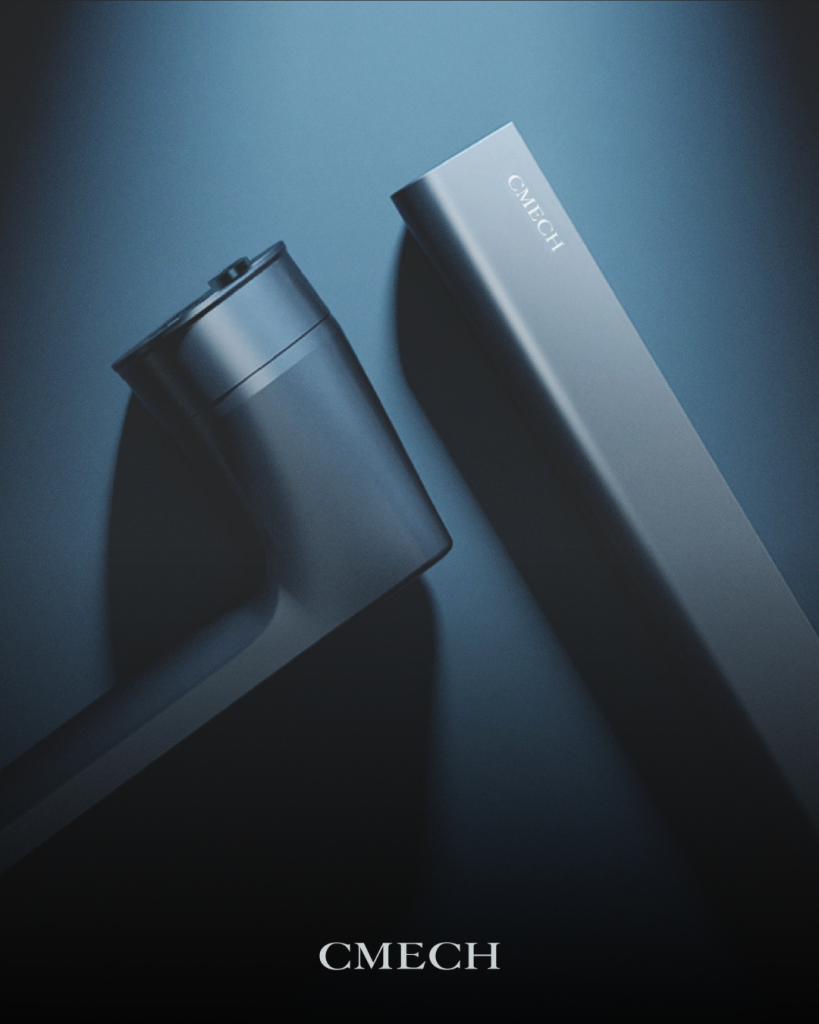
The Different Types of Door Hardware Systems
Beyond individual components, the different types of door hardware are also defined by the movement system they support:
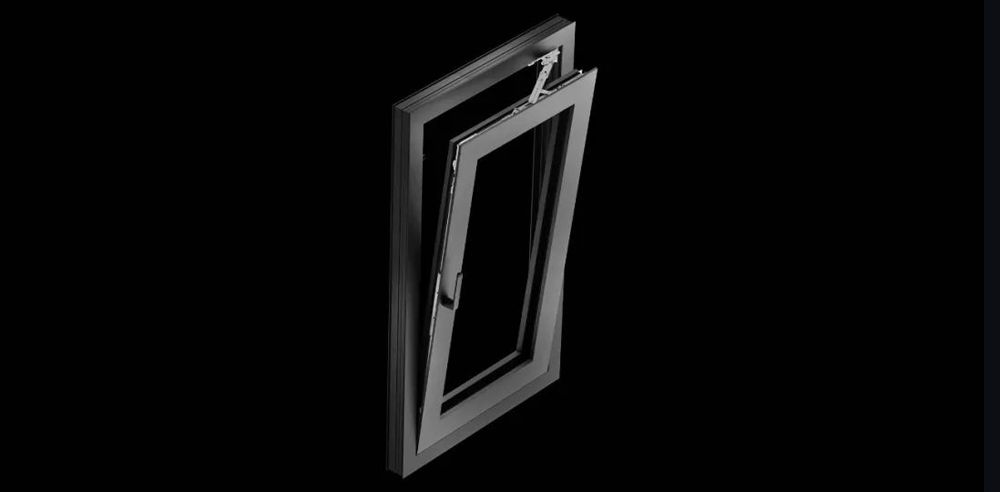
- Hinged door hardware: The traditional swinging door, requiring hinges, a lockset or multipoint lock, and a handle set
- Sliding door hardware: Uses a track and roller system, widely used for balcony and patio openings
- Bi-folding door hardware: Panels fold back on each other, ideal for wide openings in villas and hotel lounges
- Lift-and-slide door hardware: The sash lifts off its seal before sliding, allowing large, heavy panels to move smoothly while maintaining an airtight seal when closed
CMECH is a door and window hardware specialist that has been operating since the 1990s, with nearly 30 years of design and manufacturing experience. The brand covers 15 major hardware system categories and serves projects across North America, Europe, the Middle East, and Asia-Pacific — from the Atlantis Hotel in Sanya to luxury residential towers throughout Thailand, Vietnam, and China.
CMECH Door Hardware Series
CMECH’s door hardware covers four core systems: Lift and Slide, Sliding, Hinged, and Bi-Folding. Key highlights include:
- Multipoint locking on both hinged and lift-and-slide systems for secure, simultaneous frame engagement
- Robotic manufacturing using KUKA and FANUC systems for dimensional consistency across every unit
- Four surface finish options including powder coating, M-treatment, E-treatment, nano-blue, and nano-black
- All products pass load, durability, salt spray, and pressure tests prior to release
- 10-year hardware warranty and annual production capacity of 60 million sets at over 99.3% yield rate
- Recipient of the German iF Design Award 2024 and two German Red Dot Design Awards
Choosing the Right Door Hardware
Key factors to evaluate include the door type and material, the direction and method of opening, expected traffic volume, applicable fire ratings, ADA requirements, and the aesthetic finish language of the space.
For architects, developers, and contractors working on premium projects, specifying a complete hardware system from a single manufacturer simplifies coordination and improves long-term performance outcomes. Explore how CMECH hardware has been applied across global landmark developments on the CMECH Projects page.
 English
 Arabic
 Chinese
 French
 Thai
Thai Vietnamese