
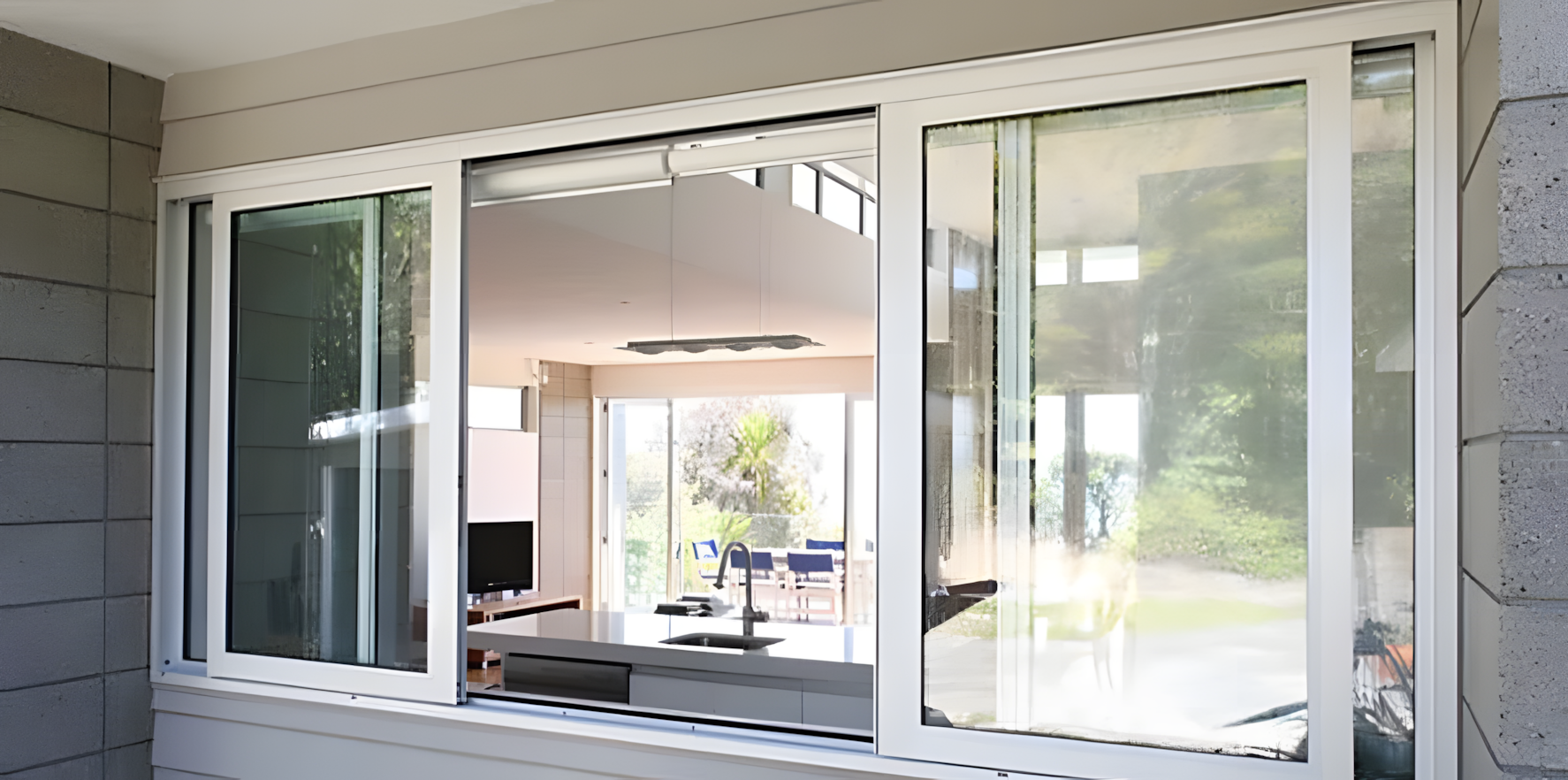


Sliding windows are one of the most widely used window types globally, valued for their clean lines, space efficiency, and ease of use. Understanding the essential components of sliding window hardware — and how each one contributes to smooth operation, security, and longevity — helps you make a smarter choice whether you are a homeowner, fabricator, or project specifier.

How a Sliding Window Works
A sliding window operates by moving one or more sashes horizontally along a track. Unlike casement or tilt-and-turn windows, there are no hinges involved in the opening mechanism. Instead, the sash sits on rollers at the bottom and is guided by a track at the top, allowing it to glide laterally within the frame.
The simplicity of this motion is what makes sliding windows low-maintenance, but it also means that the quality of the rollers, track, and locking mechanism determines virtually everything about long-term performance.
Essential Hardware Components
Rollers
Rollers are the most performance-critical component in any sliding window. They bear the full weight of the sash and must allow it to travel smoothly across the full width of the track for the life of the window. Key factors to evaluate:
- Load capacity: Rollers must be matched to the actual sash weight. Overloading rollers causes premature wear, misalignment, and increasing friction over time.
- Wheel material: Rubber-coated or polymer wheels reduce noise significantly compared to bare metal wheels. They also provide a degree of compliance that accommodates minor track irregularities.
Track
The track guides the sash and provides the bearing surface for the rollers. Track profile geometry must match the roller wheel shape precisely to prevent lateral play and sash wobble during operation. A poorly fitted track-roller combination causes noise, uneven wear, and eventual difficulty in operation even if the individual components are of reasonable quality.
Handle
The sliding handle on a sliding window serves two functions: it provides a grip point for moving the sash and it engages the locking mechanism when the window is closed. The two most common handle types for sliding windows are recessed flush-pull handles and external lever handles.
Recessed handles sit flush with the sash face, which is visually cleaner and prevents the handle from obstructing the sash’s travel path when multiple panels overlap. For windows with a fly screen panel, a recessed handle is often the only practical option. External lever handles project from the sash face and are easier to grip but require more clearance between panels.
Hook Lock and Lock Keeper
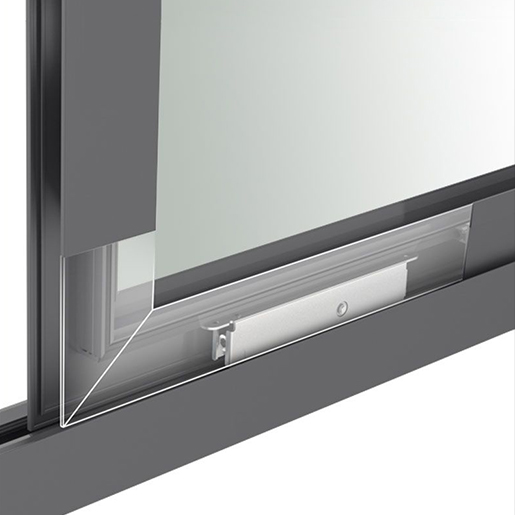
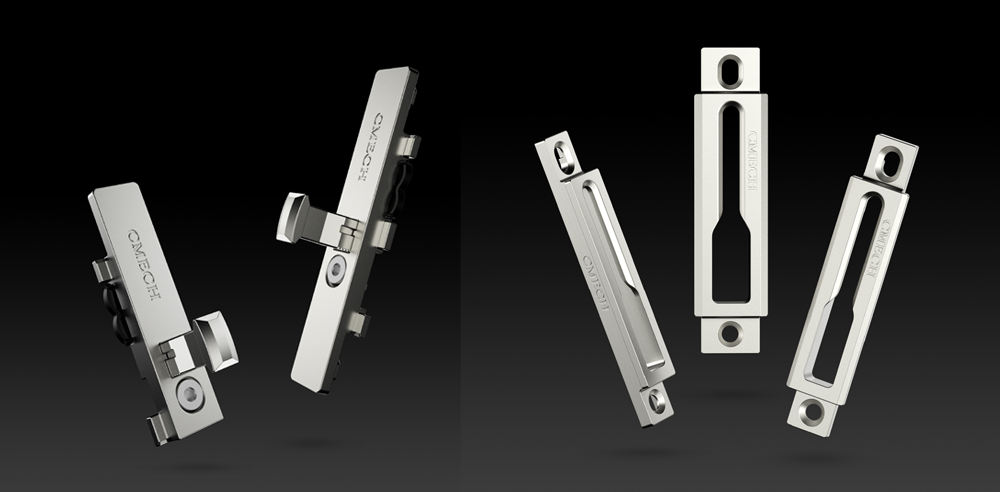
The hook lock is the secondary security component. When the handle is engaged, a hook or bolt extends from the sash into a keeper plate in the frame or adjacent sash. The geometry of the hook and keeper determines how much force is required to pull the sash open without the handle — which is the primary measure of anti-pry resistance. Roller-style hook locks with bearing-assisted engagement reduce friction in the locking action and extend the life of both components.
How Hardware Quality Affects Performance
Smoothness and Noise
Rollers with rubber-coated wheels on a properly aligned track produce almost no noise. Metal-on-metal contact, worn wheels, or a misaligned track all generate noise and vibration that worsen progressively. Hardware that starts noisy rarely improves with use.
Weatherproofing
A sliding window’s weather resistance depends on how tightly the sash is pulled against the frame seals when locked. A hook lock with a self-adjusting hook — one that compensates for minor profile tolerances — maintains consistent seal compression even as the frame expands and contracts seasonally.
Security
Security performance is a function of both the lock geometry and the anti-lift provisions. A locking hook rated to a documented pull-out force, combined with an anti-lift block, provides meaningful resistance to forced entry without requiring complex hardware.
CMECH Sliding Window Hardware Series
CMECH is a premium window and door hardware brand with nearly 30 years of global industry experience. The CMECH Sliding Window Hardware Series is built around a flush pull handle design philosophy, combining straightforward installation with reliable security and long-term smooth operation.
Key features and specifications:
- Bump Lock Recessed Pull Handle: Flush-mount design that combines fast installation with one-touch locking; saves space between sash panels; provides proven anti-theft protection in a compact, visually clean form
- S Metro Handle: Recipient of the German Red Dot Design Award; tested to 25,000 operating cycles; features a built-in child safety lock; includes a smart ±3 mm self-adjusting hook that compensates for profile tolerances and prevents accidental opening; available in automatic locking and manual locking versions
- Rollers: Multi-layer bracket design distributes sash weight intelligently; load capacity options ranging from 120 kg to 300 kg to suit a wide range of sash weights; rubber-coated wheels tested to 120,000 cycles with minimal wear; delivers quiet, smooth gliding throughout the product’s service life
Choosing the Right Sliding Window Hardware
The two most important matching decisions when specifying sliding window hardware are roller load capacity and handle type. Working with a hardware supplier that offers a complete, tested system — rollers, handle, hook lock, and accessories designed to work together — simplifies both specification and installation.


 English
 Arabic
 Chinese
 French
 Thai
Thai Vietnamese