
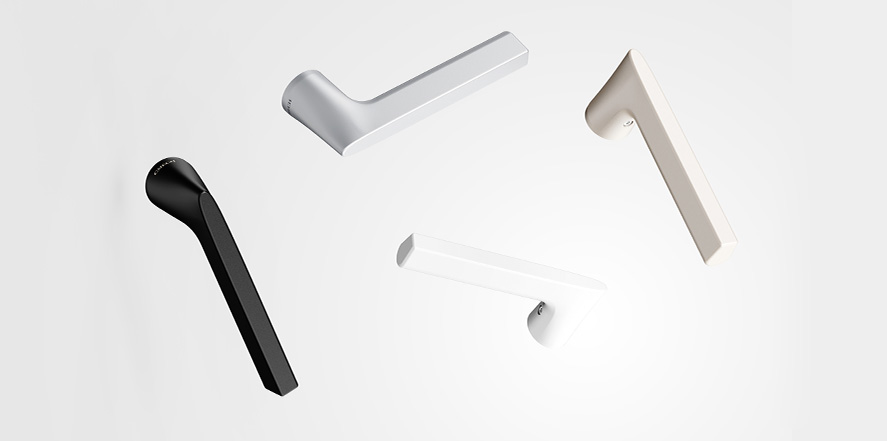


A dragging handle or scraping door rarely fails without warning. Dust may be collecting in a track, a fixing may be loosening or the sash may be moving out of alignment. Catch the change early and the solution may be a careful clean or a straightforward adjustment; ignore it and several components can begin working under extra load.
Effective window and door hardware maintenance combines gentle cleaning, regular inspection and model-approved lubrication. Good window hardware maintenance also means knowing when to stop: cleaning removes grit, but it cannot repair a cracked hinge, worn gearbox or overloaded roller. For window hardware cleaning, start with the mildest method suited to the finish, then investigate any stiffness that remains.
Quick care guide
Build window and door hardware maintenance into routine inspections:
- Remove loose dust before wiping a surface or lubricating a moving part.
- Check hinges, locks, keeps and rollers, not only handles.
- Use gentle window hardware cleaning methods suited to the exact finish.
- Keep tracks, drainage routes and locking points clear of grit and debris.
- Stop forcing a handle, sash or leaf that becomes stiff.
- Use a model-specific hardware maintenance checklist for each opening type.
- Ask the supplier before adjusting or dismantling a loaded or concealed mechanism.
Why maintenance matters before hardware fails
Hardware often receives attention only after the opening feels different. A dirty track can increase rolling resistance, a loose keep can affect lock engagement and a dropped leaf can transfer extra force into the hinges. Routine window hardware maintenance exposes those changes before users compensate by forcing the handle.
At handover, record the opening type, hardware model, material, finish and care instructions. This helps teams choose the right cleaner, identify replacement parts and distinguish cleaning from a technical fault.
What should a hardware maintenance checklist include?
A practical hardware maintenance checklist follows the opening from the handle to the parts that carry, guide and secure the sash or leaf.
| Component | Routine check | Warning sign |
| Handle | Wipe the surface and test return movement | Wobble, sticking or finish damage |
| Lock and gearbox | Test full engagement without forcing | Grinding or rising handle force |
| Keeps and fasteners | Check position and visible fixings | Movement, damage or missing screws |
| Hinges and stays | Inspect alignment, joints and clearances | Sagging, scraping or excessive play |
| Rollers and tracks | Remove debris and test travel | Rough movement, noise or derailment |
| Safety devices | Test engagement and release | Damage, bypassing or unreliable release |
| Gaskets and drainage | Keep contact areas and outlets clear | Trapped water or blocked drainage |
Maintenance tasks should be matched to the right person. Occupants can wipe accessible surfaces, while loaded hinges, concealed gearboxes, restrictors and closers should be adjusted by a competent person following the product instructions. Keep a record of the inspection date, cleaning products used, adjustments made and any faults found.
What cleaners are safe for window hardware?
For light soiling, start with a soft cloth, warm water and a little mild detergent, followed by a clean-water wipe and thorough drying. First confirm that this method suits the exact finish; bare stainless steel, paint, anodising, plating and polymers can respond differently.
The British Stainless Steel Association recommends soap or mild detergent in warm water for routine stainless-steel cleaning, followed by rinsing and drying. It warns against chloride solutions and unsuitable abrasives.
| Surface or area | Safe starting point | Avoid unless specifically approved |
| Bare stainless steel | Mild detergent, warm water, soft cloth, clean-water rinse and drying | Chloride cleaners, carbon-steel wool and scratching abrasives |
| Painted, coated, anodised or plated surface | Dry dusting, then a damp soft cloth; use mild detergent only when approved | Metal polish, abrasives, bleach, acids and aggressive solvents |
| Tracks and accessible locking areas | Soft brush, vacuum or damp cloth followed by drying | Pressure washing, flooding or pushing grit into rollers |
| Gearboxes and concealed locks | Wipe accessible surfaces only | Spraying cleaner inside or dismantling without instructions |
Good window hardware cleaning lifts grit away before wiping and keeps liquid out of internal mechanisms. Ask for product-specific guidance before using a stronger chemical.
How should handles, hinges, locks and tracks be cleaned?
Work from visible surfaces towards areas where grit accumulates:
- Dust the handle, hinge arms, keeps and track with a soft cloth or brush.
- Wipe approved surfaces with a damp cloth and the recommended cleaner.
- Use a clean cloth to remove detergent residue, then dry the hardware fully.
- Clear accessible drainage openings without disturbing seals.
- Operate the window or door gently and listen for scraping, grinding or clicking.
- Record anything that remains loose, stiff, damaged or out of alignment.
This sequence prevents dirty water carrying grit into moving parts and makes window hardware cleaning an inspection, not just a cosmetic wipe-down.
Should window and door hardware be lubricated?
Some moving interfaces require lubrication, but the product, application point and quantity must suit the mechanism. Hinges, rollers, locking points and gearboxes may have different requirements. The wrong product can attract dust, attack polymers or displace existing grease.
For window hardware maintenance, clean and dry first, apply only the specified amount and remove excess. Lubricant will not correct a dropped leaf or loose fixing, so investigate new resistance. CMECH’s sliding-door maintenance guidance likewise emphasises inspection, cleaning, suitable lubrication and alignment checks.
How often should hardware be maintained?
There is no dependable interval for every building. Frequency depends on use, exposure, opening type and the manufacturer’s instructions. A busy entrance or opening exposed to grit needs closer attention than lightly used internal hardware.
Begin with the project care plan, then add condition-based checks after installation, glazing replacement, impact, severe weather or a change in operation. A hardware maintenance checklist should not make staff wait for the next date when a handle loosens or a sash rubs. Planned window hardware maintenance works best with prompt action on warning signs.
Which materials and finishes make hardware easier to maintain?
Maintenance depends on material, surface treatment, geometry and exposure. Corrosion-resistant metals and protective treatments help components retain their condition, while scratch-resistant finishes reduce visible wear. Smooth, accessible forms are easier to wipe than dirt-trapping recesses.
Serviceability matters too. Stable fixings reduce wobble, low-friction structures support smooth movement and three-axis adjustment can simplify alignment. Adjustment aids servicing; it does not make a surface easier to clean or increase hinge capacity.
For reliable window and door hardware maintenance, match the material and finish to the environment and obtain the relevant care instructions. Corrosion-resistant hardware still benefits from prompt removal of deposits.
What CMECH product features can support easier upkeep?
Current CMECH pages identify features that support low wear, surface durability, stable operation or later adjustment. Each benefit applies to the named product or configuration.
| Current CMECH product or configuration | Verified feature | Why it matters for upkeep |
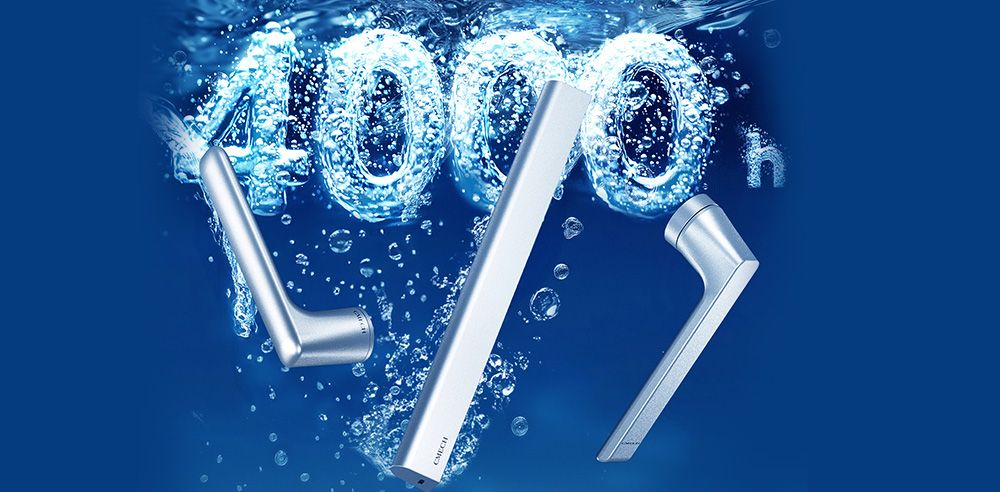
| Metro Handle Series | High-temperature special M treatment; more than 2,000 hours of neutral salt-spray testing; zinc-alloy construction | Supports corrosion-resistance evaluation and finish durability for this series |
| Sliding Door Series – roller | 304 stainless-steel bracket; triple-layer adjustable bracket; rubber-coated roller with minimal wear after 120,000 test cycles | Supports corrosion resistance, low roller wear and quieter, smoother sliding over time |
| Hinged Door Hardware Solution – hinge | Anti-corrosion surface treatment, anti-sag feature and three-axis adjustment | Supports surface durability and alignment correction within the adjustment range |
| Hinged Door Hardware Solution – multipoint lock | Stainless-steel faceplate and high-strength zinc-alloy housing with a scratch-resistant finish | Supports surface durability at a frequently operated component |
Features like these make upkeep easier, but they deliver their full benefit only with regular, model-specific care. CMECH’s Outswing Casement and Awning Window Hardware Solution shows what that routine looks like in practice:
- Apply a suitable amount of lubricant to the moving parts, lock keeps and adjustment points.
- Check the moving parts for looseness or damage.
- Service the hardware at least once a year.
Following the manufacturer’s routine alongside the general hardware maintenance checklist above keeps each opening working as intended and helps its hardware features perform over the long term.
When is professional servicing needed?
Arrange technical assessment when hardware is cracked, bent, detached, heavily corroded or unable to lock consistently. Do not leave a dropped door, derailed roller or loose load-bearing hinge in service.
Repeated adjustment is another warning sign. Three-axis hinges cannot compensate indefinitely for weak fixings, profile movement or excessive leaf weight. Find the cause before resetting them.
Ask CMECH for a care plan matched to the hardware
The most useful window and door hardware maintenance plan starts with the exact components installed. Share the opening type, product model, finish, exposure and operating issue with CMECH. CMECH can help project teams request configuration-specific cleaning, lubrication, adjustment and replacement information, creating a clearer window hardware maintenance record from handover through future servicing.
Frequently asked questions
Can routine window hardware cleaning fix a stiff handle?
Only when accessible dirt is the cause. Continued stiffness may indicate misalignment, loose fixings or internal wear. Do not force it.
Is stainless steel maintenance-free?
No. Deposits can still affect its appearance. Use an approved mild method on suitable bare stainless steel, then rinse and dry.
Can the same cleaner be used on every handle and hinge?
No. A cleaner for bare stainless steel may damage paint, plating, anodising or polymers. Follow the instructions for the exact finish.
Should every property use the same hardware maintenance checklist?
No. Adapt the list to the installed models, opening types, use level, exposure and maintenance responsibilities.

 English
 Arabic
 Chinese
 French
 Thai
 Vietnamese