


Selecting hardware for a sliding window involves more than choosing rollers and handles. Each component needs to fit the window profile, support the sash weight, and work with the locking mechanism. Mismatches can cause difficult operation, alignment problems, or additional machining during production.
When specifying sliding window hardware for residential developments or commercial projects, manufacturers and designers should begin with the profile dimensions and operating requirements.
A coordinated hardware specification helps teams identify compatibility issues before ordering components. CMECH’s Sliding Window Hardware Solution provides published component features and application specifications that project teams can use as a reference when evaluating hardware compatibility..

What Is Included in a Sliding Window Hardware Kit?
A sliding window hardware kit typically contains rollers, handles, locking components, and any additional parts required by the selected window design.
What Do Rollers Do in a Sliding Window?
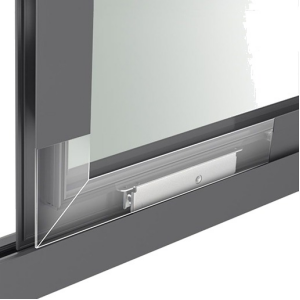
Rollers support the moving sash and allow it to travel along the track. Their load capacity, dimensions, and wheel design affect movement and compatibility with the frame.
A heavier glazed sash needs rollers rated for its actual load and designed for the selected track. Capacity alone does not establish compatibility because mounting dimensions and running geometry also need to match.
How Do Handles and Locking Components Work Together?
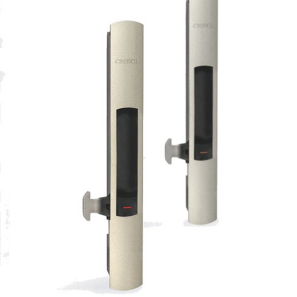
Handles provide the operating interface, while locking components secure the sash when the window closes. Their positions and dimensions should correspond with the sash and frame profiles.
A recessed pull handle can suit designs that call for a low-profile appearance. However, the handle still needs to fit its cutout and engage the compatible locking mechanism. A handle that fits the profile but cannot operate the lock correctly is not a complete solution.
Which Other Sliding Window Hardware Parts Might Be Needed?
Depending on the window design, sliding window hardware parts can also include lock keepers, drive components, mounting accessories, and other fittings required for the specified operation.
Before ordering, prepare a complete component list and confirm which items are included in the proposed kit. This helps align the supplier’s quotation with production drawings and installation requirements.
Which Profile Measurements Determine Hardware Compatibility?
Hardware compatibility depends on the profile’s dimensions, geometry, mounting positions, and the operating requirements of the finished window.
Which Sash and Frame Dimensions Should Be Checked First?
Start with sash width and height, then identify the frame profile, sash profile, and track dimensions. Compare these measurements with the manufacturer’s published application range and component drawings.
Overall sash dimensions provide an initial check, but they do not prove that a specific roller or handle will fit. Component-level measurements are also necessary.
How Do Profile Geometry and Roller Design Affect Compatibility?
Profile geometry determines how a roller fits into the sash and interacts with the track. Differences in available space, mounting arrangements, and track shape can make similar-looking rollers incompatible.
Manufacturers should compare the roller’s installation dimensions and running configuration with the selected profile. If the drawings do not establish compatibility, request clarification or test a sample assembly before ordering in bulk.
Why Do Handle Cutouts and Locking Positions Matter?
Handle cutouts determine whether the handle fits the sash, while the position of the lock keeper determines whether the locking mechanism can engage correctly.
Confirm both details against approved profile drawings before fabrication. Unplanned changes can create extra machining work and delay assembly.
How Should Rollers, Handles, and Locks Be Matched to Sash Requirements?
The correct hardware combination depends on sash weight, dimensions, profile compatibility, and operating requirements.
How Should Roller Capacity Match the Sash Weight?
Calculate the complete sash weight, including glazing and other elements carried by the sash. Compare that figure with the applicable hardware rating and confirm how the stated capacity applies to the selected roller arrangement.
The overall Solution’s maximum listed load-bearing capacity does not mean that every individual roller is rated for that weight. The specific model and configuration should be checked before selection.
How Do Sash Dimensions Affect Hardware Selection?
Sash width and height determine whether the proposed design falls within the hardware’s documented application range. Both measurements should be considered alongside weight and profile compatibility.
Two windows of similar size can have different loads because of their glazing and construction. Hardware selection should reflect the actual design rather than relying on dimensions as a substitute for a weight calculation.
When Should You Choose a Recessed Pull Handle?
A recessed pull handle is worth considering when a low-profile operating interface suits the design or when projecting hardware could interfere with the surrounding space.
The selected model should still match the cutout, mounting arrangement, and locking mechanism. Appearance is one consideration, but fit and reliable operation remain essential.
What Does CMECH Offer for Sliding Window Hardware?
CMECH’s Sliding Window Hardware Solution identifies the Bump Lock Recessed Pull Handle, the S Metro Handle, and rollers as its key elements.
What Are the Features of the Bump Lock Recessed Pull Handle?
The Bump Lock Recessed Pull Handle is suited to sliding sashes that call for a flush, space-saving operating interface. The product page lists the following features:
• Recessed, flush design that saves space and reduces handle projection
• One-touch locking for convenient sash operation
• Fast installation
• Anti-theft protection
Manufacturers should still confirm the cutout dimensions, mounting arrangement, and locking compatibility for the intended profile.
How Does the S Metro Handle Address Adjustment and Safety?
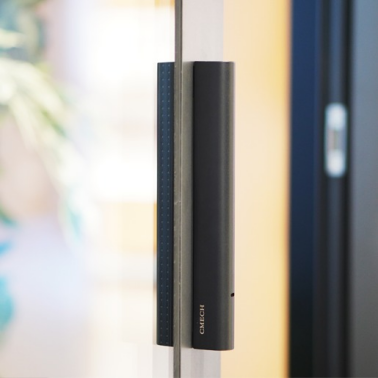
The S Metro Handle combines safety features with adjustment for profile tolerances. The product page lists the following:
• Built-in child safety lock
• A self-adjusting hook with a ±3 mm adjustment range, designed to compensate for profile tolerances and help prevent accidental opening
• Testing to 25,000 cycles
• German Red Dot Design Award
• Automatic and manual locking versions for different operating configurations
The appropriate choice depends on the window design and the required locking arrangement.
What Roller Capacities and Sash Dimensions Are Listed?
The sliding window hardware page lists roller load capacities ranging from 120 kg to 300 kg, depending on the selected configuration. Separately, the published application range for the overall Sliding Window Hardware Solution is:
| Specification | Published application range |
| Sash width | 500–1,600 mm |
| Sash height | 300–1,800 mm |
| Listed load-bearing limit | Up to 300 kg |
Within the published application range, the rollers offer the following features:
• Multi-layer bracket designed to distribute the sash load
• Capacities from 120 kg to 300 kg depending on configuration
• Rubber-coated wheels tested to 120,000 cycles according to the manufacturer
These figures describe the published Solution, not a universal specification for every component. Confirm the exact roller model, sash weight, profile dimensions, and configuration before placing an order.
How Can You Check Compatibility Before Ordering and Installation?
A pre-order check should compare approved drawings, component dimensions, load requirements, and installation conditions.
Which Drawings and Measurements Should Be Cross-Checked?
Review the window schedule, frame and sash profiles, track dimensions, hardware drawings, handle cutouts, and locking positions. Record the selected models and their applicable limits in the specification.
If any critical dimension is missing, confirm it with the supplier before ordering large quantities. This is especially important for custom profiles or assemblies combining components from different hardware solutions.
How Can a Sample Assembly Reveal Fitment Problems?
Assemble a representative sample using the intended profile and hardware. Check the sash movement, roller positioning, handle operation, and locking engagement under the proposed installation conditions.
Record any required adjustments and update the approved drawings before applying the specification to the full production run.
What Should Installers Test After Assembly?
Check for consistent sliding movement, abnormal resistance, unwanted noise, secure locking, and correct sash alignment. Confirm that components remain properly seated and that adjustments follow the manufacturer’s instructions.
Window performance also depends on elements beyond the hardware. The U.S. Department of Energy notes that sliding windows generally have higher air-leakage rates than hinged or projecting windows, while weatherstripping and seals influence performance. Proper sealing around the installed frame is another important part of the building envelope.
Conclusion: How Can You Match a Sliding Window Hardware Kit to the Profile?
Matching a sliding window hardware kit starts with the sash and profile requirements, not the appearance of individual components.
What Should You Confirm Before Placing an Order?
Use this checklist to review the proposed configuration:
- Dimensions: Verify sash size, track geometry, profile details, and mounting positions.
- Load: Match the selected roller configuration to the actual sash weight and documented capacity.
- Operation: Confirm handle fit, locking engagement, and the intended opening requirements.
- Installation: Check sample assemblies, adjustment needs, and sealing details before full production.
A coordinated specification reduces uncertainty in procurement, fabrication, and installation. The CMECH Sliding Window Hardware Solution publishes component and application details for evaluating proposed configurations. Final selection should match the exact hardware models and profile combination.


 English
 Arabic
 Chinese
 French
 Thai
 Vietnamese