
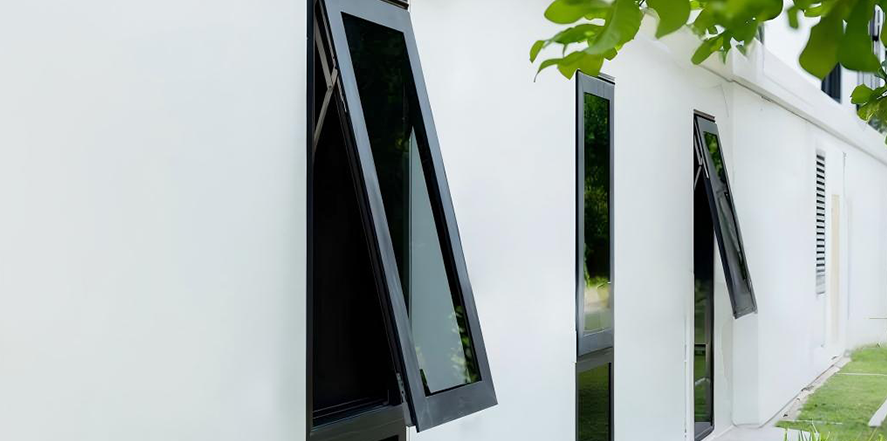


Awning windows open outward from the bottom and stay propped open at an angle, which lets air circulate even during light rain. Whether that motion stays smooth and secure over time comes down to the friction hinges, stays, and locking parts hidden inside the frame.
Choosing the right awning window hardware affects security, energy efficiency, and how smoothly the window opens and closes for years to come. This guide breaks down what to look for and how a trusted manufacturer can make the decision easier.
What Is Awning Window Hardware and How Does It Work
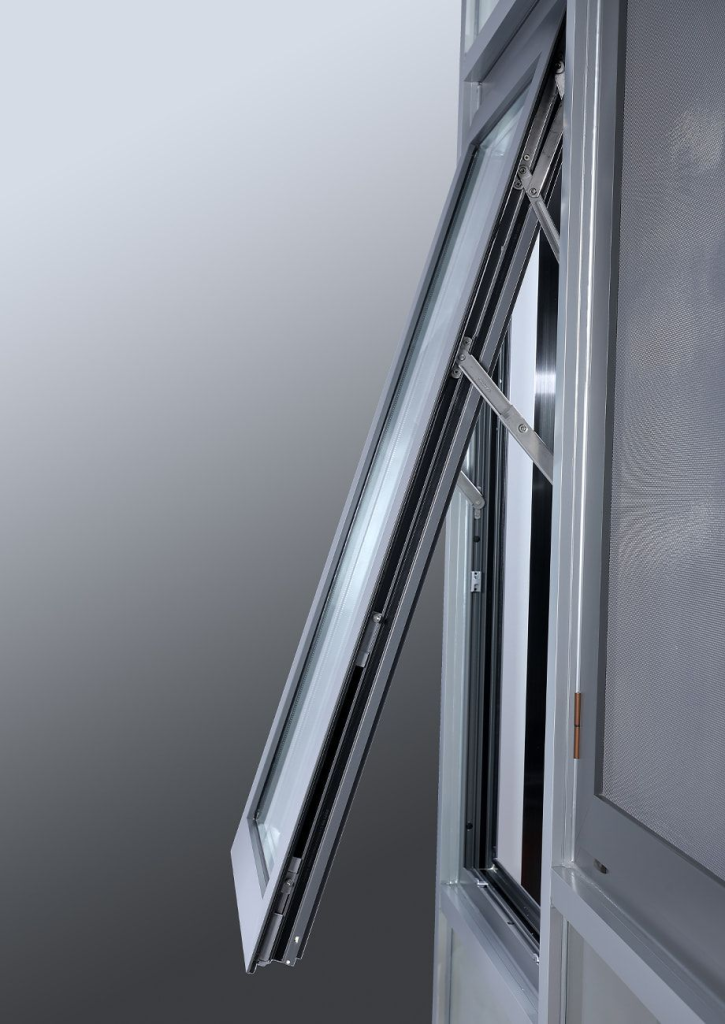
Awning windows are hinged at the top and open outward from the bottom, unlike casement windows that swing from the side. The hardware controls every part of that movement and seals the window once it is closed.
Selecting the right hardware for awning windows starts with understanding the core components and how each one contributes to performance.
Key Components to Know
- Friction hinges: Guide the sash along a fixed path and hold it open at the desired angle without sagging.
- Limiting stays: Control how far the window can open and lock it automatically to prevent slamming in strong wind.
- Multi-point locks: Secure the sash at several points along the frame rather than a single latch, improving both security and sealing.
- Handles and operators: Allow the user to open, close, and lock the window with one motion.
- Weatherstripping and seals: Fill the gap between sash and frame to block drafts, moisture, and dust.
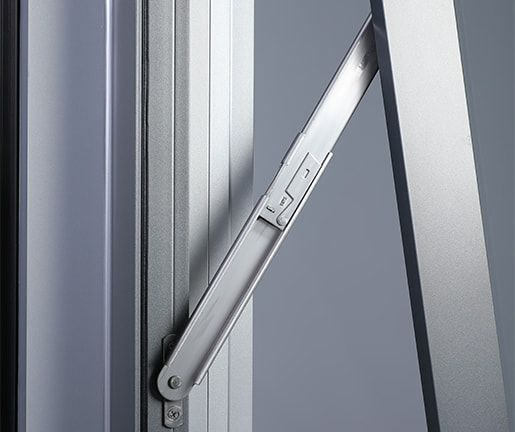
Why Hardware Quality Matters
Many homeowners focus on glass type or frame material when buying windows, yet the hardware is what determines daily performance. Poor quality components lead to sagging sashes, water leaks, and security risks over time.
Benefits of High-Quality Hardware
- Stronger resistance to wind pressure and accidental closure
- Tighter seals that reduce drafts and lower energy bills
- Smoother, quieter operation with less effort needed to open or close
- Longer service life with fewer repairs or replacements
- Better protection against forced entry through reinforced locking points
Factors to Consider When Choosing Awning Window Hardware
Not all hardware is built the same, so it helps to compare a few practical factors before making a purchase.
1. Material and Corrosion Resistance
Stainless steel components, particularly 304-grade steel, resist rust and hold up better in humid or coastal environments compared with standard alloys.
2. Compatibility With Window Size
Hardware should match the sash width, height, and load-bearing capacity of the window. Mismatched hardware is a common cause of premature wear.
3. Locking and Sealing Performance
A coordinated multi-point locking system improves water tightness, air tightness, and wind pressure resistance far more effectively than a single-point lock.
4. Tested Durability
Look for hardware that has been cycle-tested for repeated opening and closing, since this reflects real-world durability rather than just appearance.
5. Manufacturer Reputation
Working with an established supplier of awning window hardware helps ensure consistent quality, technical support, and parts availability over the long term.
Introducing CMECH
CMECH is a global manufacturer of window and door hardware systems with nearly 30 years of industry experience. The company supplies architects, designers, real estate developers, and window and door manufacturers worldwide, with hardware solutions that have been used in residential towers, hotels, and hospitals across multiple countries. CMECH is known for combining engineering precision with refined design, backed by in-house testing standards.
CMECH Outswing Awning Window Hardware Series
For buyers comparing options for hardware for awning windows, the CMECH Outswing Awning Window Hardware Series is built around three core components, each engineered for long-term reliability.
Limiting Stay
- Available in sizes from 8 inches to 20 inches to fit a wide range of window grooves
- Locks automatically when opened, providing strong wind resistance
- Made from premium 304 stainless steel for impact strength, preventing sudden closure in strong wind, protecting against damage and injury
Friction Hinge
- Constructed from 304 stainless steel in both C-groove and K-groove versions
- Reinforced with a 3.5 mm thick support arm and 8 mm solid rivets for an anti-loosening connection
- Built with a three-arm structure for superior stability
- Tested through more than 35,000 open-and-close cycles to confirm long-term durability
Multi-Point Lock
- Uses a coordinated locking structure to improve water tightness and air tightness
- Enhances wind pressure resistance across the full sash
- Features precision-engineered transmission components for smooth, consistent operation
This series supports sash widths and heights from 400 mm to 2,000 mm and a load-bearing capacity of up to 130 kg, making it suitable for both standard installations and curtain wall configurations.
Installation and Maintenance Tips
- Lubricate hinges and locking points periodically with a silicone-based spray
- Check for loose screws or rivets during routine inspections
- Keep tracks and seals clean of dust and debris
- Address stiffness or binding early to avoid further wear
Final Thoughts
A loose hinge, a worn limiting stay, or a single-point lock can undo even the best window frame within a few years. Buyers who prioritize tested materials, proper sizing, and dependable locking systems are far less likely to deal with leaks, drafts, or premature failures.
For projects that demand consistent performance, sourcing hardware for awning windows from an established supplier like CMECH offers a practical way to balance durability, security, and design across an entire building.
 English
 Arabic
 Chinese
 French
 Thai
Thai Vietnamese