
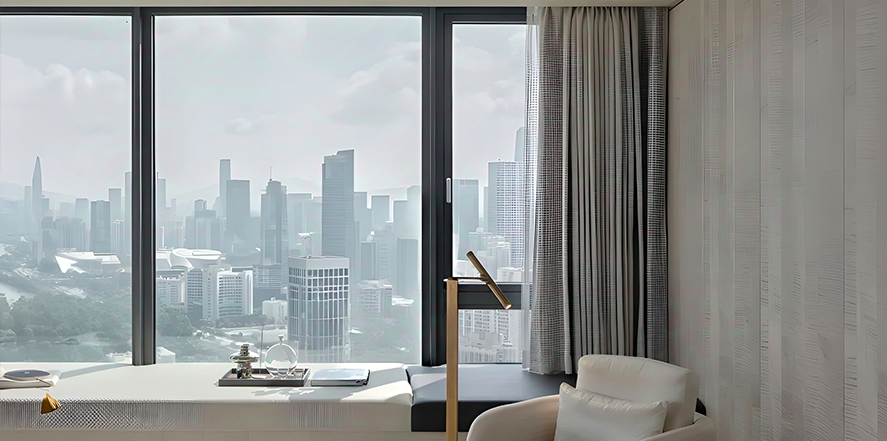


Casement windows depend entirely on their hardware to open, seal, and lock correctly year after year. Selecting durable casement window hardware protects against drafts, security risks, and costly repairs down the line. This guide breaks down the materials, components, and questions that matter most when comparing hardware options for a project, with CMECH used as a reference point for current engineering standards.
Why Hardware Durability Matters
Hardware quality affects far more than how smoothly a window opens.
- Security: Worn hinges or weak locks make a sash easier to force open
- Energy efficiency: A tight, properly sealed sash reduces drafts and lowers utility costs
- Lifespan: Hardware built from corrosion-resistant materials avoids premature failure
- Maintenance cost: Durable components reduce the frequency of repairs and replacements
Key Materials to Look For
The material behind a hinge, gearbox, or latch determines how well it holds up over time. Cheaper alloys may look similar to premium materials at first glance, but they tend to wear faster under repeated use and exposure to moisture.
Stainless Steel
Stainless steel resists rust and corrosion, making it a preferred choice for hinges, support arms, and load-bearing parts, particularly in humid or coastal regions. Grades such as 304 stainless steel are commonly specified for components that must carry significant weight over thousands of operating cycles.
Zinc Alloy
Precision-cast zinc alloy is commonly used for gearboxes and drive mechanisms because it combines strength with dimensional stability, helping parts hold their shape under repeated mechanical stress.
Aluminum
Aluminum is lightweight and naturally corrosion-resistant, though it is generally paired with steel components in higher-load applications for added strength.
Core Components That Determine Longevity
A casement window’s performance depends on several coordinated hardware parts.
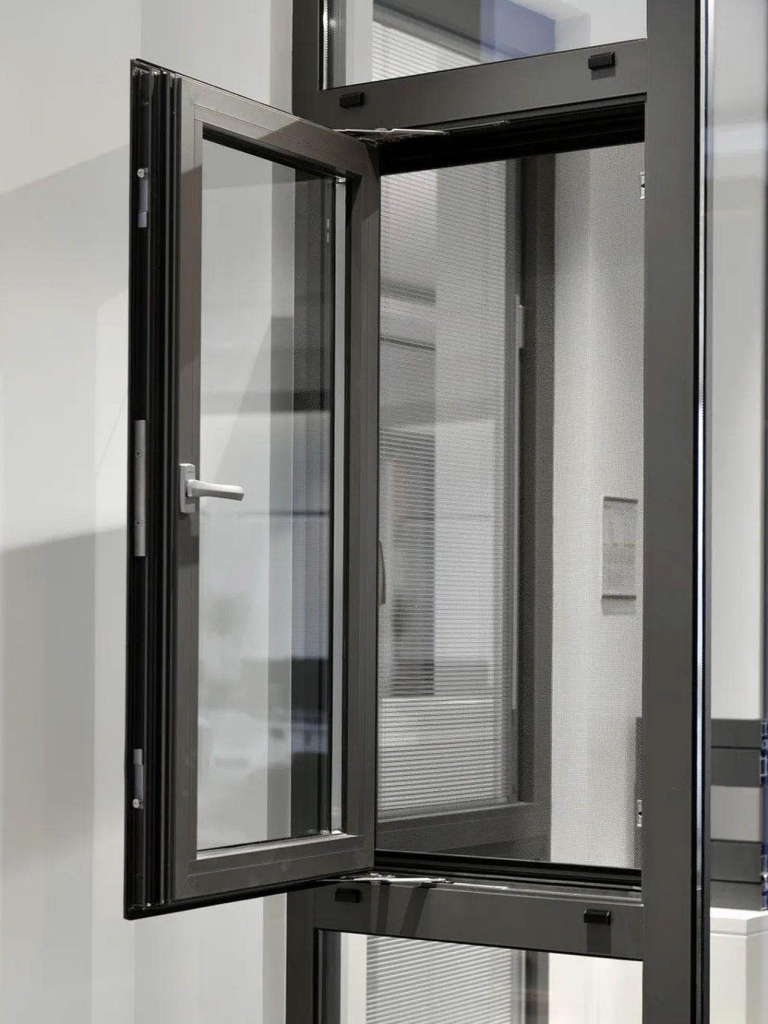
- Hinges: Support the sash weight and allow it to swing without sagging
- Operators and gearboxes: Convert handle motion into smooth, controlled sash movement
- Locking points: Multi-point systems secure the sash at several locations along the frame
- Latch hardware: Holds the sash firmly closed and resists prying or accidental release
Reliable casement window latch hardware is especially important, since it is the component most directly tied to both security and weather sealing.
Questions to Ask Before You Buy
Before selecting a hardware system, it helps to confirm a few details with the supplier.
- Has the hardware been cycle-tested, and for how many open-close cycles?
- What load capacity does the hinge or hanging hardware support?
- Are corrosion-resistant materials used in load-bearing parts?
- Is the hardware backed by a warranty, and for how long?
- Will the hardware fit the specific sash size and weight of the project?
Introducing CMECH
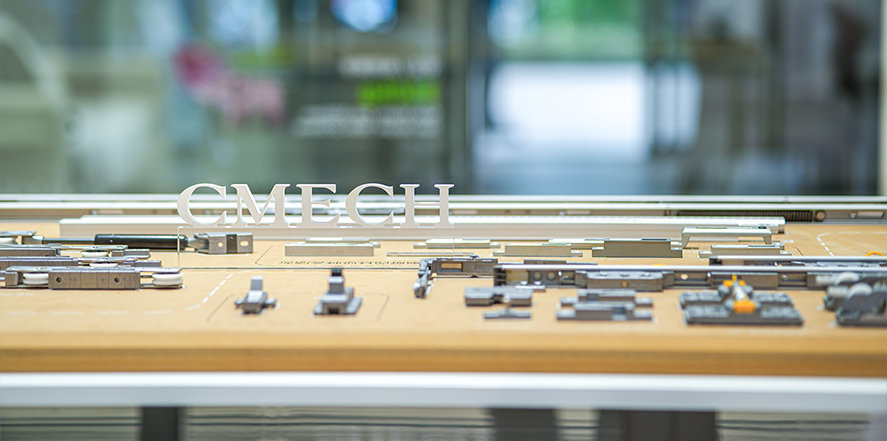
With nearly 30 years in the window and door hardware industry, CMECH builds its reputation on measurable durability, validating components through tens of thousands of open-and-close cycle tests before they reach the market. The company backs its hardware lines with extended warranty coverage and ongoing technical service for architects and fabricators worldwide.CMECH Outswing Casement Window Hardware Series
For buyers evaluating long-term performance, the CMECH Outswing Casement Window Hardware Series illustrates how individual components can be engineered for durability, backed by a 10-year warranty.
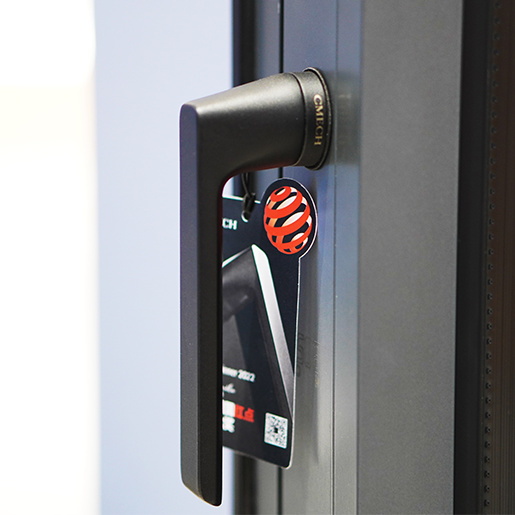
Handle
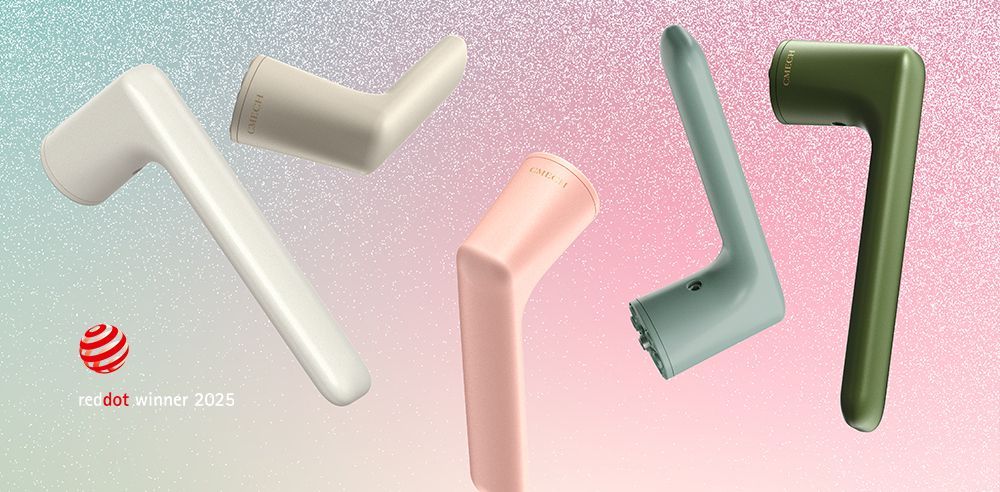
- Available in the base-free Milan style or the Venice style, both honored with the Red Dot and iF Design Awards
- Core structure made from one-piece molded stainless steel, offering greater wear resistance than traditional zinc alloy
- Built with a rolling spring-loaded steel ball mechanism and a triangular fixation structure for smooth, long-term stability
Bi-Directional Spindle Drive Gearbox
- Tested through 30,000 open-and-close cycles for decades of dependable use
- Precision-cast from high-grade zinc alloy as a single unit for added strength
- Includes an anti-drift mechanism with up to 12.5 mm of adjustment for precise positioning
Friction Hinge (C-Groove)
- Made from 304 stainless steel with a thickened 4 mm load-bearing arm, supporting up to 60 kg
- Features a triple safety linkage and a wind-resistant stop capable of withstanding 1,000 N of force, equivalent to Grade 9 strong winds
- Passed more than 30,000 repeated operation tests
This casement window hardware system supports sash widths from 300 mm to 750 mm and sash heights from 300 mm to 1,800 mm, with a load-bearing capacity of up to 70 kg.
Maintenance Tips for Long-Term Performance
Even well-engineered hardware needs basic upkeep to reach its full service life.
- Lubricate hinges and gearboxes periodically with a silicone-based spray
- Check locking points and latches for wear during routine inspections
- Keep tracks and seals free of dust and debris
- Address sticking or binding early to prevent stress on the sash and frame
- Avoid forcing a stuck handle, since this can damage the gearbox or drive mechanism over time
Final Thoughts
Choosing a proven brand like CMECH allows project teams to specify hardware systems that combine verified durability with refined engineering detail. By aligning material quality, load performance, and long-term reliability within a single platform, CMECH supports more predictable window performance and reduced lifecycle risk across a wide range of building applications.
 English
 Arabic
 Chinese
 French
 Thai
Thai Vietnamese