



Patio doors are important architectural elements in residential developments, connecting interior spaces with balconies, gardens, terraces, and outdoor living areas. For developers, however, selecting the right hardware involves much more than choosing an attractive handle. Hardware must support door weight, smooth operation, security, corrosion resistance, and long-term durability. We believe a structured procurement process helps project teams select patio door hardware that matches both technical requirements and the expectations of modern occupants.
Start With the Door Configuration
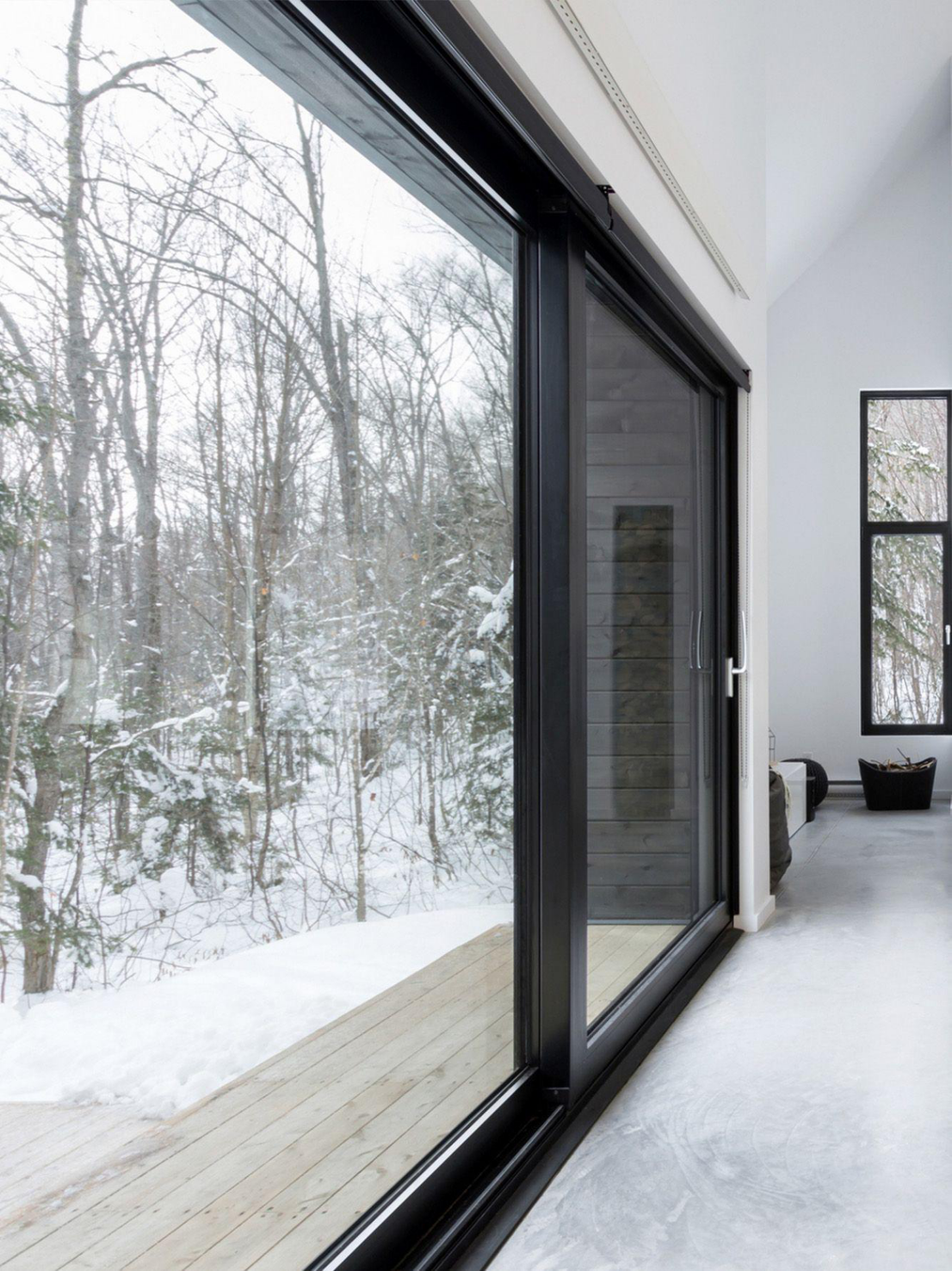
The first procurement step is identifying exactly how the patio door will be used. Sliding and gliding doors can differ significantly in sash dimensions, weight, profile thickness, opening frequency, and installation conditions.
Project teams should establish these parameters before comparing hardware suppliers. The selected system needs to be compatible with the door profile and provide appropriate adjustment for installation tolerances.
Our Sliding Door Hardware Solution is designed for smooth and quiet operation and offers flexible configuration options for different door types. The system also provides easy installation and height adjustability, helping installers achieve accurate door positioning during project completion.
Evaluate Hardware by Load Capacity
Door weight is one of the most important specifications when selecting sliding door hardware. If rollers are underspecified, the door may become difficult to operate, develop excessive wear, or lose alignment over time.
Our Sliding Door Roller uses a premium 304 stainless-steel bracket for corrosion resistance and long-term durability. Its triple-layer adjustable bracket is designed to distribute weight evenly, while different roller configurations are available for different applications.
The maximum load capacity reaches 300 kg. The rubber-coated roller structure has also undergone 120,000 test cycles with minimal wear, supporting smooth and quieter operation during repeated use.
For developers, these figures provide a useful starting point for procurement. However, the actual door weight and complete system configuration should always be checked before selecting the appropriate roller.
Security Should Be Part of the Specification
Patio doors can create direct access between indoor and outdoor spaces, making security a central consideration. Developers should evaluate locking structure, resistance to impact and prying, number of locking points, and the relationship between the lock and door profile.
Our Recessed Handle + T-Drive incorporates a patented ball-bearing locking mechanism designed to enhance resistance to prying and impact. Its locking structure withstands forces exceeding 100N and has passed a 30,000-cycle durability test.
The recessed design also helps maintain a clean door surface. For contemporary residential developments, this can provide a useful combination of security and minimalist appearance without adding a visually prominent external locking component.
Consider Handle Strength and Door Thickness
Handles are frequently touched components, so their structural stability affects the user’s perception of quality. A handle that becomes loose or unstable can create complaints even when the rest of the door system remains functional.
The Milan Handle is precision-crafted from high-strength aluminum alloy using a seamless one-piece molding process. Its single screw is designed to withstand 2,000N of force, supporting firm fixation and minimizing wobble.
The handle is suitable for gliding doors with a thickness of 37 mm and above. This specification should be checked against the selected door construction before procurement to avoid compatibility problems during installation.
Cycle Testing Provides Useful Evidence
Developers should avoid evaluating hardware solely on appearance or initial operating feel. Patio doors in residential projects may be opened and closed many times each day, so durability testing can provide valuable evidence when comparing systems.
Our Metro Handle + Drive Gear combines the handle and lock into one integrated unit. It uses a linear ball-bearing mechanism and has a tested lifespan beyond 100,000 cycles. Its 30 mm profile also makes it suitable for doors with screen sashes.
The Recessed Handle + T-Drive has passed 30,000 cycles, while the sliding door rollers have passed 120,000 test cycles. These results provide measurable reference points for procurement teams assessing expected repeated operation.
Material Selection Matters for Patio Applications
Patio doors can be exposed to humidity, temperature changes, and outdoor environmental conditions. Hardware material should therefore be considered alongside the project’s location and expected exposure.
The use of 304 stainless steel in the roller bracket provides corrosion resistance for a component exposed to demanding operating conditions. The recessed handle is manufactured from M-processed high-quality aluminum alloy, providing corrosion resistance and long-term structural stability without deformation.
Building a Practical Procurement Checklist
When selecting patio door hardware, we recommend that developers verify door thickness, sash weight, roller capacity, locking requirements, material, corrosion resistance, cycle testing, handle fixation, adjustment range, and compatibility with the selected profile.
It is also important to distinguish between individual component specifications and complete-system performance. A high-capacity roller cannot compensate for an unsuitable frame or inadequate installation, while a strong lock cannot resolve poor door alignment.
Making the Final Hardware Decision
A successful patio door hardware specification should balance security, durability, smooth operation, installation efficiency, and architectural appearance. Door Hardware Solution provides options including high-strength aluminum handles, integrated handle-and-drive systems, recessed multi-point locking, and stainless-steel rollers with load capacities up to 300 kg.
CMECH believes that effective procurement starts with matching every component to its intended mechanical role. By reviewing load capacity, cycle testing, materials, security performance, compatibility, and adjustment requirements together, developers can select sliding door hardware that supports reliable operation throughout the project’s service life while delivering the refined experience expected from modern residential spaces.

 English
 Arabic
 Chinese
 French
 Thai
 Vietnamese