
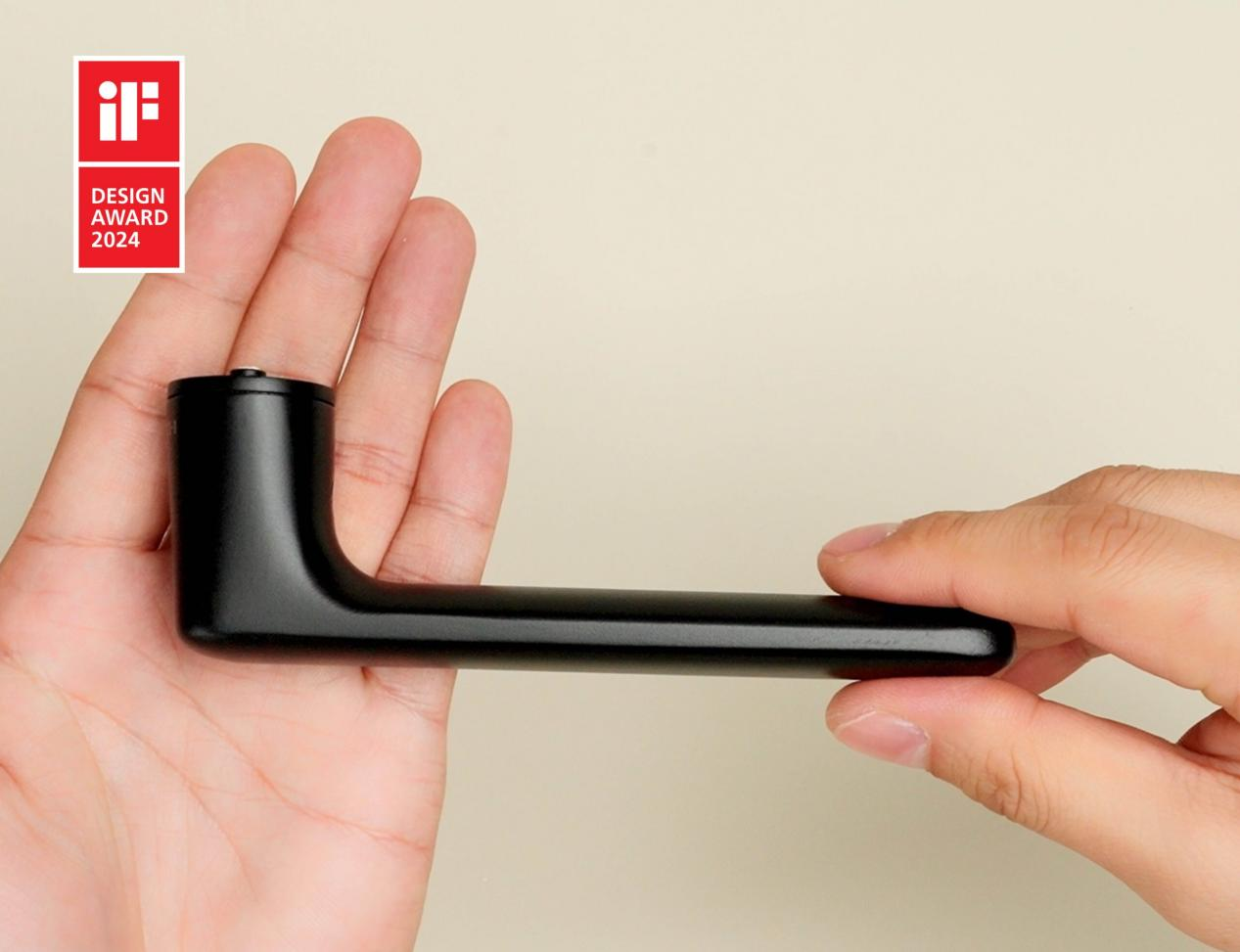


The handle fits the machining, the finish matches the sample, and the screws tighten neatly. Yet the locking points stop short of their keepers. That is the difference between a component that mounts and an assembly that works.
To confirm window handle and lock compatibility, identify the opening type, match the handle’s drive and mounting dimensions to the specified gearbox or lock, check that the locking points meet their keepers, and operate a representative assembly before approving it for production.
That approach makes window hardware compatibility a functional check, with appearance considered alongside it.
Quick decision guide
- Define the opening type and the intended handle movement and locking sequence.
- Choose a documented handle, drive, and lock combination that fits the window profile.
- Xác minh dimensions, clearances, locking-point engagement, and the full operating cycle on a representative assembly before approving the window handle specification.
Identify what the handle actually operates
Start with the movement the handle is meant to produce. On a spindle-driven arrangement, the window handle locking mechanism transfers rotation through a gearbox and linkage to the locking points. On a sliding arrangement, a recessed pull or handle may engage a hook or latch through a different interface. A handle that fits the opening in the profile is not necessarily matched to the intended lock.
CMECH’s guide to window handle types identifies spindle-driven and recessed sliding-handle arrangements. The connection and function matter before the finish or visible shape.
| Handle arrangement | Main function | Compatibility focus |
| Spindle-driven turn handle | Transfers rotation into a drive gearbox and linkage. | Spindle shape, engagement, mounting, and gearbox movement. |
| Tilt-and-turn control handle | Selects the hardware’s permitted operating modes. | Intended sequence, drive interface, stops, and interlocks. |
| Sliding recessed pull or locking handle | Engages the specified hook, latch, or other locking arrangement. | Handle-to-lock interface, keeper position, clearances, and closing action. |
The term window handle locking mechanism needs this distinction. It can refer to the key lock within the handle or to the linkage that secures the sash. A key that blocks handle rotation does not demonstrate engagement at every locking point.
For a project specification, identify whether the handle operates the sash, drives locking points, or both. That functional description makes the next interface checks meaningful.
Which measurements determine window handle and lock compatibility?
The dimensional review begins at the handle-to-drive connection. Record the shaft’s shape and section separately from its projecting length. A length measurement alone does not identify whether the receiving connection is square, hexagonal, splined, or another format.
For spindle-driven handles, establish the engagement depth required by the specified gearbox and the space available behind the mounting face. For sliding handles, document the intended hook or latch and matching keeper. Insufficient spindle engagement can prevent reliable drive; excessive projection can stop the handle seating correctly.
A useful window handle specification identifies the following fields without treating one familiar dimension as a universal rule:
| Interface | Record in the specification | Question it resolves |
| Drive connection | Shape, section, projection, receiving depth, and part number. | Will the handle engage the intended drive correctly? |
| Mounting | Hole centers, fixing count, fasteners, base footprint, and recess. | Can the handle seat and attach as designed? |
| Gearbox position | Drawing-defined center distance or backset, housing envelope, and groove. | Does the drive align within the profile? |
| Operating movement | Rotation direction, angular positions, linkage travel, and stops. | Will the mechanism complete its intended sequence? |
| Lock engagement | Locking-point and keeper geometry, positions, and adjustment. | Will every required point engage correctly? |
| User clearance | Lever sweep, grip space, screen, reveal, and adjacent sash. | Can the installed handle be used throughout its travel? |
Keep dimensions attached to their reference faces. Gearbox center distance, handle screw spacing, and spindle projection describe different relationships. Confusing them can undermine window hardware compatibility even when every number on the purchase order looks familiar.
Follow the movement from gearbox to keeper
A complete window handle locking mechanism must carry the user’s input through to the intended locking position. Mounting the handle successfully only establishes the first part of that path.
For window handle and gearbox compatibility, check how the gearbox moves the linkage, where the locking points finish, and how they meet the keepers. Include handing and the viewing direction used to describe it; “left” is ambiguous if different drawings use different viewpoints. For a sliding lock, trace the handle-to-hook movement and confirm engagement with its keeper.
A useful mockup review follows the whole sequence. Does the handle reach its intended position? Do all required locking points engage? Does unlocking release them fully? Does the sash close without an installer lifting or forcing it into alignment?
Those checks make window hardware compatibility observable. They also expose a common sourcing risk: two gearboxes can fit a similar space while producing different movement or requiring different locking components.
Seal contact belongs in this review too. FGIA’s air-infiltration guidance identifies proper closing, locking, installation, and intact weatherstripping as relevant to leakage control. Tightening a handle cannot correct every sash, hinge, or gasket problem.
What CMECH configurations show in practice
CMECH’s Master Series outswing casement configuration with an inside fly screen offers Milan or Venice handles with a spindle-drive gearbox. Its listed gearbox center distances range across seven options, from 11 to 35 mm. The window handle specification should identify the selected gearbox, its fit within the profile, and the required handle drive connection. Gearbox center distance and handle screw spacing are separate dimensions.
CMECH’s Sliding Window Hardware Solution offers a recessed pull and an S Metro locking handle. The S Metro is available in automatic or manual locking versions and features a self-adjusting hook. For window handle and lock compatibility, check the selected locking action and the hook’s engagement with its keeper.
CMECH’s concealed tilt-and-turn configuration offers Milan or Venice Series handles with a drive gearbox. Confirm window handle and gearbox compatibility for the selected parts, then check the required handle positions and operating sequence on the assembled window.
These examples illustrate different compatibility checks: gearbox-to-profile fit, hook-to-keeper engagement, and handle-to-gearbox operation. The selected combination should be confirmed against CMECH’s applicable drawings and product information.
Separate compatibility evidence from performance claims
Drawings establish how components fit and move; test evidence establishes the performance assessed under stated conditions. A satisfactory window handle locking mechanism needs both types of evidence where the project requires them.
Request the approved component drawings and written confirmation of the proposed handle, gearbox, locking points, and keeper pairing. For durability, ask what cycle or functional test evidence is available for the selected components, including the test conditions and results. A published cycle figure applies to the identified component and test, not every handle-and-lock combination.
Where the project specifies forced-entry resistance, ask for complete-window security evidence applicable to the proposed assembly, including confirmation that any differences from the tested configuration are covered by the assessment. Where fall prevention or an emergency-release function is required, ask for the relevant device and assembly information. These are separate questions from handle fit and operation; the project specification determines the required assessment and acceptance criteria.
Ask CMECH which drawings, test reports, or certificates are available for the selected hardware and whether further testing is needed for the project’s market and finished-window configuration. Avoid treating a component test or product description as certification of the complete assembly.
Make the production sample part of approval
Before ordering a production batch, assemble the proposed handle, drive, and lock with the actual profile, glazing, gaskets, hinges, and screen where fitted. This production sample is where window handle and gearbox compatibility becomes observable. Use the supplier’s commissioning procedure and retain the intended interlocks throughout the review.
Operate a representative window through its complete opening, closing, and locking sequence. Check that the handle clears the frame, each locking point engages its keeper, and the sash closes without excessive force. Follow the product’s installation and operating instructions when investigating any resistance or incomplete engagement.
Record the approved part numbers, drawing revisions, fixing details, adjustments, and inspection outcomes. A complete window handle specification should identify the assembly that was accepted, making later substitutions easier to assess.
Câu hỏi thường gặp
Can universal window handles fit multiple brands?
Some replacement ranges serve several applications, but “universal” does not establish window handle and lock compatibility. The drive interface, engagement, fixing pattern, movement, and clearances still need to match the proposed assembly. Obtain confirmation for the specific parts.
How does a window handle connect to its locking gearbox?
A spindle-driven handle must fit the gearbox input and engage at the intended depth; the gearbox must then move the correct linkage through its full travel. Window handle and gearbox compatibility depends on the specified interface and operating sequence, not the handle’s appearance alone. A sliding hook handle requires a separate check against its matching keeper.
What should I consider when choosing a locking mechanism for uPVC windows?
Start with the opening type and the actual uPVC profile drawings. Check the space available for the gearbox and lock, the profile’s fixing provisions and any reinforcement requirements, and the approved handle, drive, locking-point, and keeper combination. Confirm the required operating and performance evidence for that assembly, including any specified escape or fall-prevention function. Window hardware compatibility cannot be established from the frame material alone.
Why does the handle turn without moving the locking points?
Possible causes include inadequate spindle engagement, a damaged drive connection, gearbox failure, or a disconnected linkage. The window handle locking mechanism needs diagnosis before a replacement handle is selected. Free rotation alone does not identify the failed component.
Is matching screw spacing enough?
No. Matching holes only establishes part of the mounting geometry. Check drive shape and engagement, gearbox position and travel, handing, keeper engagement, and the handle’s full sweep. A fitted handle must complete the intended locking and release sequence.
Resolve the handle and lock combination with CMECH
Bring window handle and lock compatibility into the project before machining and procurement are finalized. Contact CMECH with the profile sections, opening type, sash dimensions, preferred handle design, and target performance requirements.
Ask CMECH to confirm window handle and gearbox compatibility for the proposed parts and identify the available drawings and test evidence. Record the approved combination in the window handle specification, making window hardware compatibility part of the production and inspection record.
Editorial notes
For client review only. The publishable article ends with the CMECH call to action on the preceding page.
Research scope and supplied inputs
Research reviewed October 19 2026. Target market is the United States, with international technical sources used where relevant. Five relevant competing pages per topic were reviewed. The supplied AI excerpts did not include source URLs or capture dates, so this review does not establish which pages those answers cited. Search retrieval was not a localized Google US top-five ranking audit.
The uploaded CSV contains 1,000 topic clusters with counts and volume fields, rather than the individual prompts. Universal-handle and uPVC selection questions come from the supplied AI material. The crank distinction appeared in a broad retail-oriented answer, but the revised article prioritizes CMECH-relevant drive and locking interfaces for fabricators and specifiers; the measurement and fault-diagnosis questions follow the approved brief.
| Relevant export cluster | Prompts | Volume | Editorial use |
| Window Handles and Crank Handles | 37 | 1,986 | Broad handle intent; filter out replacement crank shopping |
| UPVC Window Handles and Locks | 17 | 433 | Use mechanism selection and compatibility questions |
| Window Hardware and Replacement Parts | 69 | 4,924 | Use interchangeability and diagnosis subtopics |
| Awning Window Hardware and Handles | 15 | 298 | Supporting operating-type context |
“Volume” and “Prompts” reproduce the export fields. Volume is a topic-cluster metric, not verified search demand for the exact target keyword or a forecast of traffic.
Selected prompt coverage
| Prompt group | Where the article answers it |
| Scheduled primary prompt | Opening checklist and production approval section |
| Universal handles | Universal-fit FAQ |
| uPVC mechanism selection | uPVC FAQ and geometry table |
| Handle-to-gearbox connection | Arrangement table and gearbox FAQ |
| Measurements and free-turning handle | Interface table and diagnosis FAQ |
Excluded: retail price comparisons, replacement-shopping recommendations, rotary crank operators, unverified product interchangeability, and named certification claims. The uPVC question is answered through profile and mechanism fit without implying that a frame material alone determines compatibility.
Research findings and publication checks
What the competing pages contributed
- A handle manufacturer supplies spindle illustrations and a purchase checklist. The draft extends that dimensional approach to the receiving gearbox and the full operating sequence.
- A trade parts retailer separates handle measurements from lock-strip measurements. The draft adds profile reference points, movement, and production acceptance.
- A hardware manufacturer supports a universal-handle claim with defined spindle variants and FAQs. The draft explains why a defined range of fit does not establish unrestricted interchangeability.
- A fabricator-focused handle manufacturer leads with functional differences and selection criteria. The draft narrows the comparison to window operators and locking arrangements.
- A window manufacturer provides an assembly record, keeper checks, and safety limitations. The draft applies those principles to specification and substantiates the CMECH examples with current product information.
How the draft improves answer usefulness
The draft adds a definition of compatibility, a handle-function table covering spindle-driven, tilt-and-turn, and sliding arrangements, a six-interface specification matrix, and CMECH product examples for distinct drive and locking interfaces. FAQs give direct answers to the selected prompts. This creates clearer passages for retrieval and attribution without claiming a guaranteed citation.
Fit with existing CMECH content
CMECH already publishes a broad guide to window handle types. This article links to that guide and owns the narrower compatibility and pre-production specification question. Spindle measurement is included as one interface rather than expanded into a second standalone spindle-length guide.
Claims reserved for client confirmation
Client confirmation required for any approved cross-range handle/gearbox interchangeability matrix, profile-specific part pairing, operating travel, or named test certification. None is invented in the article. CMECH publishes a 30,000-cycle gearbox test for its Master Series and specifies a recessed pull and S Metro hook handle for its sliding solution; request the exact relevant reports and pairing details before asserting a project-specific performance result.
The supplied AI answers mix spindle length, shaft size, and fixing centers. The draft avoids treating 3/8-inch splines as universal or treating 43 mm as equivalent to 1.5 inches. It distinguishes handle-to-gearbox pairing from sliding hook-and-keeper pairing, and component cycle testing from complete-window performance.
Keyword and link check
Every supplied target phrase appears exactly five times in the publishable article and every occurrence is bold. Counts exclude the content brief and these notes. The scheduled article title is preserved. Links use clean URLs to current CMECH pages and relevant independent sources; competing brands and links are excluded.
Publishing check
Keep the title, answer passages, tables, FAQs, and internal links as readable page content. Publish only the article, not this brief or the editorial notes. Use the real publication date and genuine author details in the CMS. Check indexing and the existing BlogPosting markup without adding fabricated review scores, certifications, or test results.


 English
 Arabic
 Chinese
 French
 Thai
 Vietnamese