
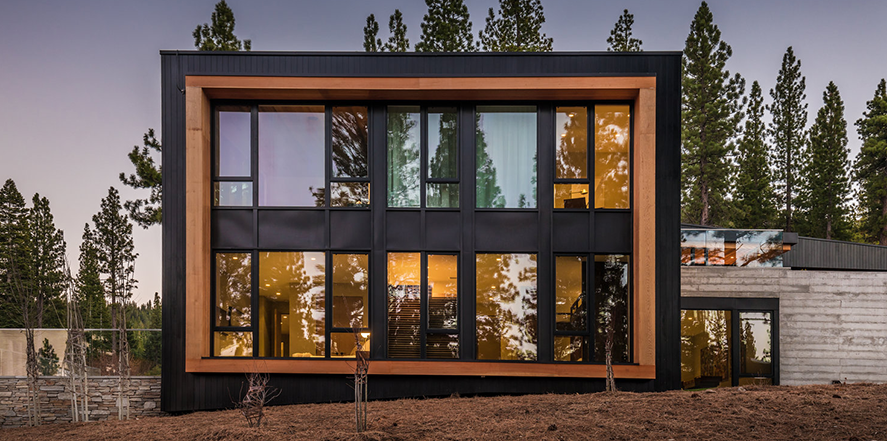


Maintenance budgets for windows rarely come from one major repair. More often, they grow through repeated adjustment, loose fittings, corrosion, sash movement, service visits, and part replacement. For developers and project teams, these small issues become more expensive when they appear across many units in the same building.
We view phụ kiện cửa sổ lật as part of a complete operating system. A coordinated system affects installation consistency, future servicing, spare-part planning, and how often maintenance teams need to return to the same window.
System Compatibility Shapes Future Service Needs
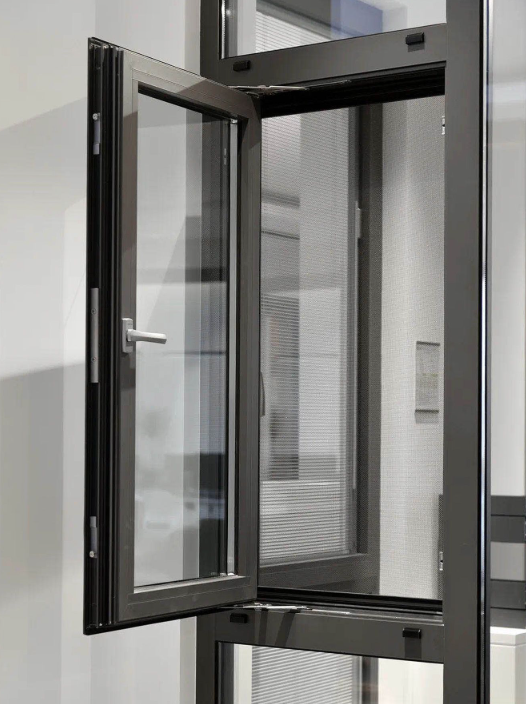
A casement window depends on hinges, handles, locking points, transmission parts, and load-bearing components working together. If these parts are selected separately, differences in dimensions, movement, or load capacity may create adjustment problems during installation.
Those problems can continue after handover. A sash that needs repeated realignment adds labor, access time, and disruption for occupants. In larger developments, the same issue can appear across many windows, which increases routine service costs.
From our perspective, a systems-driven specification gives project teams a clearer way to match hardware with sash weight, profile structure, opening direction, and expected use. It also gives maintenance teams a defined component relationship when inspection or replacement is required.
Certification Adds a Clearer Basis for Evaluation
Certification does not remove maintenance needs. It gives developers, designers, and window brands a structured basis for reviewing how a hardware system has been tested. This is useful when a project needs documented information for durability, load, corrosion resistance, or operating performance.
This matters in the Middle East and Southeast Asia, where heat, humidity, coastal air, and frequent ventilation can affect hardware differently. Selecting casement windows hardware only by appearance or initial price may ignore conditions that influence service life and maintenance planning.
At CMECH, we support this evaluation with product testing, surface-treatment development, and ift certification information for applicable systems. Our 70,000㎡ R&D and production base and 15 categories of specialized testing support hardware review before products enter project applications.
Installation Consistency Can Reduce Repeat Adjustments
Maintenance costs often begin with variation during fabrication or installation. If components are mixed from different sources, installers may need extra adjustments to reach the required fit, movement, or locking response.
A coordinated system can make assembly easier to repeat. Fabricators work with parts designed to function together, while installers have a clearer reference for positioning and adjustment. This can reduce site corrections caused by mismatched hardware.
For asset owners, consistent installation also simplifies later inspections. When similar windows use the same system logic, maintenance teams can identify whether a problem comes from adjustment, wear, installation, or a damaged part.
Design Choices Should Support Service Access
Appearance remains important in residential and commercial projects. Our product development places attention on concealed hardware and base-free handle options because these elements create a cleaner visual line and reduce the amount of visible hardware around the sash.
However, design should still be reviewed together with servicing needs. Concealed components must remain accessible for inspection and adjustment. Project teams should confirm how technicians can reach key parts and whether the hardware arrangement suits the expected maintenance process.
Surface treatment also deserves early attention. Finish requirements should match the project environment, especially where humidity, salt exposure, or frequent handling is expected. A suitable finish can help reduce premature surface degradation and avoid replacement driven mainly by visible wear.
A Systems-Based Outswing Casement Solution
Our OUTSWING CASEMENT WINDOW HARDWARE SOLUTION brings handles, locking parts, transmission elements, load-bearing components, and related accessories into one coordinated framework. The system is developed for security, stable operation, and long-term project use, while also supporting a cleaner architectural appearance.
The value of this approach is practical. A distributor or window brand can work from one system relationship rather than matching unrelated parts after procurement. For developers and contractors, that can make installation planning, technical communication, and future part identification more straightforward.
When specifying casement window hardware, project teams should review sash dimensions, sash weight, profile compatibility, opening frequency, exposure conditions, and maintenance access. A certified system works well when it is matched to the actual window design and operating environment.
Procurement Decisions Affect Lifecycle Spending
The purchase price of hardware is only one part of lifecycle cost. Developers also need to consider technician time, repeat visits, access equipment, replacement parts, installation correction, and disruption when occupied rooms need service.
Stable delivery also matters. If projects receive mixed hardware versions or need late substitutions, installers may face additional fitting work. Maintenance teams can also struggle later if spare parts do not match the original installation.
Since the 1990s, CMECH has developed experience in hardware design and manufacturing while working with distributors and project partners to connect system selection, production, testing, and delivery. For casement windows hardware, this approach supports clearer planning from specification through later servicing without turning maintenance into a reactive process.
Lower Maintenance Costs Begin Before Installation
A lower maintenance budget starts before the first window is installed. It begins with a clear specification that covers system compatibility, certification needs, finish selection, installation method, and future service access.
When those decisions are made early, maintenance becomes easier to plan and less dependent on repeated correction. For developers, engineering teams, and window brands, a systems-driven approach can reduce avoidable service work and make long-term asset spending more predictable.

 English
 Arabic
 Chinese
 French
 Thai
 Vietnamese