
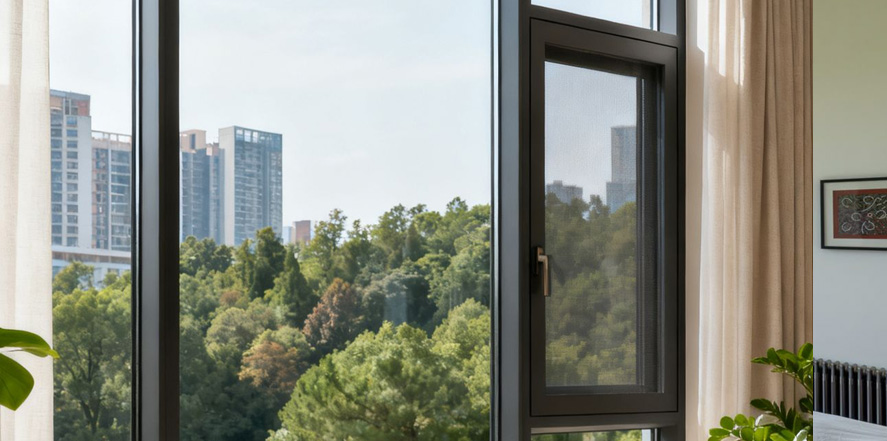


Modern building projects increasingly require window systems that provide a balance of aesthetics, functionality, security, and long-term durability. While standard sliding profiles remain a common choice for many applications, architects and manufacturers are exploring advanced alternatives that offer improved ventilation control, stronger sealing performance, and more flexible operation. Comparing different window structures helps professionals select solutions that better align with evolving architectural demands.
At CMECH, we develop high-end door and window hardware solution solutions designed for global markets. As a global door and window hardware solutions provider, we focus on combining innovative engineering, minimalist aesthetics, and reliable performance. Our Cửa sổ xoay và lật solutions are designed to support modern architectural requirements by integrating advanced hardware technology with refined design concepts.
Understanding the Structural Differences Between Tilt and Turn Windows and Sliding Profiles
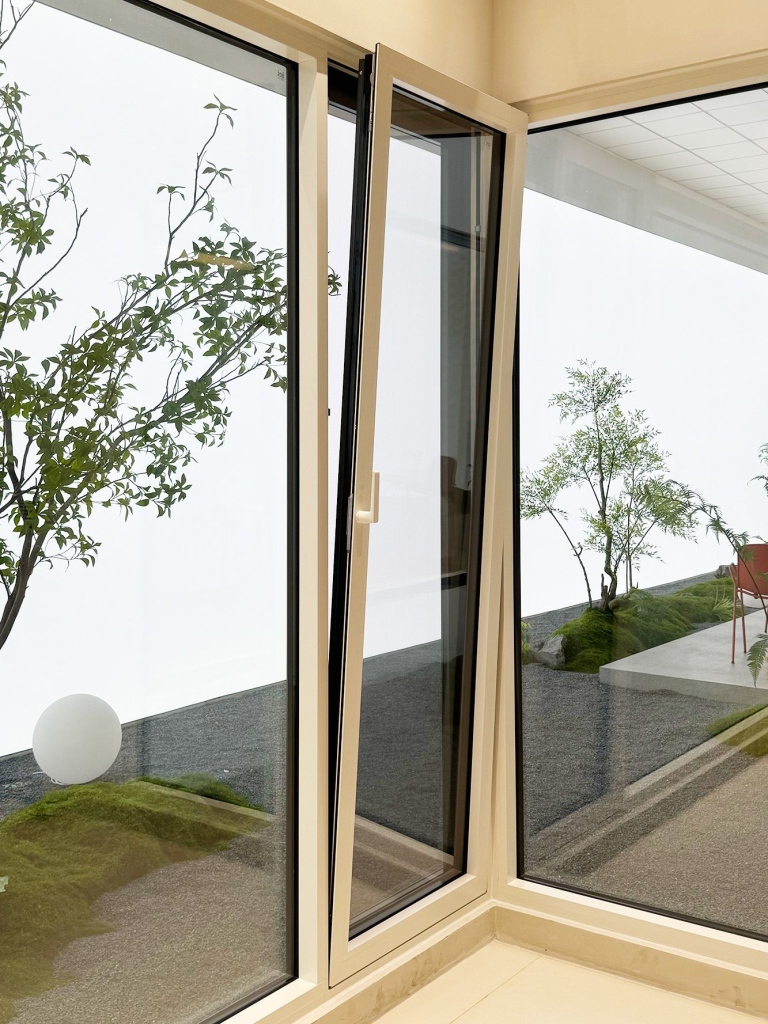
A tilt and turn window uses a dual-function opening mechanism that allows the sash to tilt inward from the top for ventilation or turn inward from the side for full access. This flexible operation creates advantages in airflow management, cleaning convenience, and overall usability.
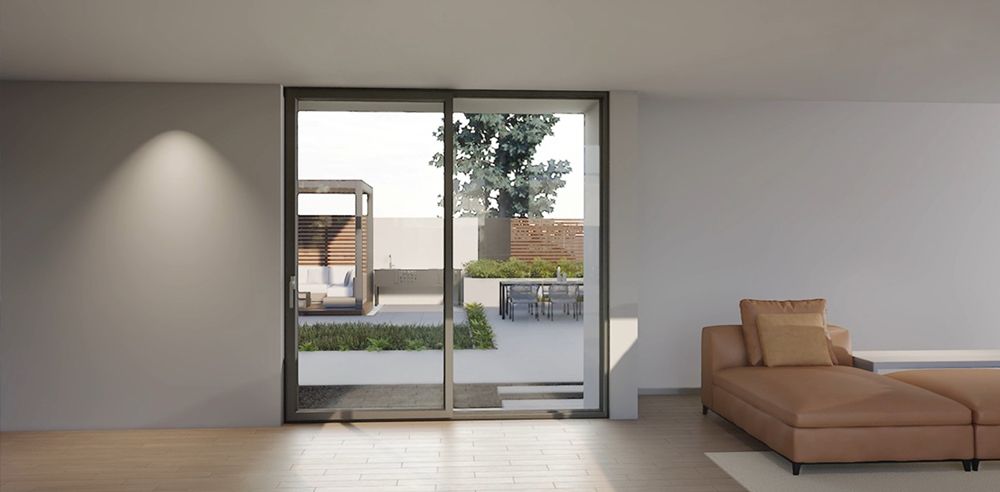
Standard sliding profiles operate through horizontal movement along tracks. Their simple structure makes them suitable for various applications, especially where space efficiency is important. However, the sliding mechanism creates different performance characteristics compared with hinged systems.
When evaluating window solutions, professionals must consider factors such as sealing capability, hardware durability, ventilation options, and user requirements. Tilt and turn windows provide a versatile approach by combining multiple functions within a single system, making them increasingly popular in residential, commercial, and high-end architectural projects.
At CMECH, we believe window performance depends on the integration of every component. From hardware mechanisms to surface finishes, each detail contributes to the final user experience and structural reliability.
Tilt and Turn Windows Deliver Flexible Ventilation and Enhanced Performance
One of the major advantages of tilt and turn windows is their ability to provide controlled ventilation without fully opening the sash. The tilt function allows fresh air circulation while maintaining a higher level of security and weather protection compared with traditional opening methods.
For modern buildings, this flexibility supports better indoor comfort. Occupants can adjust airflow according to environmental conditions while maintaining a clean architectural appearance.
Our tilt and turn window systems feature concealed hinge configurations designed to enhance both performance and aesthetics. The concealed structure supports multiple load-bearing specifications to meet different application requirements while creating a minimalist appearance.
By reducing visible hardware elements, the concealed hinge design helps maintain a seamless window appearance. This approach is especially valuable for premium projects where interior design and architectural details require careful coordination.
Comparing Structural Stability and Sealing Performance
Structural performance is a key factor when comparing tilt and turn windows with standard sliding profiles. A well-designed window system must maintain stability under repeated operation and changing environmental conditions.
Tilt and turn windows typically use multi-point locking systems that create stronger compression between the sash and frame. This structure can improve sealing performance and provide enhanced resistance against air infiltration, water penetration, and external pressure.
Sliding profiles, while efficient in many applications, rely on track-based movement that may require regular maintenance to maintain smooth operation. The gaps required for sliding movement can also influence sealing characteristics depending on the design and installation quality.
At CMECH, we focus on developing hardware solutions that support stable operation throughout the product lifecycle. Our engineering approach considers both mechanical performance and user convenience to provide reliable systems for demanding applications.
Advanced Hardware Technology Improves Tilt and Turn Window Reliability
The performance of a tilt and turn window depends heavily on the quality of its internal hardware components. Precision-engineered mechanisms ensure smooth movement, secure locking, and consistent operation over time.
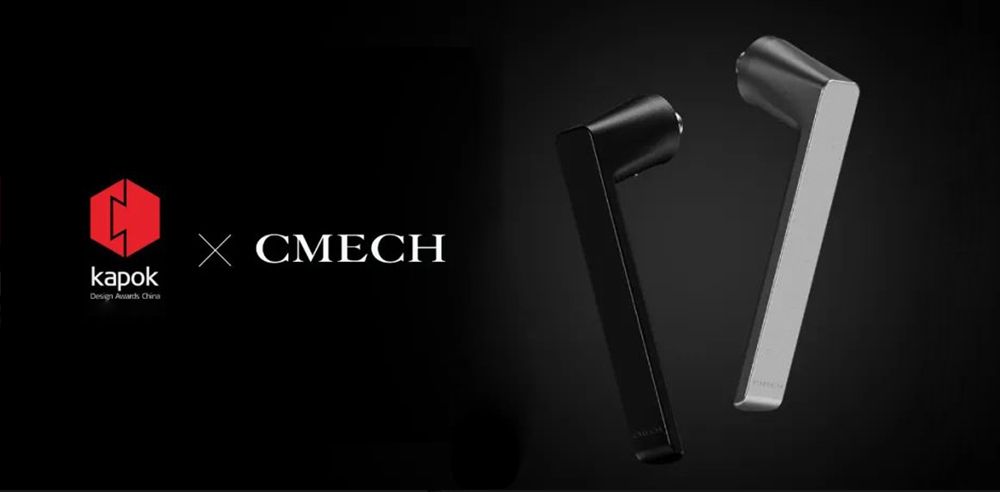
Our concealed configuration combines functional innovation with refined design. The system can be paired with minimalist, high-end handles from the Milan Series or Venice Series, allowing different interior styles to achieve a coordinated appearance. These handles have received recognition through the German Red Dot and iF Design Awards, reflecting CMECH’s commitment to design excellence.
The drive gearbox within our system uses patented dual-gear technology. The precisely meshed gears eliminate play and backlash, while the anti-drift design maintains accurate alignment during operation. A premium stainless steel faceplate improves resistance against wear and deformation, supporting long-term reliability.
Through these innovations, CMECH provides hardware solutions that combine smooth performance with lasting durability.
Creating Premium Window Solutions Through Minimalist Engineering
Modern architecture increasingly values simplicity, and hardware design plays an important role in achieving clean visual results. Visible mechanical components can affect the overall appearance of a window system, especially in high-end residential and commercial spaces.
Our concealed hinge solutions support a minimalist design philosophy by reducing visible hardware elements while maintaining strong functionality. This creates a refined appearance that complements contemporary interiors.
Beyond aesthetics, concealed configurations also contribute to easier integration with modern architectural concepts. By combining advanced engineering with elegant design, CMECH helps partners develop window solutions that meet both practical and visual expectations.
For manufacturers, architects, and project developers, selecting the right hardware solution can improve product competitiveness and provide greater value throughout the building lifecycle.
Advancing Future Window Performance with Integrated Solutions
The future of window design will continue to focus on improved efficiency, flexibility, and user experience. As architectural standards become more demanding, advanced systems such as tilt and turn windows will play an increasingly important role.
At CMECH, we continue to develop innovative hardware solutions that connect design, engineering, and manufacturing expertise. Our goal is to provide global partners with reliable systems that support modern architectural challenges.
By combining concealed configurations, precision mechanisms, and award-winning design concepts, CMECH helps create window solutions that deliver lasting performance. Through continuous innovation, we support the development of safer, more comfortable, and more visually refined buildings worldwide.

 English
 Arabic
 Chinese
 French
 Thai
Thai Vietnamese