
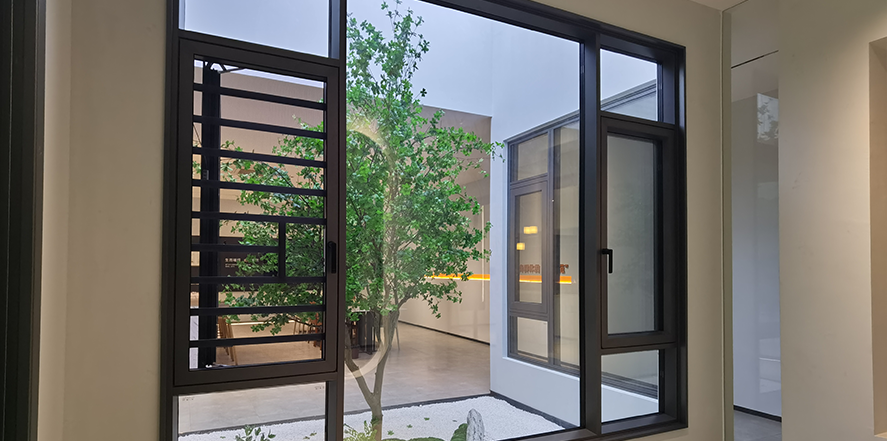


Fabricators often need window hardware that fits different project requirements, from residential buildings to commercial developments. Product selection is not only about basic functions. Design compatibility, installation efficiency, durability, and supply stability also affect the final decision.
When sourcing integrated options, fabricators usually review structure, material, operation experience, and customization possibilities. A suitable solution can help manufacturers improve production processes while meeting the expectations of architects and end users.
Understanding Hardware Needs for Casement Window Projects
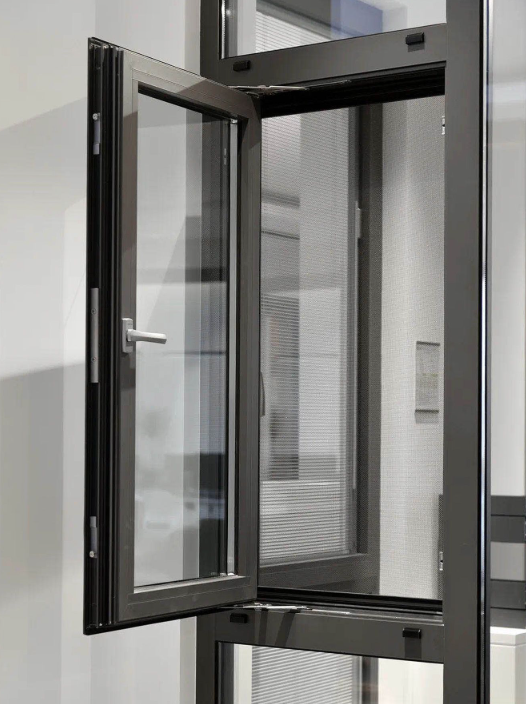
Casement windows require hardware systems that support smooth opening, stable positioning, and long-term use. For fabricators, choosing the right phụ kiện cửa sổ lật means considering how each component works together instead of selecting separate parts only.
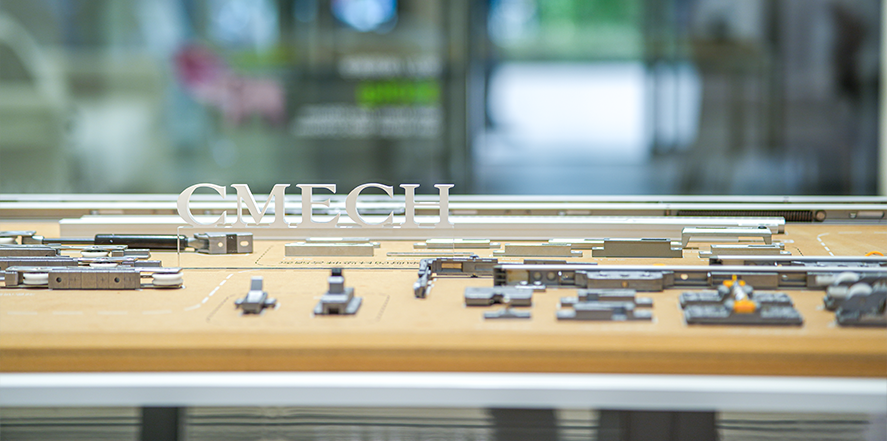
An integrated approach helps reduce compatibility concerns during assembly. A complete casement window hardware kit can include coordinated components that match the window structure and simplify installation preparation.
Different projects may have different requirements for appearance and operation. Fabricators should evaluate handle design, adjustment methods, fixing structures, and maintenance needs before selecting suppliers.
For modern architectural projects, concealed and clean designs have become an important consideration. Hardware that works well with window profiles can support both functional requirements and visual expectations.
Evaluating Integrated Options for Fabricators
When comparing suppliers, fabricators usually focus on product consistency and production support. A reliable casement window hardware option should match manufacturing processes and provide stable performance during daily operation.
CMECH focuses on door and window hardware solutions for professional customers. The company’s origins can be traced back to the 1990s and it has developed experience in design and manufacturing. Its production and R&D base, testing processes, and service network support different project requirements.
For fabricators looking for customized configurations, we provide hardware solutions that include different design choices. Our approach focuses on combining practical functions with architectural appearance instead of treating hardware as simple accessories.
Material selection is another factor during sourcing. Hardware components need to handle repeated operation, environmental conditions, and installation demands. Fabricators can review material structure and testing methods when evaluating long-term cooperation.
Exploring Outswing Casement Hardware Design Features
The OUTSWING CASEMENT WINDOW HARDWARE SOLUTION is designed for projects that require secure operation and a clean appearance. Its structure focuses on practical performance while supporting modern window design requirements.
For handle selection, fabricators can choose the base-free Milan Series handle or the Venice Series handle. Both designs are created to match different interior styles and have received Red Dot and iF Design Awards.
The handle core structure uses stainless steel with a one-piece molding process. Compared with traditional zinc alloy structures, this design provides improved wear resistance and durability. The rolling spring-loaded steel ball mechanism supports smooth operation.
The triangular fixation structure helps maintain stable handle performance during use. These details are important for projects where frequent operation and long-term reliability are considered.
For fabricators, selecting an appropriate casement window hardware kit also involves checking installation efficiency. A coordinated system can reduce adjustment work and help production teams manage assembly steps more easily.
Balancing Design and Production Requirements
Window manufacturers need to balance appearance, functionality, and manufacturing efficiency. A suitable casement window hardware configuration should support different window designs while keeping installation procedures clear.
Hidden hardware designs are becoming more common because they create a cleaner visual effect. They also allow designers to focus on the overall window appearance without excessive visible components.
Fabricators can also consider customization support when developing projects. Hardware suppliers with engineering experience can discuss product matching, application conditions, and project requirements before production.
We work with professional partners by providing door and window hardware options for different applications. Our focus includes product development, manufacturing processes, and service support for customers in various markets.
Making a Practical Sourcing Decision
Choosing the right hardware supplier requires attention to product details and cooperation capability. Fabricators should review technical information, application conditions, and after-sales policies before making decisions.
A complete casement window hardware kit is not only a collection of components. It represents a coordinated solution that connects design, production, and installation needs.
For projects requiring customized window configurations, we recommend discussing specific requirements with our team. We can provide information about hardware options, solution matching, and application considerations based on project conditions.
Integrated Hardware Supports Future Window Projects
Sourcing window hardware requires a balance between design value and practical production needs. Fabricators can benefit from reviewing structure, materials, installation processes, and service support before choosing a solution.
We continue to provide options for professional customers, with attention to suitable hardware choices for different project environments and production requirements.
A thoughtful selection process helps create windows that meet functional expectations while maintaining a clean architectural appearance. When fabricators evaluate integrated solutions, clear communication and technical matching can support smoother project planning.
Fabricators can review production compatibility, adjustment requirements, and project timelines during the selection stage. This process helps teams understand how hardware choices connect with manufacturing workflows and installation conditions, creating a clearer path for future window projects.

 English
 Arabic
 Chinese
 French
 Thai
 Vietnamese