
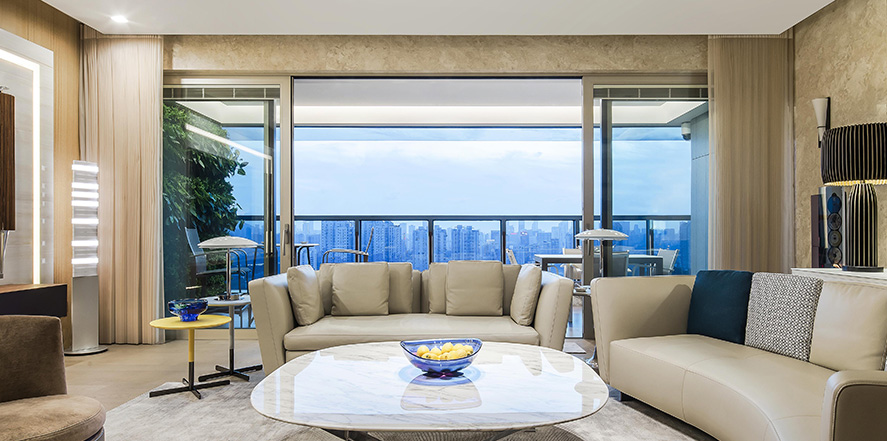


Modern architectural openings depend on more than expansive glass and slim aluminum sightlines. Large sliding doors must combine structural support, smooth movement, reliable sealing, and a visual language that complements the surrounding façade. When comparing hardware solutions with aluminum profiles, architects and fabricators should not view them as competing choices. The profile provides the structural framework, while the hardware determines how the moving sash operates within it. At CMECH, we consider both elements essential to a complete architectural door solution.
Aluminum Profiles Provide the Framework
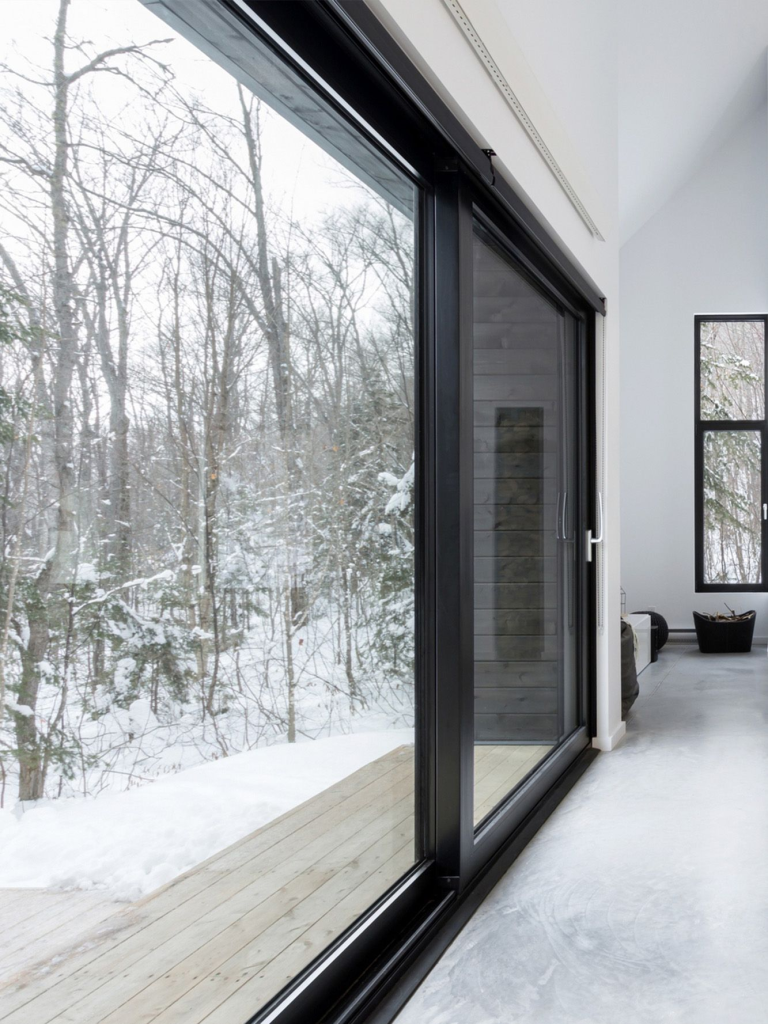
Aluminum profiles are central to the structural design of modern lift and slide doors. Their geometry accommodates the glass, supports the sash, creates drainage and sealing zones, and establishes the visible lines of the finished opening.
Profile selection can also influence thermal performance and the overall visual character of the system. Slimmer profiles may maximize glass area, while deeper or reinforced sections can address the demands created by larger and heavier panels. However, even a carefully engineered profile cannot independently provide lifting, sliding, locking, and controlled sealing functions.
This is where phần cứng cửa sổ and door hardware become closely connected to profile design. The machining positions, hardware grooves, fixing points, and internal spaces of the profile must accommodate the selected mechanism. Effective system development therefore requires coordination between the profile and the hardware from the beginning.
Lift & Slide Hardware Controls the Moving Sash
The key difference between a conventional sliding arrangement and a lift and slide system lies in how the sash moves between operating and sealing positions. A 180-degree rotation of the handle controls the lifting and lowering movement of the sash.
When the mechanism is activated, the hardware coordinates the movement needed for the door panel to slide. When the sash returns to its closed position, the system lowers it to support effective sealing. This operating principle makes hardware especially important when specifying large and heavy architectural doors.
The Lift & Slide Door Hardware Solution offers multiple load-bearing options from 200 kg to 450 kg. Its applicable sash width is 720–3,300 mm, while the applicable sash height is 1,800–2,700 mm. These specifications should be evaluated against the complete sash weight and profile design during project planning.
For architects and manufacturers, the practical question is therefore not whether the profile or hardware is more important. The question is whether both have been correctly matched to the size, weight, glass configuration, and intended operation of the door.
Why Glass Door Hardware Must Match Profile Geometry
Large glazed openings place significant demands on the interface between the moving sash and the frame. Glass door hardware must fit the available profile geometry while providing sufficient support for the specified door configuration.
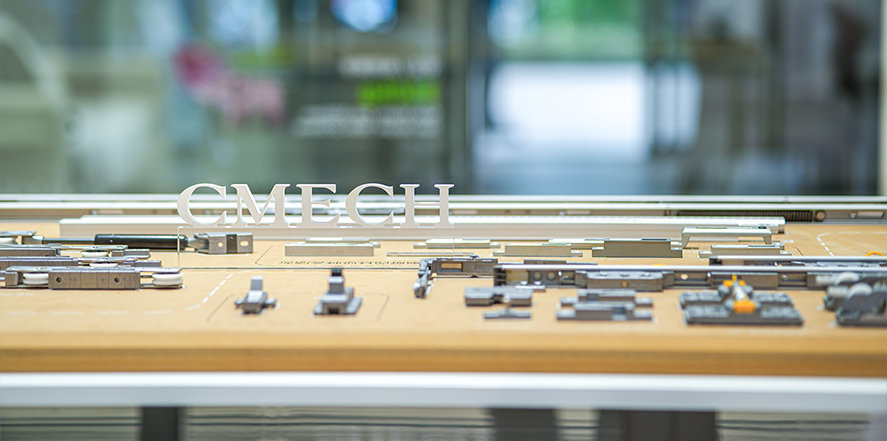
The CMECH Lift & Slide Door Hardware Solution includes a handle, espagnolette, and lifting roller designed to operate as coordinated components. The system’s handle centerline-to-roller carriage attachment surface distance is specified as 955 mm, while the handle centerline-to-espagnolette surface distance is 37.5 mm.
These dimensions demonstrate why hardware cannot be added as an afterthought. Fabricators need to confirm machining and installation requirements before production. Small incompatibilities between the selected profile and transmission layout can create unnecessary assembly challenges or limit the intended performance of the finished door.
Early coordination also helps project teams manage different architectural requirements without redesigning the entire system after fabrication planning has started.
Comparing Structural Strength With Operating Performance
Aluminum profiles primarily manage the structural enclosure of the door assembly, but the hardware must transfer and control the moving loads created during operation. This distinction becomes increasingly important as glass sizes and sash weights increase.
The lifting roller in the solution uses a gear-and-roller lifting mechanism to support stable and quiet movement. Rubber-coated rollers are designed to improve wear resistance and can be configured according to different door-weight requirements.
Meanwhile, the espagnolette incorporates a gas spring that absorbs rebound during operation. This supports smoother handle movement and can assist the operation of heavier door panels. The handle is precision-cast in one piece from industrial-grade aluminum alloy and incorporates a compensation mechanism intended to reduce operational play.
Together, these components address operating performance that the profile alone cannot provide. A strong frame may support a large opening, but the door still requires a coordinated mechanism to lift, move, lower, and seal the sash consistently.
Designing for Sealing, Acoustics, and User Experience
Architectural door specifications should also consider what happens when the door is closed. The Lift & Slide Door Hardware Solution combines its high-strength structure with sealing technology intended to support airtight performance and sound insulation.
For modern residential, hospitality, and commercial projects, these characteristics can be particularly relevant where large openings connect conditioned interior spaces with outdoor environments. However, final building performance also depends on the selected profile, glazing, seals, fabrication quality, and installation.
We recommend evaluating the complete assembly rather than assigning all performance expectations to one component. The profile creates the system geometry and sealing interfaces, while the lift and slide mechanism controls the movement required to engage and release the sash from its operating position.
This system-based approach can help manufacturers make more informed decisions when selecting components for premium architectural openings.
A Coordinated Approach to Modern Building Solutions
The comparison between lift and slide hardware and aluminum profiles should ultimately lead to one conclusion: they perform different but interdependent functions. Profiles establish the structural and visual foundation, while hardware transforms a large and potentially heavy sash into an operable architectural element.
At CMECH, we support a coordinated approach that begins with measurable project requirements. Sash dimensions, total weight, glass selection, profile geometry, expected operating conditions, and desired sealing performance should all be reviewed before a hardware configuration is selected.
We offer a broader portfolio covering window hardware, door hardware, handles, and system solutions, enabling project teams to evaluate hardware requirements across different window and door applications.
Building Better Lift & Slide Door Solutions
For architects, fabricators, and project buyers, successful lift and slide doors are not created by choosing either a high-performance aluminum profile or advanced hardware. They result from matching the two systems correctly.
By combining an appropriate profile with a hardware solution rated for the actual sash dimensions and loads, we at CMECH can support smoother operation, controlled lifting, and reliable closing performance. The 200–450 kg load-bearing range and defined sash specifications provide a practical basis for matching hardware to demanding architectural applications.
Ultimately, we believe the most effective modern building solutions are integrated ones. When profile engineering and lift and slide hardware are specified together, large glazed doors can better balance architectural scale, structural requirements, daily usability, and the refined appearance expected in contemporary projects.
 English
 Arabic
 Chinese
 French
 Thai
Thai Vietnamese