



Large sliding doors create open, modern spaces, but their size and weight also introduce challenges. Choosing the right lift and slide door hardware is essential because standard sliding mechanisms may struggle with heavier door panels, frequent operation, and long-term stability. A suitable hardware solution helps manufacturers, architects, and property developers achieve smoother movement, reliable performance, and better user experiences.
When selecting hardware, buyers should evaluate factors such as door weight, panel dimensions, operating frequency, and project requirements. This guide explains how lift and slide solution work, what features matter most, and how solutions such as CMECH hardware support demanding sliding door applications.
What Is Lift and Slide Door Hardware and Why Does It Matter?
Lift and slide door hardware is a specialized mechanism that lifts a door panel slightly before sliding it horizontally, allowing large and heavy doors to move with less operating resistance.
Unlike conventional sliding doors that rely on rollers carrying the full load during movement, lift and slide solution use a lifting mechanism controlled by the handle. When the handle rotates, the door sash rises from the frame, reducing friction between sealing components and allowing smoother movement.
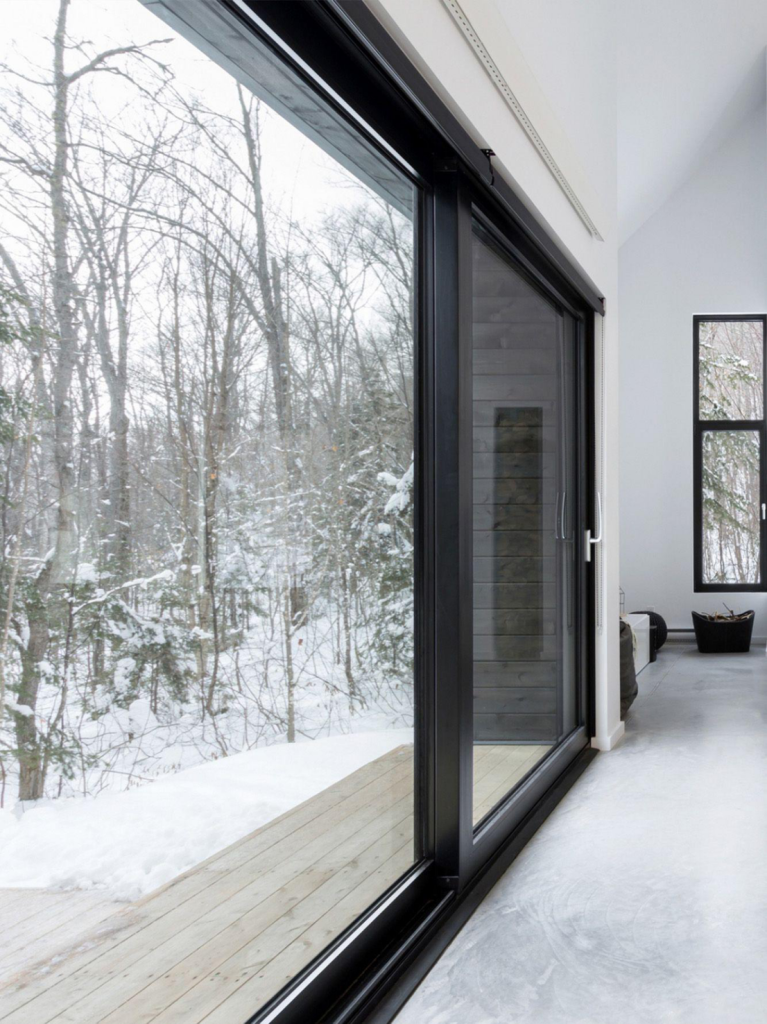
This design is especially valuable for large glass doors used in residential buildings, commercial spaces, and architectural projects. Large panels can provide wider views and stronger connections between indoor and outdoor areas, but they also require hardware capable of supporting their weight.
How Does a Lift and Slide Door Solution Work?
A lift and slide solution operates through several connected components working together:
| Component | Function |
| Xử lý | Controls the lifting and lowering movement |
| Khóa chốt | Supports locking operation and movement control |
| Lifting roller | Carries the door weight and enables sliding movement |
| Track solution | Provides the pathway for horizontal movement |
The handle activates the internal mechanism, lifting the door sash before it moves. After closing, the solution lowers the door back into position, helping maintain stable contact with the frame.
Therefore, the hardware design directly affects operation quality. A poorly matched solution can create problems such as difficult opening, uneven movement, or premature component wear.
Why Are Traditional Sliding Door Solution Not Always Suitable for Large Doors?
Traditional sliding door hardware may not provide enough support for oversized panels because door weight increases the stress placed on rollers and tracks.
For example, architectural sliding doors often use larger glass surfaces to maximize natural light. These panels require heavy duty sliding door hardware because the hardware must support higher loads while maintaining smooth operation.
As a result, project designers often select lift and slide solution when they need large openings without sacrificing usability.
What Key Features Should You Look for in Heavy Duty Sliding Door Hardware?
The most important features of heavy duty sliding door hardware are load capacity, component design, and compatibility with door dimensions.
Before purchasing hardware, buyers should match the solution specifications with the actual door structure. Selecting hardware based only on appearance can lead to operational problems later.
Key evaluation factors include:
- Load-bearing capacity: The hardware must support the complete door sash weight.
- Door size compatibility: The solution should match the required sash width and height.
- Component quality: Rollers, handles, and locking mechanisms influence daily performance.
- Application environment: Residential and commercial projects may have different usage demands.
How Does Load Capacity Affect Hardware Selection?
Load capacity determines whether hardware can safely support the door panel during operation.
CMECH’s bộ phụ kiện cửa lùa xoay solution provides different configurations with load-bearing capacities ranging from 200kg to 450kg, allowing it to support various large sliding door applications.
For buyers comparing sliding patio door hardware options, checking weight specifications is a critical first step. A solution designed for lightweight doors may not perform effectively when installed on oversized glass panels.
Why Are Rollers, Handles, and Locking Components Important?
Each hardware component contributes to the overall door experience.
The lifting roller is responsible for supporting movement. CMECH’s lifting roller uses a gear-and-roller lifting mechanism with rubber-coated rollers designed to support smooth and reliable movement.
The handle also plays an important role because it controls the lifting action. CMECH’s handle uses industrial-grade aluminum alloy construction and includes a compensation mechanism designed to reduce looseness during operation.
Meanwhile, the espagnolette includes a gas spring mechanism that helps absorb rebound and supports smoother movement.
Together, these components create a coordinated solution instead of isolated parts working separately.
How Can Hardware Improve Door Operation and Sealing Performance?
A lift and slide mechanism improves operation by reducing friction during movement.
When the door lifts before sliding, the sealing components experience less resistance. This makes large doors easier to operate while helping maintain proper positioning when closed.
However, buyers should understand that hardware is only one part of overall door performance. Frame design, glass selection, installation quality, and maintenance practices also influence final results.
How Does CMECH Lift and Slide Door Hardware Support Large Sliding Door Applications?
CMECH lift and slide door hardware provides a configurable solution for large sliding doors with different size and weight requirements.

As a door and window hardware supplier, CMECH develops solution designed for architectural applications where reliability and usability are important. Its lift and slide door hardware solution focuses on supporting large door panels through coordinated hardware components.
The solution specifications include:
| Specification | CMECH Lift and Slide Door Hardware |
| Applicable sash width | 720–3,300 mm |
| Applicable sash height | 1,800–2,700 mm |
| Load-bearing capacity | 200–450 kg |
| Handle centerline to roller carriage attachment surface | 955 mm |
| Handle centerline to espagnolette surface | 37.5 mm |
What Specifications Does CMECH Lift and Slide Door Hardware Provide?
The solution supports a wide range of door configurations because different architectural projects have different opening sizes.
For example, a residential villa project may require large patio doors connecting indoor and outdoor spaces, while a commercial building may need wide glass openings for visual impact.
Because CMECH offers configurations covering different sash dimensions and weight requirements, manufacturers can select a suitable hardware setup based on project specifications.
Which Door Projects Can Benefit from CMECH Hardware Solutions?
CMECH hardware is suitable for projects where large sliding openings and smooth operation are priorities.
Common applications include:
- Residential sliding patio doors
- Luxury homes and villas
- Commercial buildings with large glass entrances
- Architectural projects requiring wide openings
For manufacturers and distributors sourcing sliding glass door hardware, selecting a solution with verified specifications helps reduce compatibility risks during production and installation.
How Do You Choose the Right Sliding Glass Door Hardware for Your Project?
Choosing the right sliding glass door hardware requires evaluating door requirements first and matching hardware specifications second.

Many purchasing decisions fail because buyers focus only on product appearance or price. Hardware selection should begin with practical project conditions.
A simple evaluation process includes:
1.Measure the door dimensions
- Confirm sash width and height requirements.
- Compare measurements with hardware specifications.
2.Calculate door weight
- Consider glass thickness, frame materials, and overall panel structure.
- Select hardware with suitable load capacity.
3.Consider usage frequency
- Residential doors and commercial doors may experience different operating cycles.
4.Review component design
- Examine handles, rollers, and locking mechanisms.
How Do Different Sliding Door Hardware Solutions Compare?
Different hardware solutions serve different needs.
| Hardware Type | Suitable Application | Main Consideration |
| Standard sliding hardware | Smaller and lighter doors | Limited load capacity |
| Heavy duty sliding door hardware | Large residential and commercial doors | Higher weight support |
| Lift and slide solution | Oversized doors requiring smooth operation | Integrated lifting mechanism |
Therefore, project requirements should determine the hardware choice. A larger door opening usually requires a more specialized solution rather than a basic sliding solution.
Conclusion: How Can the Right Lift and Slide Door Hardware Improve Long-Term Door Performance?
The right lift and slide door hardware helps large sliding doors achieve smoother operation, reliable support, and long-term usability.
For architects, manufacturers, and building professionals, selecting hardware based on measurable factors such as load capacity, door dimensions, and component design is more effective than choosing products based only on appearance.
CMECH’s lift and slide door hardware solution provides verified configurations for large sliding doors, including support for sash widths up to 3,300 mm and load capacities up to 450 kg. By matching hardware specifications with project needs, businesses can create sliding door solutions that deliver practical performance and user satisfaction.



 English
 Arabic
 Chinese
 French
 Thai
Thai Vietnamese