



In a luxury hotel, a door between a suite, lounge, or corridor should move without announcing every guest, trolley, or service call. Noise control begins at the rolling interface, where wheel material, bracket alignment, handle action, and panel weight determine vibration. A quiet opening is therefore a mechanical result, not only an acoustic design intention.
À CMECH, we engineer sliding door hardware as a coordinated movement system. Our gliding configuration combines adjustable roller brackets, rubber-coated wheels, integrated handles, drive parts, and locking components so hospitality designers can protect calm interiors. We connect sound behavior with load transfer, installation accuracy, and maintainable adjustment across repeated rooms and service cycles.
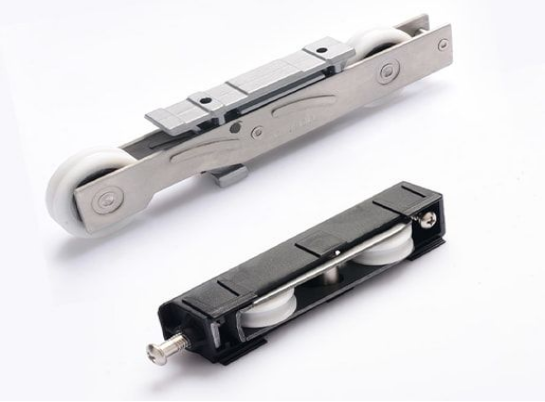
Noise Begins in the Roller Load Path
A sliding panel carries gravity through its roller brackets into the track and frame. If the bracket shares weight evenly, the wheel rolls with limited slip and the panel remains level. If one side carries more load, the wheel can scrub, producing vibration that travels into the panel, wall, and floor junction, especially during acceleration.
The gliding configuration supports sash widths from 500 to 3,000 mm, heights above 750 mm, and loads up to 300 kg. Those values define a design envelope rather than a promise for every opening. A hospitality project should match glazing mass, panel dimensions, track support, and bracket capacity before specifying sliding door hardware for guest rooms.
For a boutique hotel corridor, we would measure starting force, running force, sound at several travel points, and final stopping behavior. A wheel may appear acceptable during a short demonstration yet produce pulses after the panel is glazed. The physical consequence is repeated impact at the track, which can increase noise and accelerate adjustment needs during service.
How Does Integrated Hardware Reduce Operating Noise?
Noise reduction depends on controlling when forces enter the panel. A smooth sequence lets the rollers carry weight before the panel accelerates, while a stable handle and lock prevent sudden rebound at closure. The cause is coordinated motion; the engineering result is less shock transmitted through the frame and fewer audible interruptions during room turnover.
When reviewing quincaillerie pour portes coulissantes, we compare roller adjustment, handle position, lock access, and panel mass. The page describes rubber-coated rollers with minimal wear after 120,000 test cycles and a triple-layer adjustable bracket for weight distribution. These details support quieter movement when the surrounding profile and track are correctly installed during construction.
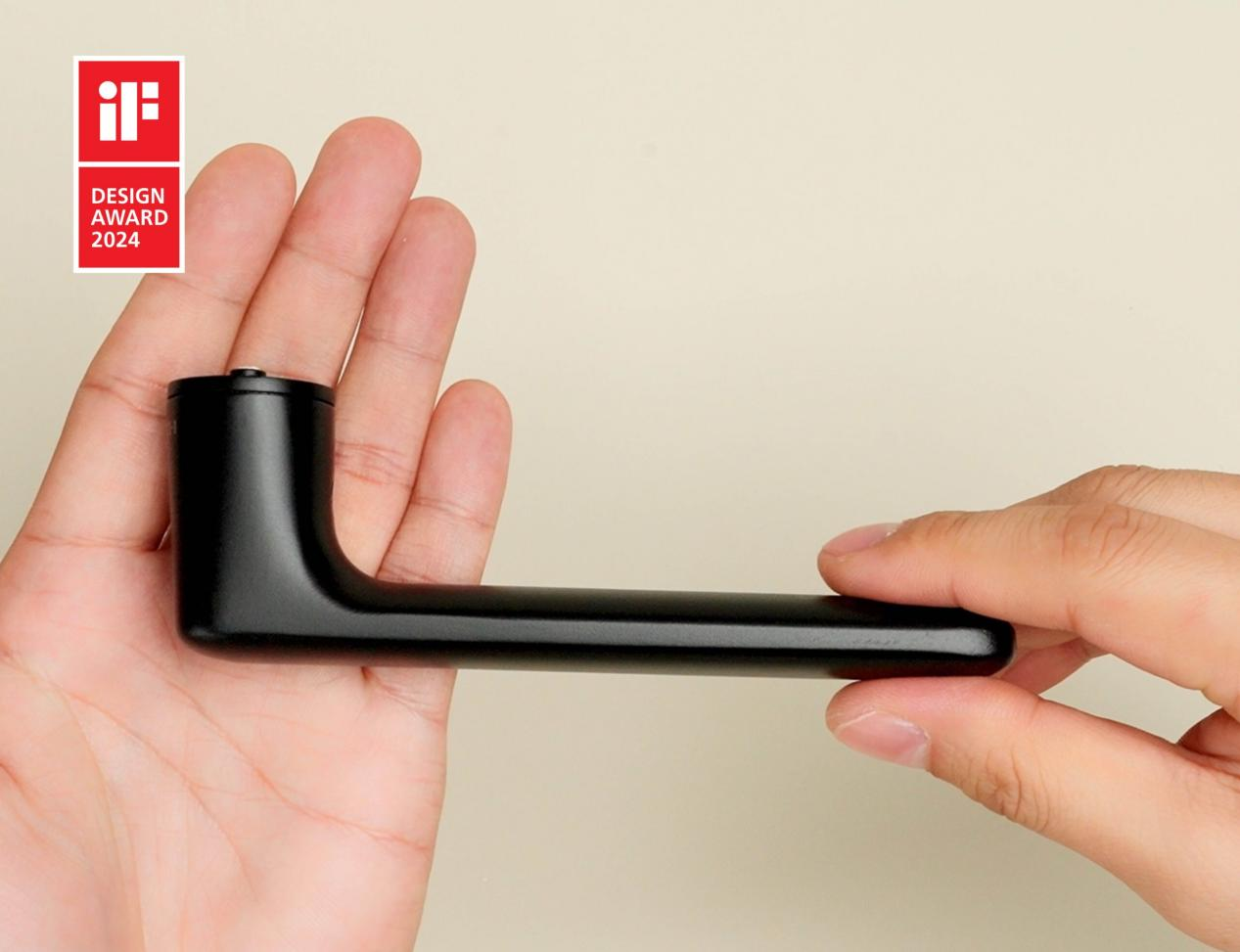
Handle selection also changes the acoustic experience. The Milan Handle uses high-strength aluminum alloy in a one-piece form, while the Metro Handle integrates handle and lock within a 30 mm profile and uses a linear ball-bearing mechanism. A controlled grip reduces abrupt force at the command point, helping staff close doors without slamming or repeated correction in occupied rooms.
Adjustment Protects Acoustic Performance During Service
Height adjustment keeps the panel level after glazing, flooring, or repeated operation changes the geometry. Installers can correct the roller position so the leading edge meets its receiver without scraping. This physical correction reduces friction and prevents a small misalignment from becoming a recurring source of rattle, handle effort, or uneven seal contact.
We recommend testing the panel before finishes, after glazing, and again during handover. Record reveal dimensions, travel force, stopping position, and any contact sound. If one adjustment changes several symptoms, the bracket is transferring force effectively; if each corner behaves differently, the profile, track, or fasteners may need investigation before further tuning.
In premium hospitality interiors, service access must remain practical. A technician may work around stone thresholds, timber wall panels, soft furnishings, and acoustic partitions. Concealed or integrated sliding door hardware is suitable only when adjustment points remain reachable through the planned head, pocket, or side detail. Otherwise, noise control can become expensive to maintain during occupancy.
The CMECH Gliding Configuration Fits Hospitality Interiors
For a hotel suite separating a bedroom from a sitting room, the interior sliding door hardware solution from CMECH combines Milan or Metro handles, drive parts, lock parts, adjustable roller brackets, rubber-coated rollers, load-bearing components, and accessories. The Milan handle suits doors 37 mm thick and above; the Metro option integrates lock and handle in a low-profile body for screen-sash applications.
The configuration gives specifiers measurable boundaries: sash widths from 500 to 3,000 mm, heights above 750 mm, and total load up to 300 kg. The triple-layer bracket distributes weight, while rubber-coated wheels support quieter travel. We would align those values with glazing, profile stiffness, track support, and room acoustics before approving a repeated room type for construction and handover.
Our engineering verdict is clear: use an integrated gliding system when quiet movement, consistent handling, and repeatable room specifications matter. Simpler sliding door hardware can fit lighter, low-frequency openings where acoustic expectations are modest and adjustment remains easy. For premium hospitality, coordinated components offer a more defensible path to stable sound performance.
Quiet Operation Has Practical Limits
Commission a finished guest-room opening after glazing, flooring, and adjacent finishes are in place. Listen for contact or vibration through the full travel and inspect the track, fixings, and roller adjustment where noise occurs; this identifies issues that a component description alone cannot resolve.
Retain the room-type settings and repeat checks after major service or refurbishment. The hardware can help limit rolling noise, while the panel, surrounding structure, installation, and maintenance all contribute to the sound guests experience during use.


 English
 Arabic
 Chinese
 French
 Thai
 Vietnamese