
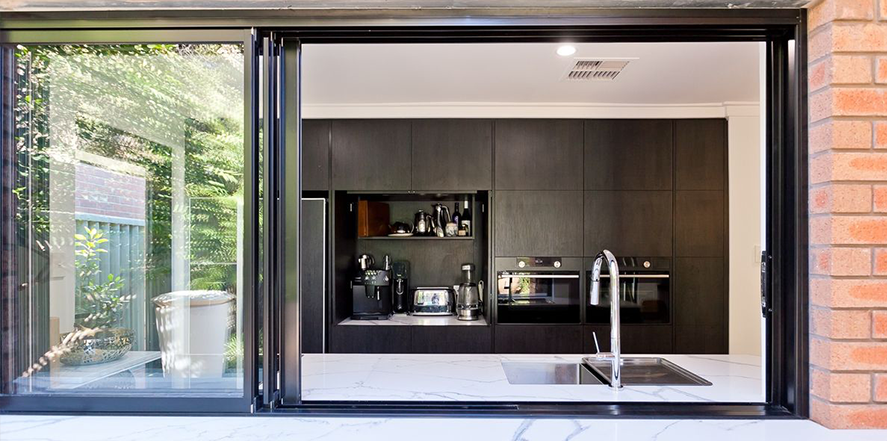


Sliding windows are among the most requested styles in modern building projects, valued for clean sightlines and space-saving operation. But the glass and frame only tell half the story. The hardware inside the window determines whether it glides smoothly for a decade or starts sticking, leaking, or rattling within a year.
This guide breaks down what sliding window hardware actually does, the main types available, and what specifiers and fabricators should check before choosing a solution — using CMECH’s sliding window hardware line as a reference point throughout.
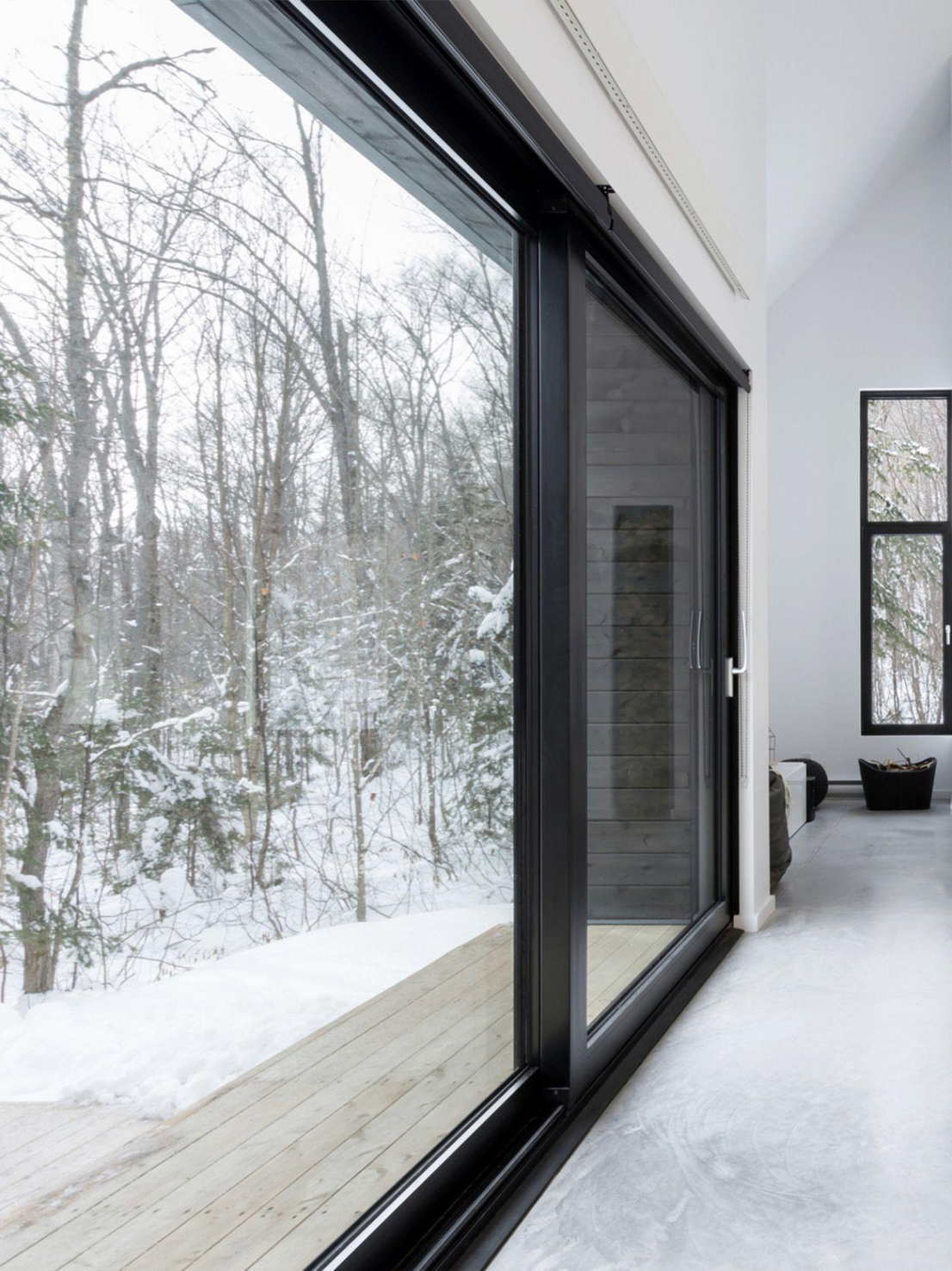
What Is Sliding Window Hardware and Why Does It Matter
Sliding window hardware is the mechanical solution — rollers, tracks, locks, and handles — that lets a window sash glide horizontally and lock securely once closed. Because the sash carries weight but never lifts or swings, every component has to manage friction and load differently than it would in a hinged window.
Hardware quality directly affects three things buyers care about: how smoothly the window operates, how much weight the frame can safely carry, and how long the solution lasts before parts need replacing.
A poorly engineered roller, for example, can wear out within a few years under daily use. As a result, fabricators end up absorbing may lead to additional maintenance and adjustment requirements.
A complete solution typically includes:
- Rollers and track — carry the sash weight and enable horizontal movement.
- Recessed handle — locks the sash and keeps a flush, snag-free profile.
- Multi-point lock — secures the sash at several contact points, not just one.
- Weatherstripping — seals the gap between sash and frame during operation.
What Are the Main Types of Sliding Window Hardware
Sliding window hardware falls into three main categories: roller and track solution, lock and handle solution, and multi-track configurations. Understanding each category helps buyers evaluate a supplier’s full solution rather than judging it by a single part.
What Do Roller and Track Solution Do
Rollers carry the weight of the sash and let it move along the track. Heavier sashes need multi-layer brackets that spread the load across more contact points. A single-point roller under too much weight wears unevenly and eventually binds.
How Do Lock and Handle Solution Work
Locking hardware secures the sash to the frame when closed. Recessed pull handles are common on sliding windows because they sit flush with the sash, avoiding snagging. This matters for both aesthetics and safety in high-traffic buildings.
When Do Projects Need Multi-Track Configurations
Larger openings often use two, four, or six tracks so multiple sashes can slide independently or stack together. This lets fabricators offer wider openings without relying on a single oversized, heavy sash.
| Hardware Type | Primary Function | Common Use Case |
| Roller / Bracket | Weight distribution, smooth glide | All sliding sashes |
| مقبض راحة اليد | Locking, flush operation | Residential & commercial |
| قفل متعدد النقاط | Security, sealing | High-rise, coastal projects |
| Multi-track solution | Wider openings | Large façades, resorts |
How Does Sliding Window Hardware Solution Compare to Other Window Solution
Compared with hinged solution like inswing casement window hardware, sliding window hardware trades some sealing performance for space efficiency. Neither style is the right choice for every project — it depends on climate and layout.
Sliding windows open horizontally without any swing clearance, which makes them practical for balconies, walkways, or rooms where furniture sits close to the window.
However, because the sash slides rather than compresses against the frame, its seal is inherently more flexible than that of a hinged window. This is a trade-off worth knowing up front, not after installation.
Inswing casement windows, by contrast, use a compression seal that presses the sash against the frame on all sides when closed. Casement windows typically provide stronger compression sealing because the sash closes against the frame, while sliding windows prioritize space efficiency and ease of operation.
That is why aluminium inswing casement windows are often specified for high-wind or coastal climates, where sealing performance outweighs the value of a wider clear opening.
| Factor | نافذة منزلقة | نافذة بابية متداخلة |
| Swing clearance needed | None | Yes, opens inward |
| Seal type | Flexible / friction seal | Compression seal |
| Core strength | Space efficiency, wide openings | Airtightness, wind and water resistance |
| Typical best fit | Balconies, walkways, tight interiors | Coastal, high-wind, high-performance builds |
For a project balancing ventilation, view, and space efficiency, sliding hardware remains the practical choice. However, developers building in demanding climates should weigh both solution against local performance requirements before finalising specifications.
What Should Buyers Look for When Selecting Sliding Window Hardware
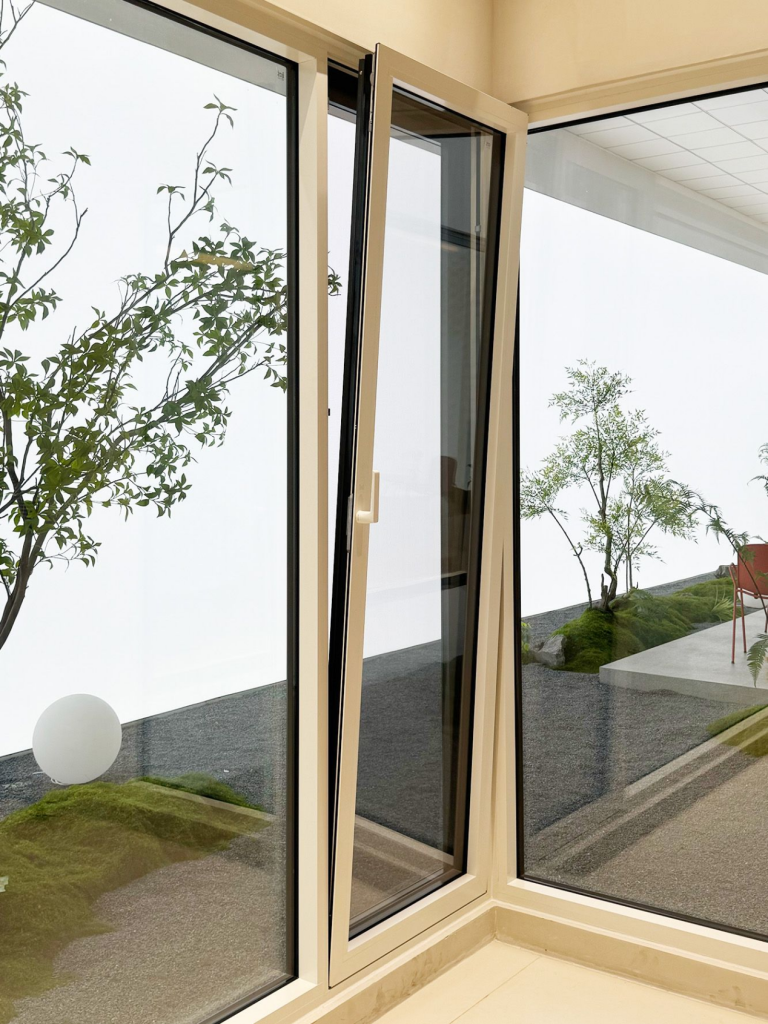
Three factors decide whether sliding window hardware holds up under real-world use: load capacity, cycle-test data, and sealing performance.
How Much Load Capacity Do You Actually Need
Every roller and track has a rated weight limit, and exceeding it accelerates wear regardless of how well-built the components are. Buyers should confirm the supplier’s tested range covers their heaviest sash configuration, not just the average one.
Why Does Cycle-Test Data Matter More Than Marketing Claims
Ask for cycle-test data, not marketing claims. A roller rated for 120,000 open-close cycles will perform very differently over ten years than one with no independent testing to support its claims. Therefore, cycle counts are one of the most reliable ways to compare suppliers on paper.
How Do You Evaluate Sealing and Weather Performance
Because sliding seals flex to allow movement, the quality of the weatherstripping and track design determines how much air and water infiltration a finished window will experience.
For example, projects in coastal or high-wind regions should prioritise solution tested specifically for those conditions, rather than standard indoor-use ratings.
- Confirm rated load range against your heaviest sash, not the average.
- Request independent cycle-test results, not brochure claims.
- Match sealing performance to your project’s climate zone.
- Check whether child-safety or anti-misoperation features are included.
Who Is CMECH and What Does Its Sliding Window Hardware Offer
CMECH is a global door and window hardware manufacturer with nearly 30 years of experience serving real estate developers, window and door fabricators, and architects across North America, Europe, and Asia-Pacific.
CMECH’s أجهزة النوافذ المنزلقة solution is built around three components designed to solve the exact wear-and-tear issues buyers should watch for:
- مقبض السحب المعلق لقفل الصدمات — installs directly into the sash profile and locks with a single press, combining anti-theft protection with a flush, snag-free design.
- مقبض مترو S — winner of the German Red Dot Design Award, tested to 25,000 open-close cycles, and built with a self-adjusting ±3 mm hook that compensates for profile tolerances. A built-in child safety lock is included, and both automatic and manual locking versions are available.
- الأسطوانة solution — uses a multi-layer bracket to distribute weight, supporting 120 kg to 300 kg depending on configuration. The rubber-coated wheels are tested to 120,000 cycles, keeping the glide quiet even after years of daily use.
The solution covers sash widths from 500 to 1,600 mm and sash heights from 300 to 1,800 mm, with load-bearing capacity up to 300 kg — a range built to fit both standard residential openings and larger commercial sashes.

How Do You Choose the Right Sliding Window Hardware Configuration
The right hardware configuration depends on project type and location, not a single standard spec. A mid-rise residential development with typical sash sizes can usually run on a single-track roller solution paired with a standard recessed handle, keeping costs predictable.
Larger-scale projects change the calculation. A resort or high-rise development with wide façade openings often needs multi-track configurations paired with higher load-bearing rollers, since a single oversized sash concentrates too much weight on one set of components.
Coastal or high-wind locations add another variable: buyers there should confirm that locking and sealing components have been tested for wind-pressure resistance, not just standard indoor conditions.
| Project Type | Typical Configuration | Key Requirement |
| Mid-rise residential | Single-track roller + standard recessed handle | Predictable cost, standard load |
| Resort / high-rise | Multi-track + higher load-bearing rollers | Wide openings, heavier sashes |
| Coastal / high-wind | Multi-point lock + wind-tested sealing | Wind-pressure resistance |
As a general rule, the more variable a project’s climate and sash sizing, the more value there is in working with a supplier that provides full documentation. Tested load ranges, cycle counts, and sealing performance data tell buyers more than general marketing language ever will.
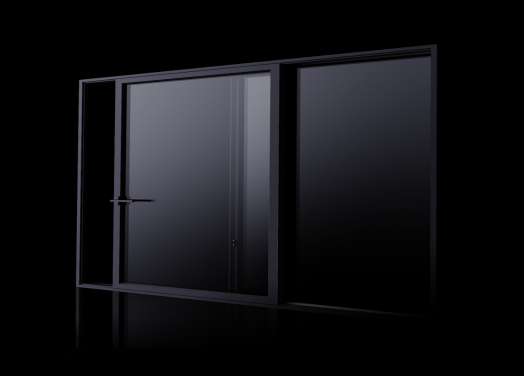
Conclusion:How Can the Right Sliding Window Hardware Solution Improve Long-Term Performance
Sliding window hardware looks simple from the outside, but the roller, lock, and track components inside it determine whether a window performs reliably for years or becomes a maintenance problem.
Buyers who check load ratings, cycle-test data, and sealing performance end up with solution that match their project’s real demands, rather than hoping that general marketing claims hold up on-site.
Whether you’re comparing sliding solution against inswing casement windows or narrowing down a supplier for a large-scale development, matching a hardware solution’s tested specifications to your project’s actual conditions is the step that pays off over the building’s lifetime.
Visit CMECH to explore the full sliding window hardware range and request project-specific specifications.



 English
 Arabic
 Chinese
 French
 Thai
Thai Vietnamese