



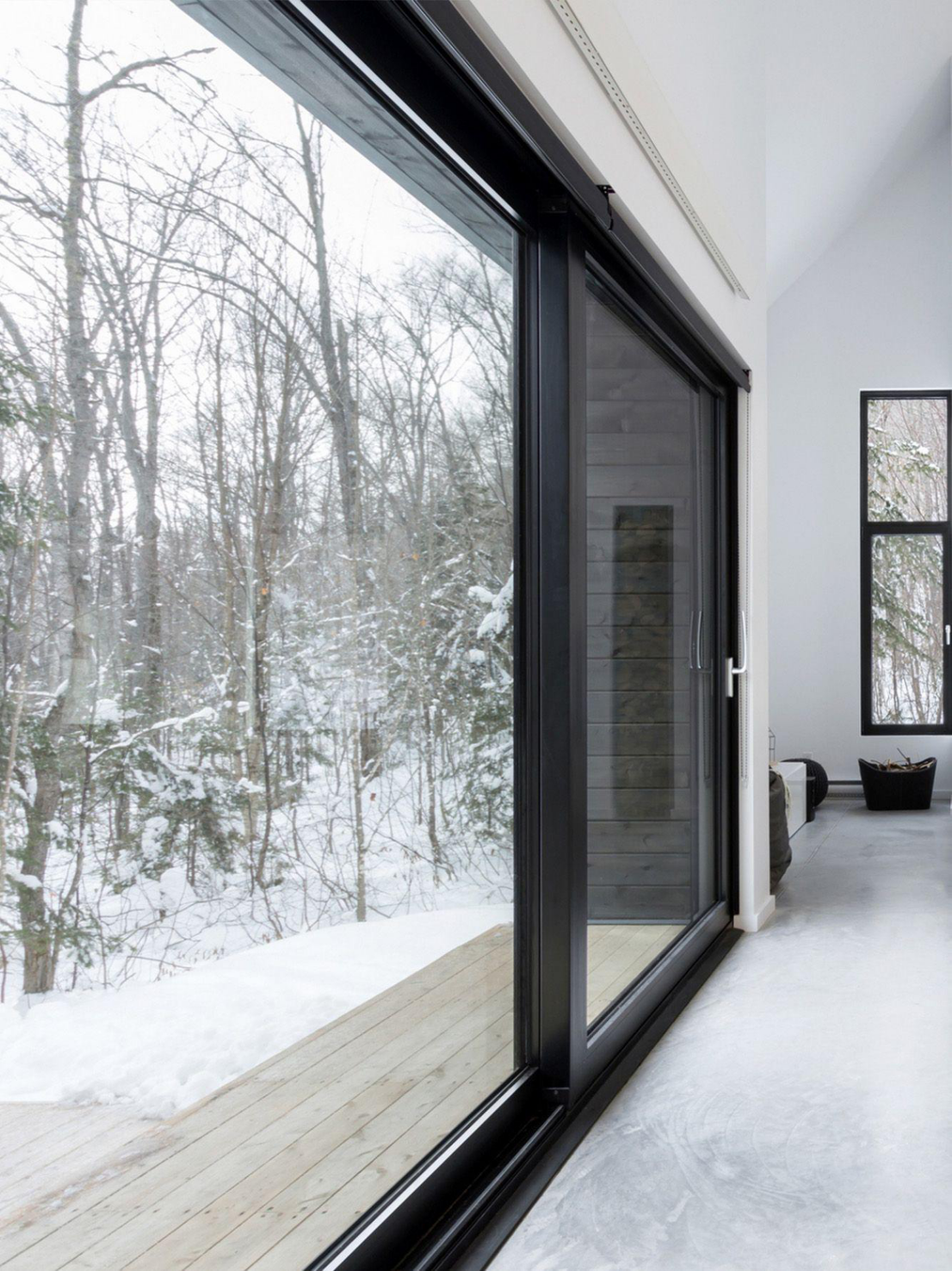
Large glass sliding doors are increasingly used in luxury residences, hotels, offices, and premium commercial spaces to create open views and stronger connections between interior and exterior areas. However, the performance of these doors depends heavily on the hardware behind the glass. For architects, developers, fabricators, and project buyers, choosing an integrated glass sliding door hardware kit rather than sourcing fragmented components can improve compatibility, installation consistency, operation, and long-term performance.
Why Fragmented Hardware Sourcing Creates Challenges
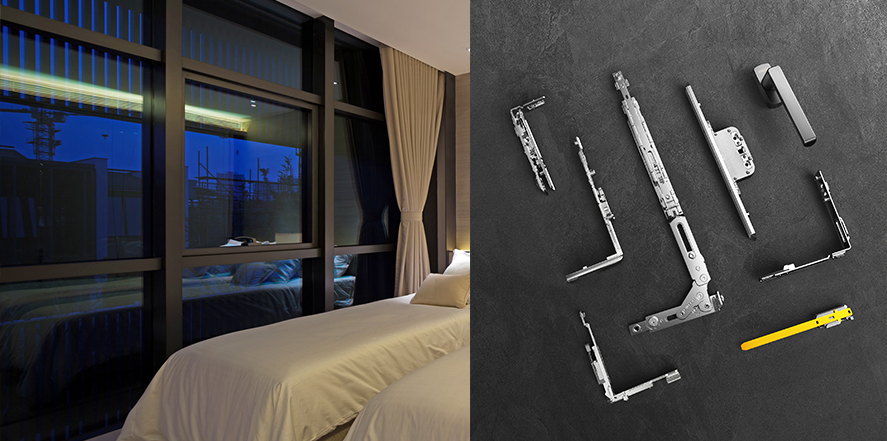
A sliding door system contains multiple mechanical elements, including handles, drive components, locking parts, rollers, and load-bearing assemblies. When these components are sourced independently, each supplier may specify different tolerances, dimensions, materials, and operating requirements.
This can create compatibility issues during fabrication and installation. A handle may fit the appearance of the door but fail to coordinate properly with the locking mechanism. Similarly, rollers with insufficient capacity can affect movement when paired with a large or heavy glass sash.
Fragmented sourcing can also make responsibility less clear. When a system develops an operating problem, project teams may need to determine which individual component caused the issue and which supplier should resolve it. An integrated system provides a more coordinated starting point.
An Integrated System Creates Better Component Compatibility
A complete glass sliding door hardware kit is designed around the interaction between its components. The handle, espagnolette, lifting mechanism, rollers, and other parts are selected to perform as a coordinated system.
This is particularly important for lift-and-slide doors because the operating sequence is different from that of conventional sliding doors. The sash must first be lifted from its seals before it can travel smoothly, and it needs to return accurately to the correct position when closed.
When the lift and slide door hardware is engineered as one system, the relationship between lifting, sliding, locking, and sealing can be considered during product development. This reduces the need for fabricators to create their own combinations of unrelated components.
Load Capacity Should Drive Hardware Selection
Large glass doors can be considerably heavier than standard residential openings. Hardware selection therefore needs to start with the actual sash weight rather than simply the door’s visual dimensions.
An integrated ملحقات باب جر ورفع system can provide clearer load-bearing parameters for project teams. Instead of selecting rollers and lifting components separately, buyers can evaluate a system according to the supported sash range and intended configuration.
This is especially useful for architects and developers specifying expansive openings. Understanding the complete load capacity early can help prevent situations where a visually desirable door configuration exceeds the capability of its hardware.
Sealing and Sound Insulation Are System-Level Concerns
Large glazed openings are often selected for their visual benefits, but their performance also depends on how effectively the door closes and seals. Gaps around the sash can affect air infiltration, acoustic comfort, and the overall performance of the building envelope.
The lifting and lowering sequence is therefore closely related to sealing. The hardware needs to position the sash accurately so that the seals can engage correctly when the door is closed.
For high-end residential and hospitality projects, this matters because occupants expect expansive glass openings to provide both visual openness and indoor comfort. An integrated hardware system allows the lifting, locking, and sealing functions to be considered together.
How Our Lift-and-Slide Solution Addresses These Needs
Our Lift & Slide Door Hardware Solution supports sash weights from 200 kg to 450 kg, with applicable sash widths of 720–3,300 mm and heights of 1,800–2,700 mm. A 180-degree handle rotation controls the lifting and lowering movement, while the system combines high-strength construction with sealing technology.
The handle uses a one-piece industrial-grade aluminum alloy construction with a built-in compensation mechanism designed to eliminate play. The espagnolette incorporates a gas spring to absorb rebound, while the patented gear-and-roller lifting mechanism uses rubber-coated rollers for smooth movement and wear resistance.
CMECH develops coordinated door and window hardware solutions for professional architectural applications. We focus on matching mechanical functions across the system instead of simply supplying individual fittings.
Making the Right Procurement Decision
When comparing an integrated solution with fragmented component sourcing, project teams should consider more than purchase price. Load capacity, compatibility, installation time, sealing performance, operating comfort, maintenance responsibility, and long-term reliability can all influence the actual project cost.
A fragmented approach may provide flexibility when a project has highly specific component requirements. However, it also places greater responsibility on fabricators and installers to verify that every component works correctly with the others.
CMECH approaches lift-and-slide hardware from a system perspective, giving professional buyers a defined framework for evaluating the relationship between handles, lifting mechanisms, rollers, and locking components.
Building Reliability Into Large Glass Openings
The value of an integrated glass sliding door hardware kit lies in coordination. Large glass doors require more than individual high-quality components; they need hardware that lifts, moves, locks, and seals as a unified mechanism.
CMECH‘s approach reflects this principle: the hardware should work together as carefully as the architectural elements it supports. When the system is specified according to sash weight, dimensions, operating requirements, and sealing objectives, large glass sliding doors can deliver the openness designers want without sacrificing dependable performance.


 English
 Arabic
 Chinese
 French
 Thai
 Vietnamese