
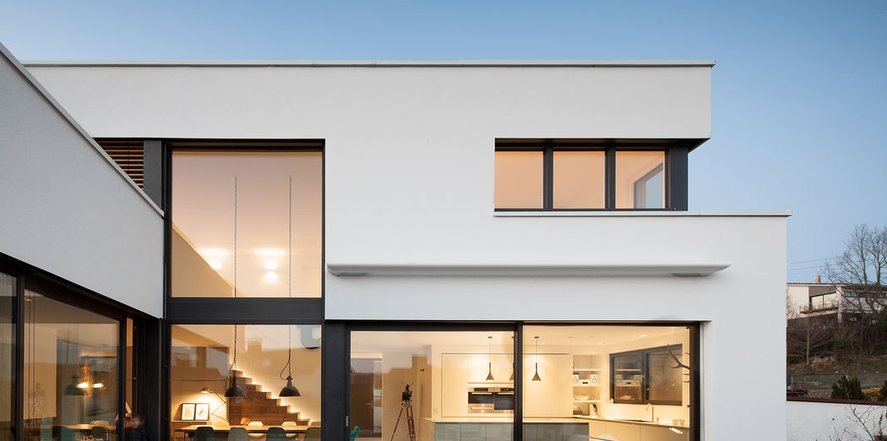


Windows need to do two jobs at once. They must resist unauthorized entry while allowing safe ventilation and emergency access. Securing windows therefore requires more than adding a lock. Homeowners should assess each opening by location, window type, hardware condition, and the needs of children or pets. A reliable approach combines compatible locks, hinges, restrictors, glazing, and sensors.
Key Takeaways:
- Replace weak single-point latches with compatible multi-point locking systems.
- Fit sliding windows with aligned hook locks and anti-lift protection.
- Limit openings to 4 inches, or about 102 mm, where children are present.
- Inspect alignment, fasteners, and corrosion before replacing individual parts.
Identify Vulnerable Windows
Ground floor and basement windows require attention first, particularly when shrubs, fences, bins, or low roofs provide concealment or access. Upper floor windows also need locks because ladders, flat roofs, and nearby structures can make them reachable.
Sliding windows have two common weak points. The hook may not enter its keeper fully, and excessive vertical clearance may allow the sash to be lifted from the track. Casement and awning windows are more dependent on handle condition, lock point engagement, hinge strength, and sash alignment.
Repair or investigate a window when you find:
- A loose handle, keeper, or hinge
- A sash that drops, drags, or shifts in the frame
- Rust, cracked parts, or screws that repeatedly loosen
- A lock that works only after the sash is pushed into position
These conditions indicate movement or wear within the system. Tightening a visible screw may not correct the underlying alignment problem.
Use Multi-Point Locks on Hinged Windows
A single-point latch holds the sash at one location. Pressure near another corner can twist the sash and create separation from the frame. A multi-point lock connects the sash and frame at several positions through one handle movement, distributing resistance around the perimeter.
The handle, drive gear, lock points, and keepers must be designed to work together. Adding extra keepers to an incompatible drive does not create a reliable multi-point system.
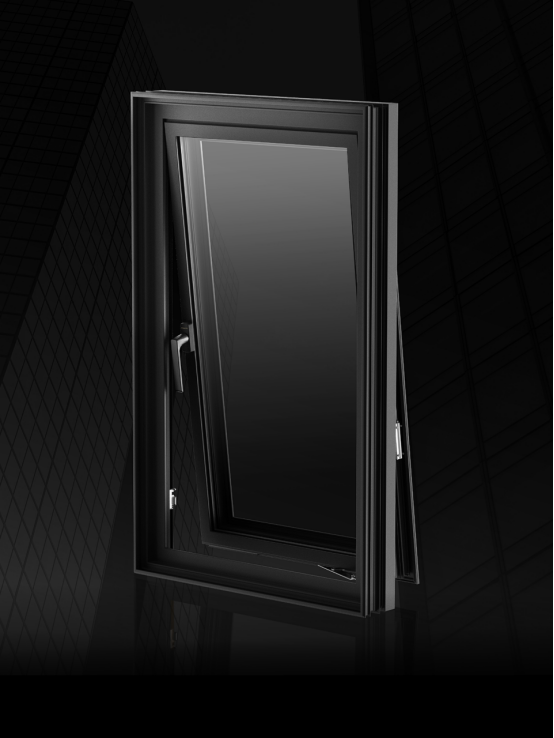
CMECH’s outswing awning window hardware solution combines a multi-point lock, limiting stay, and friction hinges. Multiple lock points also pull the sash toward the frame, which supports air tightness, water tightness, and wind pressure resistance. The 304 stainless steel friction hinge has been tested through more than 35,000 opening and closing cycles.
Choose Handles for Access and Child Safety
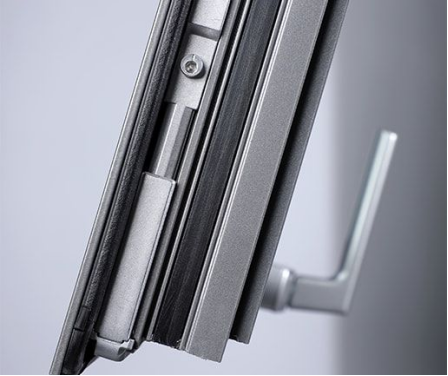
A key lockable handle can stop an intruder from breaking a small area of glass and operating an accessible casement window. Remove the key from the handle, but store it where household members can find it during an emergency. A window required for escape must remain usable under local fire rules.
Where children are present, use a purpose-designed child safe handle instead of improvised clips or cords. CMECH’s window with fly screen hardware solution includes a child lock handle intended to reduce unintended opening and related fall or finger pinch risks.
The handle is only one control point. A child safe handle should be combined with an appropriate opening restrictor when the window location creates a fall risk.
Protect Sliding Windows From Lifting and Prying
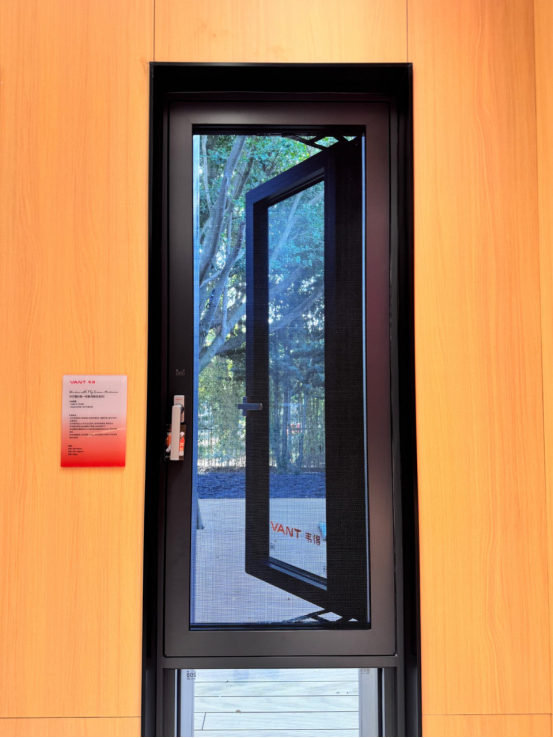
An anti-lift block reduces the vertical clearance above a sliding sash so that the sash cannot be raised out of the rail. A hook lock then resists horizontal pulling. Both components require correct alignment, since a hook that only touches the edge of its keeper provides limited resistance.
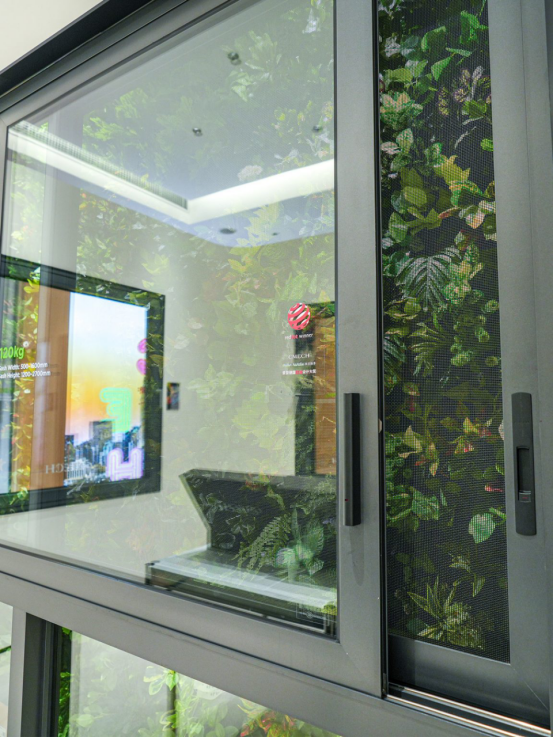
CMECH’s sliding window hardware solution uses an integrated handle and locking arrangement. Its S Metro Handle includes a child safety lock and a self-adjusting hook with plus or minus 3 mm compensation for profile tolerances. The adjustment helps the hook remain engaged when small installation differences would otherwise create play.
Roller condition affects security as well as operation. An overloaded or worn roller can lower the sash and move the hook away from its keeper. CMECH provides roller configurations for sash loads from 120 kg to 300 kg, with rubber-coated wheels tested through 120,000 cycles.
Control Upper Floor Openings
For homes with young children, use a window guard, safety stop, or opening restrictor suited to the window type.
Keep furniture away from windows and confirm that a child cannot release the restrictor. At the same time, follow local escape requirements. Some rooms need a guard or restrictor that an adult can release without tools.
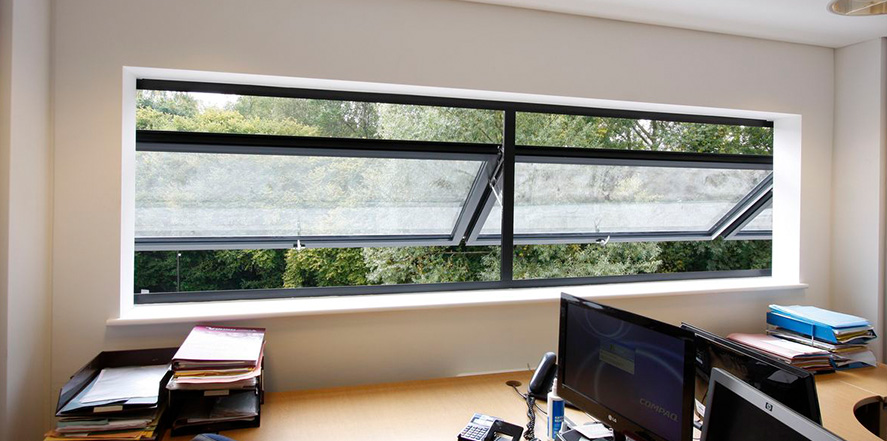
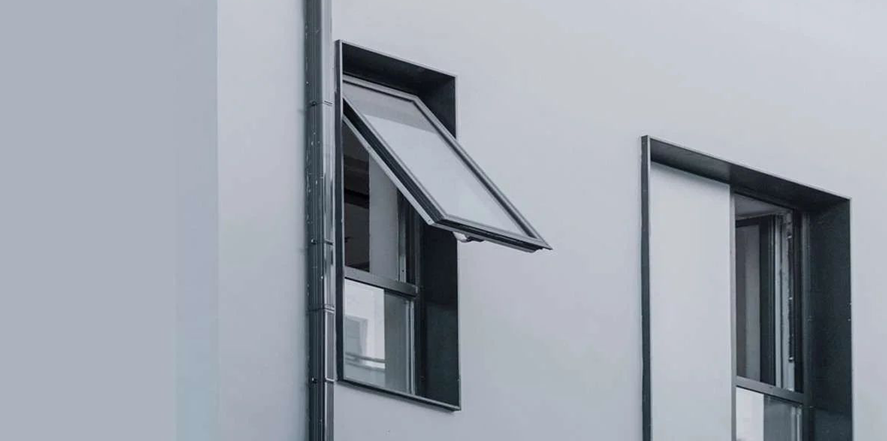
Heavy or wind-exposed sashes require secure support in addition to an opening limit. CMECH’s outswing casement and awning hardware solution combines restricting stays, an anti-drop sash support assembly, and an anti-misoperation module. Each component addresses a separate risk: excessive opening, sash drop, or incorrect handle operation.
Add Supporting Protection
Hardware should form the first physical barrier. Other measures support it:
- Laminated glass or security film: Delays access through the glazed area but does not replace a lock.
- Contact and vibration sensors: Report sash movement or glass impact but do not physically secure the window.
- Lighting and landscaping: Reduce concealment around accessible windows and remove objects that assist climbing.
Use each measure for its defined purpose. A sensor cannot compensate for a loose keeper, and security film cannot correct a sash that does not close squarely.
Maintain the Complete System
Include windows in seasonal maintenance and inspect them after severe weather. Check that every lock point enters its keeper, all screws remain secure, and hinges move without binding. Clean sliding tracks before adjusting rollers because debris can imitate a mechanical fault.
Corrosion resistance matters in coastal, humid, and high-exposure locations. Components made from 304 stainless steel and handles with appropriate surface treatments can reduce rust-related binding.
Specify Window Security as a Complete System
Window security should be addressed during system design rather than through isolated component upgrades. Handles, drive gears, locking points, hinges, restrictors, profiles, and sash loads must be evaluated together to achieve the required security, ventilation, durability, and child safety performance.
CMECH provides integrated window hardware solutions and technical support for window manufacturers, architects, developers, contractors, and distributors. If you are developing a window series or preparing a project specification, الاتصال us to review a compatible hardware configuration.

 English
 Arabic
 Chinese
 French
 Thai
 Vietnamese