



A child reaching a low sliding sash tests more than a handle. The opening path depends on rollers, track alignment, latch engagement, and the deliberate action required to release the lock. When those parts are specified separately, sliding window hardware may move smoothly yet fail to provide a dependable restriction for occupied family spaces, childcare rooms, and bedrooms.
Restricting a sliding window requires a deliberate relationship between sash travel and the locking mechanism. CMECH considers the lock, rollers, track, and user access together, so a housing provider can assess ventilation and child-safety requirements against the complete opening rather than the handle alone.
Restriction Starts With Controlled Sash Travel
A horizontal sash assembly carries its weight through roller brackets into the track. That load path determines whether the sash stays level as it moves toward a restricted position. If wheels or brackets permit sag, the latch approaches its keeper off-center, increasing handle force and weakening the predictable stopping point that a child-safety layout depends on.
Restriction is therefore not simply a small added lock. The opening limit must work with the panel’s rolling behavior, frame clearance, and the force needed to release the mechanism. A 120 kg roller selected for a lighter sash may be suitable, while a heavier glazing package can require a 180 or 300 kg configuration to preserve alignment.
For a childcare residence, we would inspect full travel, the intended ventilation gap, and latch engagement with the sash loaded. The purpose is to confirm that the sliding sash system reaches its permitted opening without bypassing the locking path. Sliding window hardware becomes safer when rolling motion and retention are checked together rather than assigned to separate trades during commissioning.
How Does Lock Geometry Create A Deliberate Opening?
A locking hook works by entering and retaining a receiving feature as the sash closes. Its geometry turns handle action into engagement, resisting unintended separation while the rollers support horizontal travel. The physical cause is the hook’s captured position; the engineering consequence is that a small sash displacement cannot simply convert into an unrestricted opening under ordinary pushing force.
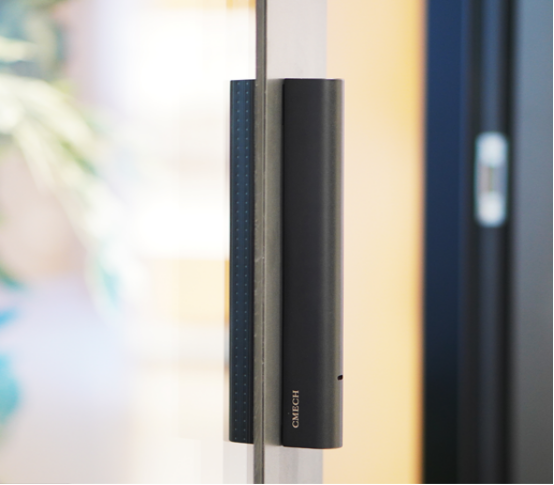
When specifying sliding window hardware, we verify the relationship between the lock, keeper, profile, and intended restricted gap. The S Metro Handle includes a built-in child safety lock and a self-adjusting hook with ±3 mm compensation for profile tolerances. We treat that adjustment range as alignment support, not a substitute for correct fabrication.
A reliable configuration gives an adult a clear, intentional release action while keeping routine contact from operating the sash freely. Automatic and manual locking variants can support different project procedures, but selection should follow supervision, user training, and access requirements. For project verification, we recommend checking smooth closure and lock engagement, along with any separately specified opening restriction.
Verification Connects Ventilation With Safe Retention
Ventilation design often creates the conflicting requirement: the room needs fresh air, but the opening must remain controlled. We resolve it by defining a target gap and testing the lock at that position after the sash has traveled on its loaded rollers. This confirms that the restriction is mechanical, repeatable, and not dependent on occupants judging distance.
The same inspection should include closure force and seal contact. A skewed gliding window configuration can make a hook seem secure on one side while leaving another edge poorly compressed. That can create rattling, draft paths, or a latch that needs excessive force. Correct roller setup protects both restraint behavior and the weather performance expected from the opening.
For facility managers, documentation matters as much as initial operation. We record the selected lock mode, roller load class, restricted gap, and adjustment condition for each window type. Door hardware can use parallel access-control logic, yet a sliding assembly needs travel-specific checks because moving mass, track cleanliness, and hook engagement interact at every cycle.
The Sliding Configuration Supports Child–Safety Projects
For a mid-rise family apartment program, the sliding window lock hardware configuration from CMECH combines the S Metro Handle, its built-in child safety lock, a self-adjusting hook, multi-layer roller brackets, rubber-coated wheels, and compatible locking parts. Automatic or manual locking versions can be matched to project procedures, while the quiet roller design supports everyday bedroom and living-room operation.
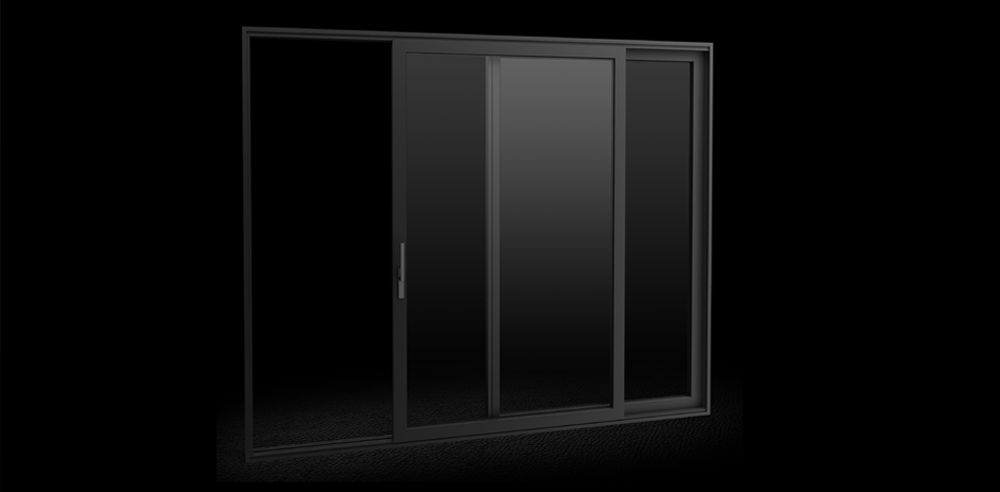
The system suits sashes from 500 to 1,600 mm wide and 300 to 1,800 mm high, with listed load-bearing capacity up to 300 kg. We can match 120 kg to 300 kg roller classes to the sash schedule, then check travel, lock engagement, and sealing as one commissioning sequence before handover to occupants and facility staff.
Our engineering verdict is specific: choose system-matched sliding window lock hardware for housing where child restriction must remain repeatable across many units. Add-on restraints may be considered for certain retrofit projects, while coordinated hardware configurations should be evaluated when sash weight, daily operation, ventilation requirements, and maintenance procedures need to be addressed together.
Restriction Works Only Within Whole Window Limits
A child-safe lock does not correct a damaged track, loose keeper, wrong roller class, poor profile machining, or unsuitable sill drainage. Sliding window hardware needs correct installation and periodic testing, especially after glazing replacement or adjustment. We recommend reviewing the complete moving assembly before treating a restricted opening as an approved safety measure.
At CMECH, we see child safety as a controlled operating path, not a single accessory claim. When sliding window lock hardware, sash travel, and inspection records remain aligned, project teams can support ventilation and everyday use with a more understandable margin of restraint for residents and caretakers.

 English
 Arabic
 Chinese
 French
 Thai
 Vietnamese