
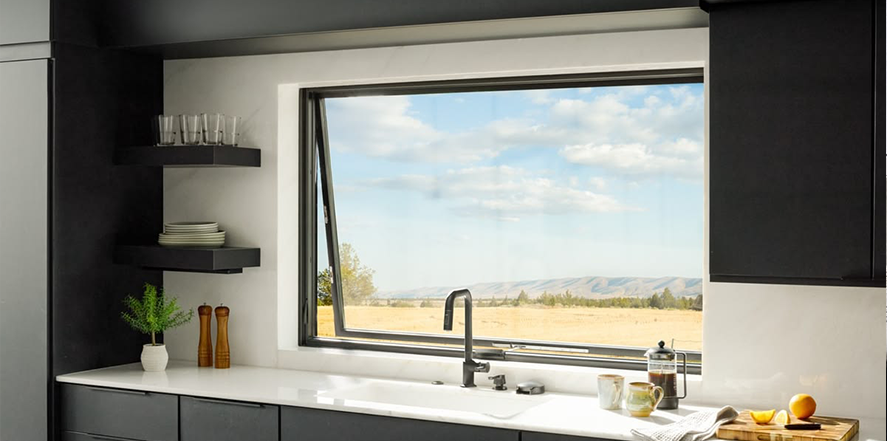


Educational buildings need window systems that support ventilation while keeping children and staff safe. Classrooms, libraries, and activity rooms often require fresh air, but window operation also needs careful planning. Hardware selection should consider daily use, safety requirements, and long-term maintenance.
For schools and learning facilities, suitable awning window hardware can help manage opening functions in a controlled way. The design of locks, hinges, and supporting parts affects how windows perform during regular operation. This article explains key points for applying safer awning window systems in educational spaces.
Understanding Safety Needs in School Window Applications
Windows in educational buildings are opened and closed frequently. Teachers, facility teams, and maintenance workers need hardware that is simple to operate and stable during repeated use. A proper locking structure can help reduce risks caused by incorrect operation.
When selecting awning window lock hardware, buyers should review locking points, window structure, and installation conditions. Different buildings may have different window profiles and usage patterns, so the hardware needs to match the project requirements.
Safety is not only related to the lock itself. Hinges, support arms, and connection parts also influence window stability. A complete evaluation helps project teams create a safer environment for students and staff.
Selecting Hardware With Reliable Structural Design
A complete awning window hardware system usually includes several components working together. The hinge supports the window movement, while locking parts help keep the window in the intended position. These elements should work together during daily opening and closing.
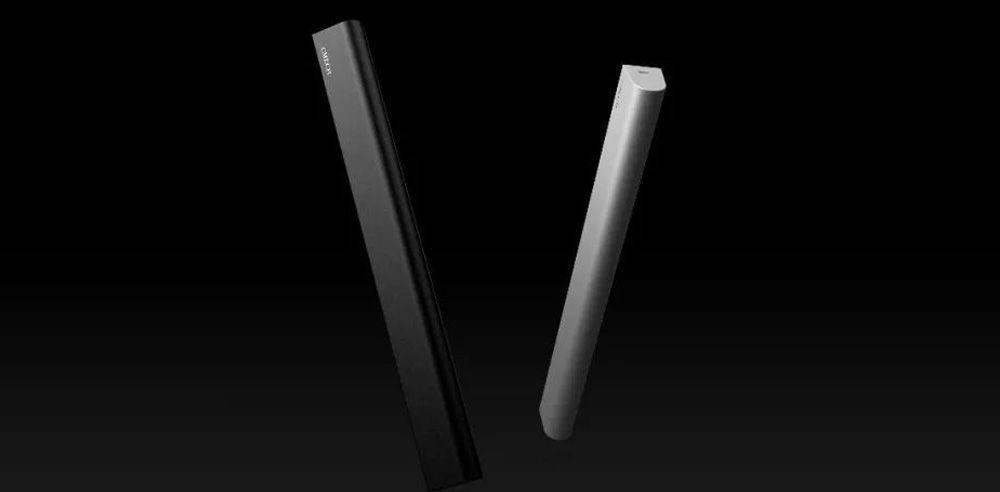
Our CMECH products focus on door and window hardware designs for professional applications. Our experience includes developing hardware solutions with attention to structure, appearance, and practical installation needs. We provide options for different project requirements through system-based designs.
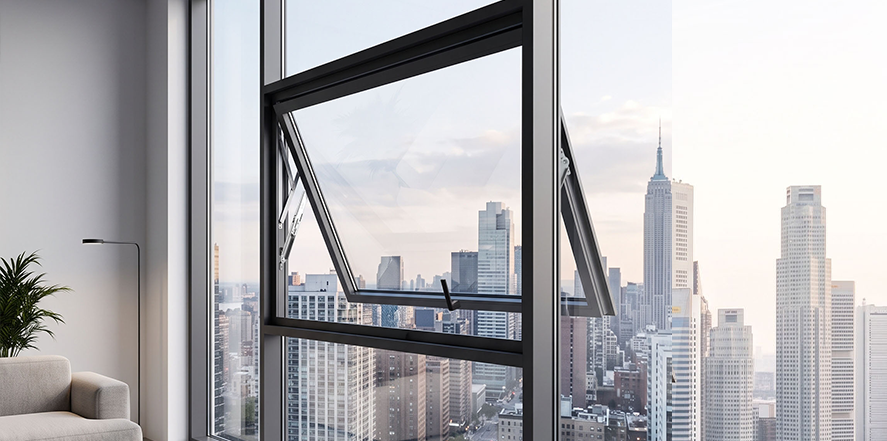
The OUTSWING AWNING WINDOW HARDWARE SOLUTION is available in standard and curtain wall configurations. It features a multi-point locking mechanism designed to support secure closure, sealing contact, and stable operation. For educational projects, the complete window assembly should also be assessed against the applicable opening-control and child-safety requirements.
Considering Hinge Performance and Installation Details
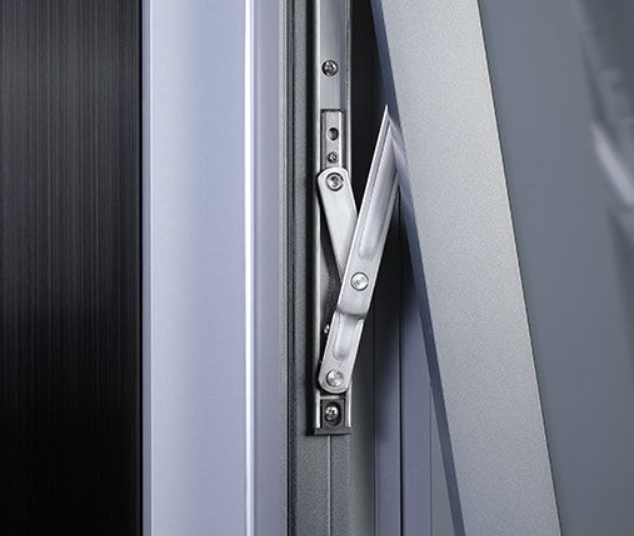
The friction hinge is an important part of outswing awning windows. The hinge needs to support smooth movement while maintaining connection strength during repeated operation. Material selection and structural design affect its performance over time.
The friction hinge in this system is built from 304 stainless steel and is available in C-groove and K-groove versions for different window profiles. Its hook design works with a reinforced 3.5 mm thick support arm and multiple 8 mm solid rivets.
The three-arm structure provides stable support for window operation. The hinge has also been tested through more than 35,000 open-and-close cycles, helping users understand its durability performance in practical applications.
Managing Long-Term Maintenance in Educational Projects
Facility managers often need to consider maintenance costs when choosing window hardware. Schools usually operate for many years, so hardware should support regular inspections and replacement planning. Clear product information helps teams prepare maintenance schedules.
Using suitable awning window lock hardware can simplify daily management because staff can better understand the locking structure and operation method. The right configuration also helps reduce problems caused by mismatched components.
CMECH supports professional partners with hardware knowledge and service resources for different markets. Our team works with project participants to discuss application needs and select suitable configurations for window systems.
Planning Hardware Selection For Different Buildings
Educational projects may include different window locations, such as classrooms, corridors, and shared activity areas. Each space may have different ventilation and operation needs. Reviewing these details before installation helps teams select suitable hardware combinations.
Contractors and architects also need to consider the relationship between window profiles and hardware components. A coordinated design can simplify installation work and support consistent performance across different areas of a building.
For large projects, awning window hardware choices should match building plans, user habits, and maintenance arrangements. This approach allows procurement teams to evaluate products based on actual application conditions instead of only individual features.
Creating Safer Learning Spaces Through Better Hardware Choices
The application of awning window hardware in educational buildings requires careful control of window movement and opening conditions. Classrooms, corridors, and other shared spaces often need natural ventilation, but window operation should also suit the way students and staff use the building.
For this reason, project teams should consider factors such as opening angles, sash stability, accessibility, and the position of operable windows. These details can influence how comfortably and safely windows are used during normal school activities.
Hardware should therefore be considered as part of the overall window design rather than as isolated components. Matching the operating method with the building layout can help schools achieve practical ventilation while reducing unnecessary operational risks.
Making Window Selection More Practical for Educational Facilities
Choosing awning window lock hardware for schools involves more than selecting a locking part. It requires consideration of safety, hardware coordination, installation efficiency, and future maintenance.
By understanding window movement and component functions, educational building owners and contractors can make clearer decisions. A suitable hardware system helps connect design requirements with daily use conditions.
For projects requiring outswing awning windows, the OUTSWING AWNING WINDOW HARDWARE SOLUTION provides a structured option with tested components and different configuration choices. We welcome professional partners to discuss project needs and explore suitable hardware arrangements. This type of evaluation allows teams to balance safety goals with practical project needs. It also supports clearer communication between designers, contractors, and facility managers during planning.
 English
 Arabic
 Chinese
 French
 Thai
Thai Vietnamese