
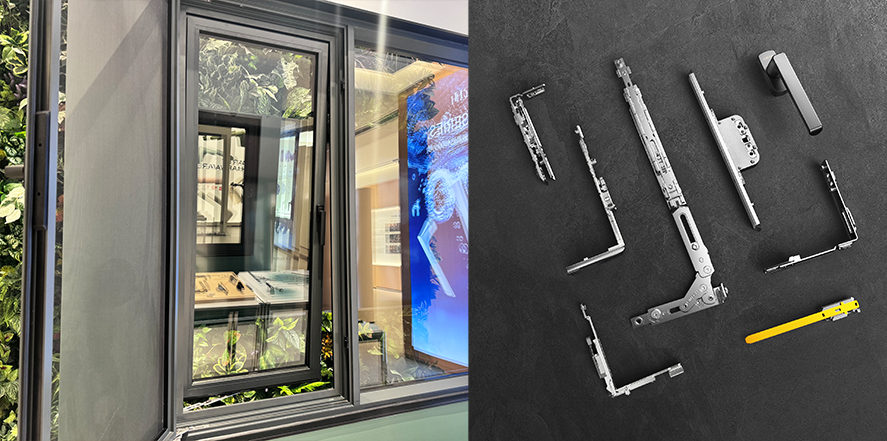


Choosing between a top hung window and a side hung casement comes down to how each window opens, seals, and performs in different weather and room conditions. Both styles share the same family of casement hardware but serve different practical needs. This guide compares the two, explains what to look for in supporting hardware, and shows how a manufacturer like CMECH engineers components for both configurations.
What Is a Top Hung Window?
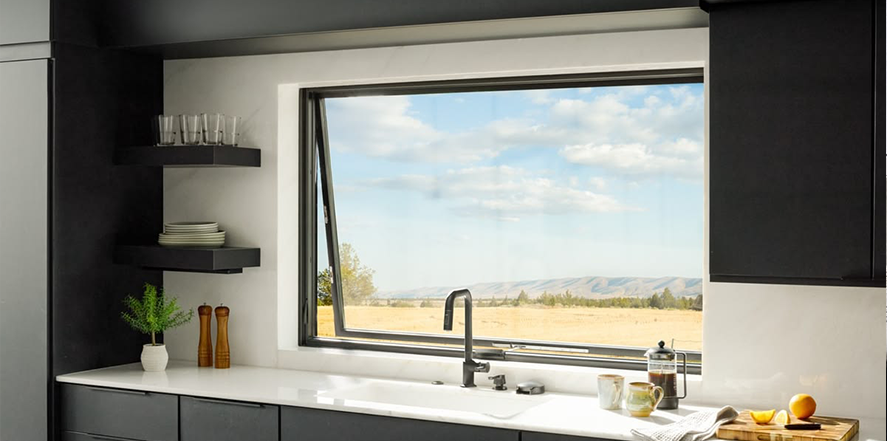
A top hung window, also commonly called an awning window, is hinged along the top of the frame and opens outward from the bottom, creating a small canopy shape.
Key Benefits
- Rain protection: The angled opening sheds water, allowing ventilation even during light rain
- Energy efficiency: A tight seal forms when closed, reducing air leakage and heat loss
- Flexible placement: Smaller sizes work well above doors, sinks, or in tight spaces with limited clearance
- Architectural interest: The outward canopy shape can add visual character to a facade
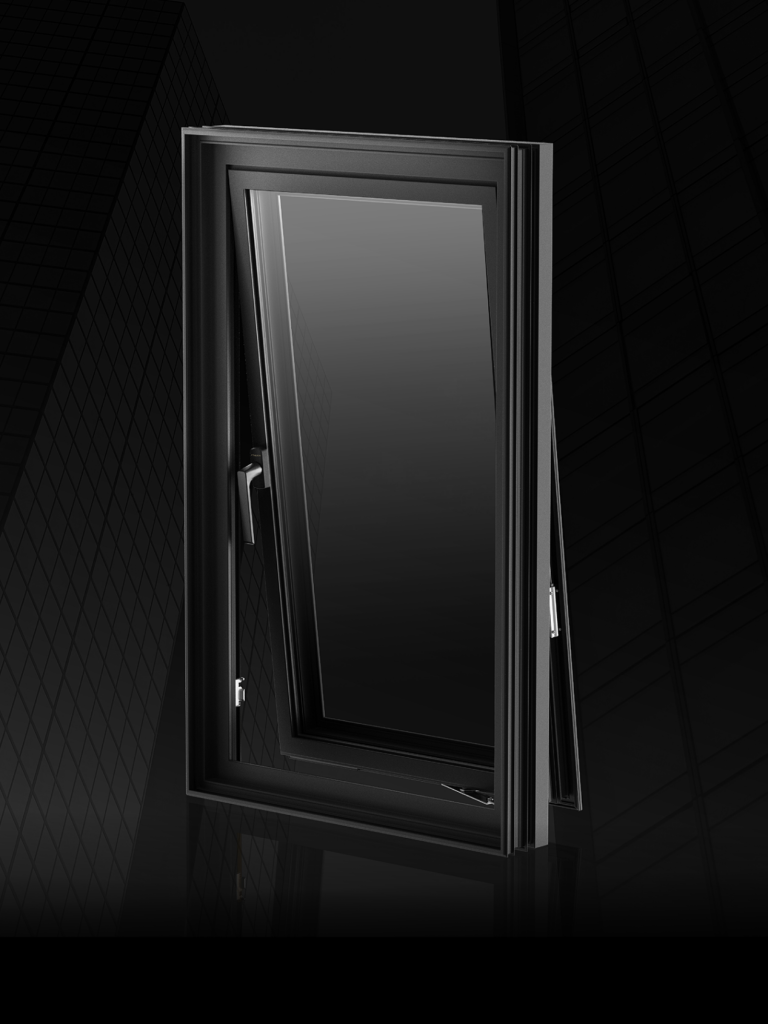
What Is a Side Hung Casement Window?
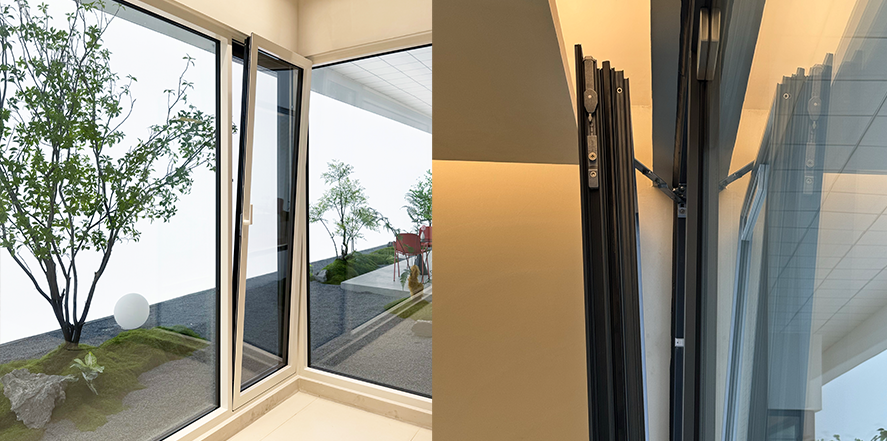
A side hung casement window is hinged on one vertical side of the frame and swings outward like a door, controlled by a crank or handle.
Key Benefits
- Maximum airflow: The full sash opens outward, catching breezes from a wider range of directions
- Unobstructed views: Large, uninterrupted glass panels offer a clear sightline
- Easy operation: A single crank can open or close the window with minimal effort
- Strong sealing: Multi-point locks pull the sash tight against the frame on all sides
Top Hung vs Side Hung: Key Differences
Both styles use similar hardware principles, but their performance differs in a few important areas.
Ventilation and Weather
- Top hung windows allow ventilation during rain due to their angled opening
- Side hung casements offer greater total airflow when fully open in dry conditions
Cleaning and Access
- Side hung casements are generally easier to clean from inside since the sash swings fully open
- Top hung windows placed at height can be harder to reach for exterior cleaning
Sizing and Placement
- Top hung windows suit smaller openings and higher placements
- Side hung casements work well for larger openings where unobstructed views matter
Many architects specify a top hung casement window alongside side hung units in the same project, combining ventilation control with flexible airflow across different rooms.
Choosing the Right Hardware for Either Style
Regardless of which style is selected, performance depends on the hinges, stays, and locking components behind the sash.
- Hinges: Should support the sash weight without sagging over repeated use
- Restricting stays or operators: Control how far the sash opens and prevent sudden movement in wind
- Locking systems: Multi-point locks improve both security and weather sealing
- Anti-misoperation features: Reduce the risk of hardware jamming or incorrect handling during daily use
Introducing CMECH
For projects that require flexibility between top-hinged ventilation and full outswing casement operation, CMECH offers a dual-mode hardware system engineered around several key components.
Hinge
- Upper and lower hinges use a double-baseplate design for added stability
- The upper hinge’s load-bearing arm is built from up to 3.5 mm thick stainless steel to resist long-term deformation
- An anti-derailment hook keeps the sash secure under heavier loads while allowing 3D indoor adjustment
- The lower hinge includes a gear mechanism secured by three screws to prevent sudden closure during strong wind
Sash Support Assembly
- Combines a dual-fixation corner drive with a double hanging support structure
- An anti-drop mechanism works alongside it to prevent the sash from sagging during outswing operation
Restricting Stay
- Available in 6, 8, and 9 inch sizes to fit different sash widths
- A barbed connecting clamp grips the profile securely for added stability
Anti-Misoperation Module
- Uses dual corner drives with a double-bump keeper design
- A built-in U-shaped flat spring provides rebound force that prevents lever jamming and reduces the risk of misuse
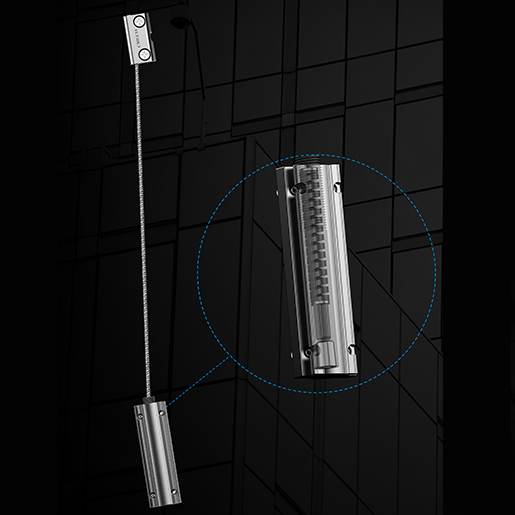
Counterbalance Rope Mechanism
- A specially shaped spring increases load capacity and prevents secondary sagging
- The steel rope supports a static load capacity of up to 550 kg
This system supports sash widths from 425 mm to 800 mm, sash heights from 670 mm to 2,000 mm, and a load-bearing capacity of up to 80 kg, making it suitable for both top hung ventilation and full outswing casement configurations within the same hardware platform.
Which Should You Choose?
The right choice depends on the specific project.
- Choose a top hung window for bathrooms, kitchens, or high placements where rain protection matters
- Choose a side hung casement for living rooms or bedrooms where airflow and views are the priority
- Consider a dual-mode top hung casement window where flexibility is needed across varying room types
Working with an established supplier such as CMECH gives architects and developers access to rigorously tested, high-performance hardware systems designed for diverse climates and applications. With its integrated solutions, consistent quality standards, and global project experience, CMECH helps ensure reliable, long-term performance across different window configurations throughout an entire building.
 English
 Arabic
 Chinese
 French
 Thai
Thai Vietnamese