
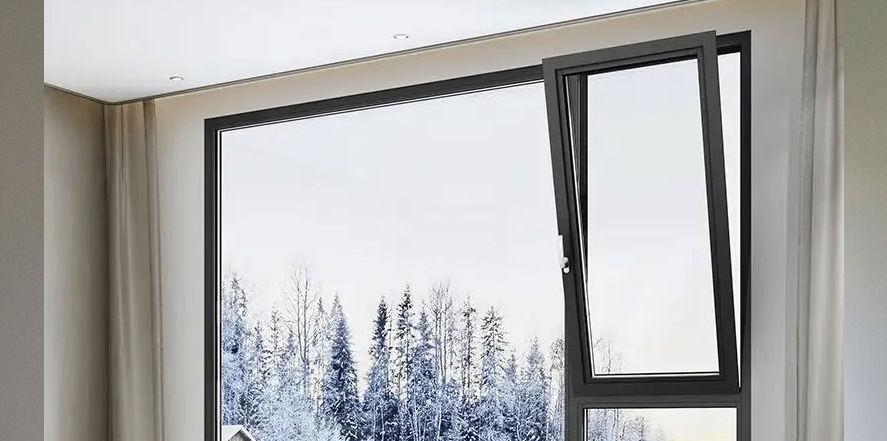


Modern tilt and turn windows are distinguished by how their hardware coordinates two opening functions within one window configuration. For developers, designers, engineering contractors, and window manufacturers, the hardware behind this operation is an important part of the overall window design.
For projects in the Middle East and Southeast Asia, hardware selection also needs to consider sash dimensions, operating requirements, appearance, installation, and maintenance.
What Makes Modern Tilt and Turn Windows Different?
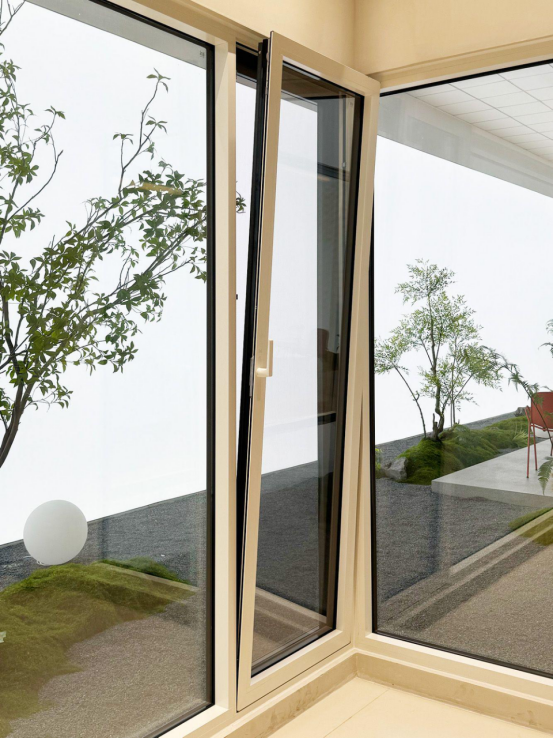
Modern tilt and turn windows combine two opening positions through a coordinated hardware arrangement, allowing the sash to turn for wider opening and tilt for ventilation.
How Do Tilt and Turn Windows Combine Two Opening Functions?
A tilt and turn window uses one hardware arrangement to support both turning and tilting operations. EN 13126-8:2017 sets out requirements and test procedures for relevant window hardware, providing a technical reference for hardware specification.
This configuration gives designers flexibility when planning ventilation and access. The handle, drive parts, locking points, hinges, and supporting components therefore need to work as a coordinated arrangement.
Why Does Hardware Configuration Matter to Window Design?
Hardware configuration affects how the sash moves, where components are positioned, and how much hardware remains visible after installation.
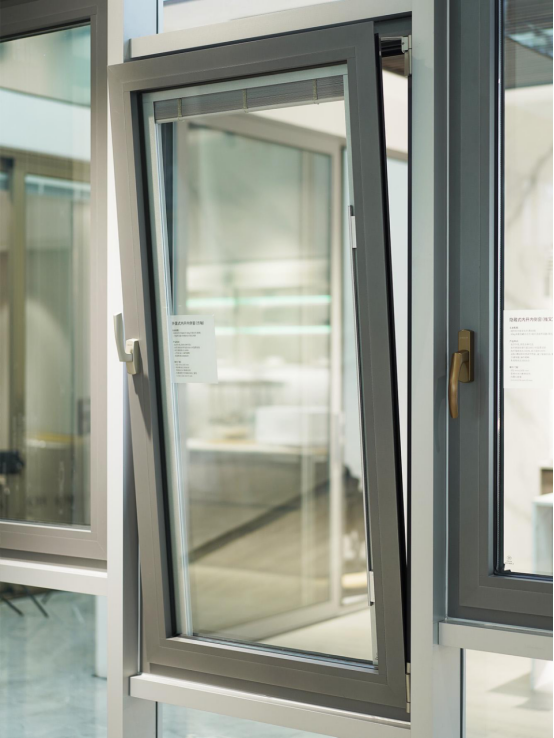
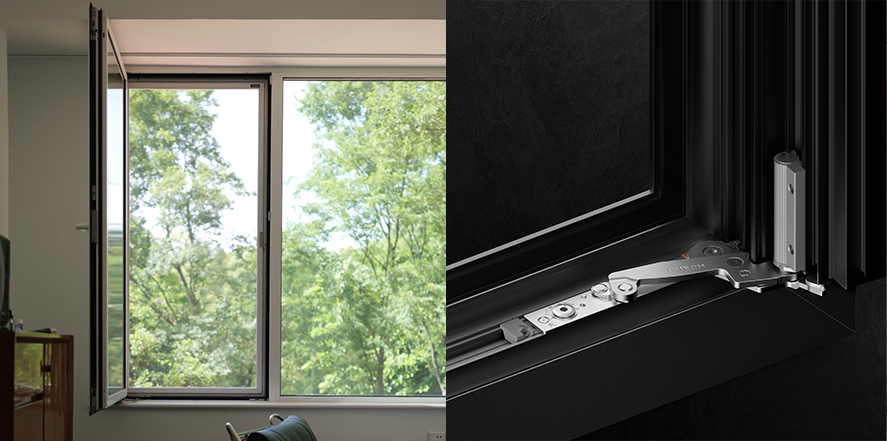
A concealed configuration places the hinge structure within the window assembly, reducing visible hardware around the sash and frame. CMECH describes its concealed configuration as combining concealed hinges with selected handles for a cleaner window appearance.
What Hardware Components Define a Tilt and Turn Window?
A complete tilt and turn configuration relies on coordinated handles, drive parts, locking components, hinges, and load-bearing parts.
How Do Handles and Drive Parts Control Window Operation?
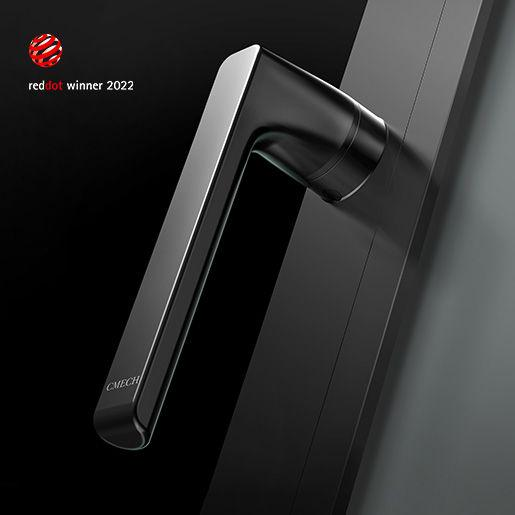
Handles and drive parts translate user movement into the required window operation. When the handle is turned, the drive mechanism distributes movement through the hardware arrangement to achieve the appropriate opening or locking position.
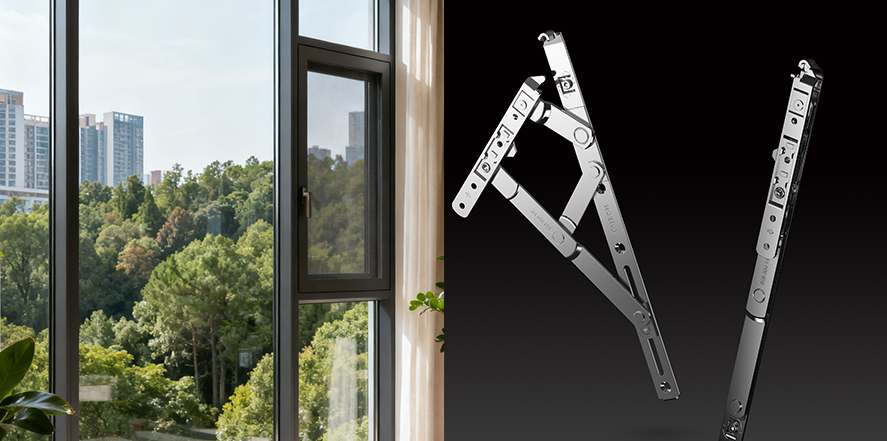
CMECH’s concealed configuration includes handles, drive parts, lock parts, load-bearing parts, and accessories as part of the overall hardware arrangement.
What Role Do Hinges and Locking Components Play?
Hinges support sash movement and load, while locking components help secure the sash in the required position.
CMECH’s concealed-hinge configuration offers hinge load ratings from 80 kg to 130 kg and uses 304 stainless steel support arms. These components should be selected according to the actual sash requirements rather than independently.
| Hardware area | Main consideration | Why it matters |
| Xử lý | Operating position and design | Supports operation and visual coordination |
| Drive parts | Compatibility | Transfers handle movement |
| Lock parts | Locking arrangement | Supports controlled closing |
| Bản lề | Load rating | Supports sash movement and weight |
| Phụ kiện | Configuration compatibility | Completes installation |
How Should Sash Size and Weight Influence Hardware Selection?
Sash dimensions and weight should be checked against the manufacturer’s specified application range before procurement.
CMECH’s concealed-hinge configuration lists a sash width of 490–1,200 mm, a sash height of 600–2,800 mm, and a maximum load-bearing capacity of 130 kg. The applicable range and load rating should be confirmed for the specific configuration before procurement. These figures apply specifically to this configuration and should not be generalized to other hardware.
Why Are Concealed Hardware Configurations Used in Modern Tilt and Turn Windows?
Concealed hardware is used when project teams want the hardware to support window function while maintaining a less visually exposed appearance.
How Do Concealed Hinges Affect Window Appearance?
Concealed hinges reduce the amount of hinge hardware visible around the window, helping create a more consistent frame and sash appearance. This configuration can also reduce the need to coordinate exposed hinge finishes with frame colours, giving designers and window manufacturers greater flexibility when planning the overall window appearance.
Hidden hardware can reduce the need to coordinate exposed hinge finishes with frame colours, although finish compatibility should still be confirmed with the supplier.
This can be relevant when designers want a restrained appearance across different interior styles. It can also reduce the need to visually coordinate exposed hinge finishes with frame colours, although finishing requirements should still be confirmed with the supplier.
What Should Designers Consider Beyond Hardware Appearance?
Designers should evaluate appearance together with sash dimensions, hardware capacity, operating method, installation, and maintenance.
EN 13126-8:2017 specifies requirements and test procedures for the durability, strength, security, and function of tilt and turn, tilt-first, and turn-only hardware components or sets within its scope. Product information and maintenance instructions should also be considered during specification.
How Does CMECH Approach Tilt and Turn Window Hardware?
CMECH provides a concealed-hinge Tilt & Turn configuration that combines operating, locking, hinge, and load-bearing components within one coordinated hardware solution.
What Does CMECH’s Concealed-Hinge Configuration Include?
CMECH’s Tilt & Turn concealed configuration includes handles, drive parts, lock parts, load-bearing parts, and accessories, with concealed hinge options designed for different load requirements.
The configuration combines functional requirements with a cleaner visual result. For buyers looking for a Cửa sổ xoay và lật, the concealed-hinge configuration provides a reference for evaluating how the individual hardware elements are coordinated.
Which Product Specifications Should Buyers Check?
Buyers should compare sash width, sash height, and load-bearing requirements with the manufacturer’s documented range.
| Specification | CMECH concealed Tilt & Turn configuration |
| Chiều rộng khung cửa sổ | 490–1,200 mm |
| Chiều cao khung cửa sổ | 600–2,800 mm |
| Chịu tải | ≤130 kg |
| Hinge load ratings | 80–130 kg |
| Hinge support material | 304 stainless steel |
These specifications are published for CMECH’s concealed configuration and should be verified against the final window design before ordering.
How Should Buyers Evaluate a Complete Tilt and Turn Hardware Solution?
A suitable hardware solution should match the window design, operating requirements, documented specifications, and installation conditions.
What Should Developers and Window Manufacturers Confirm Before Procurement?
Developers and window manufacturers should confirm sash dimensions, sash weight, opening direction, hardware configuration, component compatibility, and applicable technical requirements.
A practical procurement review can include:
- Confirm sash width and height.
- Verify finished sash weight.
- Select the appropriate hinge load range.
- Confirm handle and drive-part compatibility.
- Review locking and load-bearing components.
- Check installation and maintenance requirements.
This helps prevent individual components from being selected without considering their compatibility.
How Can Hardware Selection Support Project Design and Installation?
Hardware selection can support project coordination when designers, contractors, window manufacturers, and hardware suppliers work from the same configuration information.
For Middle East projects, this can help align architectural requirements with fabrication requirements before production. In Southeast Asian projects, the same approach allows designers to address appearance while manufacturers work with defined hardware parameters.
As a door and window hardware company, CMECH provides hardware configurations that allow project teams to consider design requirements alongside documented technical parameters.
Conclusion: What Should Define a Modern Tilt and Turn Hardware Configuration?
Modern tilt and turn windows should combine coordinated hardware, appropriate load capacity, compatible sash dimensions, suitable operating functions, and a configuration that fits the architectural design.
The hardware should therefore be evaluated as a complete configuration, from handles and drive parts to hinges, locking components, and load-bearing elements. CMECH’s concealed-hinge Tilt & Turn configuration demonstrates how these requirements can be considered together while maintaining a restrained visual appearance.
For developers, designers, engineering contractors, and window manufacturers, reviewing these factors before procurement can make specification clearer and help confirm that the selected hardware aligns with the actual window design.

 English
 Arabic
 Chinese
 French
 Thai
 Vietnamese