



Windows are often evaluated by their glass, frame materials, and visual design, but the hidden components behind smooth operation and long-term performance are equally important. Window hardware determines how easily a window opens, closes, locks, and withstands repeated use over time.
For architects, contractors, manufacturers, and property developers, selecting the right hardware system is not simply about choosing handles or hinges. The real challenge is finding components that work together to support security, durability, design requirements, and user comfort.
From window latch hardware that controls locking performance to hinges that support movement and weight, every component contributes to the final window experience. Understanding these parts helps professionals choose suitable solutions for different building applications.
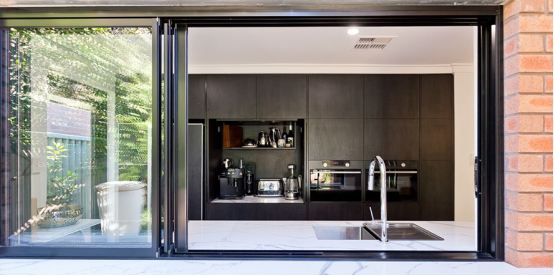
What Are the Main Components of Window Hardware Systems?
A complete phần cứng cửa sổ system includes multiple connected components that control movement, locking, and structural support. Each part has a specific function, and the entire system must work together to achieve reliable performance.
| Component | Main Function |
| Window handle | Controls opening, closing, and locking operations |
| Latch and locking parts | Improve security by keeping the window securely closed |
| Bản lề | Support window movement and carry operational loads |
| Hộp số dẫn động | Transfers handle movement to locking mechanisms |
| Phụ kiện | Improve compatibility and installation efficiency |
How Do Window Handles, Latches, and Hinges Work Together?
Window handles, latches, and hinges work as an integrated mechanism rather than independent parts. When a user turns the handle, internal drive components transfer movement to locking points while hinges guide the sash movement.
For example, a handle may appear to be the most visible part of a window, but its performance depends on the internal hardware structure behind it. If the locking mechanism and hinge system are not properly matched, users may experience difficult operation, uneven closing, or reduced durability.
This is why professional projects usually select complete door and window hardware systems instead of combining unrelated components from different suppliers.
A compatible hardware system helps ensure:
- Consistent operation between different components
- Easier installation and maintenance
- Improved long-term reliability
- Better user experience after installation
Why Is Window Latch Hardware Important for Security and Daily Operation?
Window latch hardware plays a critical role because it controls how securely a window closes and locks. A poorly designed latch system can affect both safety and convenience.
In residential buildings, secure locking helps create a more comfortable living environment. In commercial projects, reliable locking mechanisms help reduce maintenance issues caused by frequent daily operation.
However, choosing latch hardware requires more than checking whether a window can lock. Professionals also need to consider:
- Window type
- Opening frequency
- Weight requirements
- Environmental conditions
- Compatibility with other hardware parts
A complete hardware system ensures that the latch, handle, and hinge components operate as one coordinated solution.
How Do Different Window Hardware Solutions Meet Different Project Needs?
Different window designs require different hardware systems because opening methods, structural requirements, and user expectations vary. The right solution depends on the application rather than a one-size-fits-all approach.
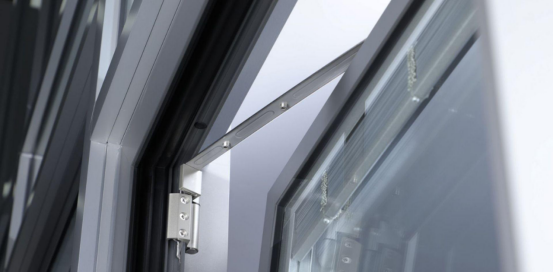
| Window Type | Typical Hardware Considerations |
| Casement windows | Hinges, locking systems, handles, and drive mechanisms |
| Tilt and turn windows | Dual-function operating hardware and supporting hinges |
| Sliding windows | Sliding mechanisms and space-efficient handles |
| Commercial projects | Higher durability and consistent operation requirements |
What Is the Difference Between Casement and Tilt and Turn Window Hardware?
Casement and tilt and turn windows use different operating methods, which means their hardware requirements are also different.
Casement window hardware focuses on controlled outward or inward opening through hinges, handles, and locking components. The hardware must support smooth movement while maintaining secure closure.
Tilt and turn systems provide two opening functions: tilting for ventilation and turning for wider access. Because the window operates in multiple directions, the hardware system must coordinate several movements through one mechanism.
For example, CMECH provides different window hardware solutions including outswing casement window hardware and tilt and turn window systems designed for different application requirements.
The selection process should consider:
- How frequently the window will be operated
- The required opening style
- The expected load on hinges and supporting components
- The design requirements of the building
How Should Businesses Choose Hardware Based on Window Type and Usage?
Businesses should choose hardware by matching technical requirements with project conditions instead of selecting products based only on appearance.
For example, a high-rise residential project may prioritize secure locking and long-term durability, while an office project may focus more on frequent operation and minimalist appearance.
A practical selection process includes:
- Identify the window system:Different window structures require different hardware combinations. Sliding windows, casement windows, and tilt and turn windows cannot use identical solutions.
- Evaluate performance requirements:Consider factors such as load capacity, opening frequency, and environmental exposure.
- Select an integrated supplier:Working with a supplier that provides complete systems reduces compatibility risks during manufacturing and installation.
How Does CMECH Provide Complete Door and Window Hardware Solutions for Different Performance Requirements?
CMECH provides coordinated door and window hardware solutions covering different applications, helping architects, designers, developers, and window manufacturers address both functional and design requirements.
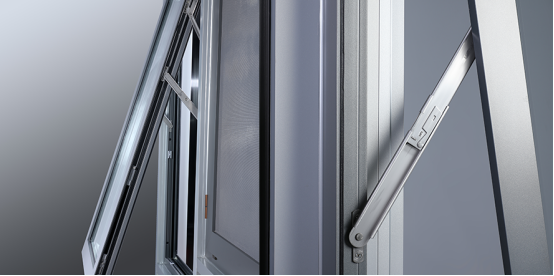
What Window Hardware Solutions Does CMECH Provide for Different Applications?
CMECH offers several window hardware categories, including:
- Outswing casement window hardware
- Tilt and turn window hardware
- Sliding window hardware
- Handles, drive parts, locking parts, and supporting components
This system-based approach can help reduce compatibility problems because related components are considered together instead of being selected separately.
For example, CMECH’s Classic Series outswing casement window hardware includes a spindle drive gearbox, friction hinge, and handle options. The CMECH Classic Series spindle drive gearbox is tested for 30,000 open-close cycles, while its 304 stainless steel friction hinge supports up to 50 kg in the specified configuration.
These specifications provide concrete reference points when manufacturers evaluate hardware for repeated operation and load requirements.
How Do CMECH Hardware Systems Address Common Window Performance Challenges?
CMECH addresses common hardware challenges by combining coordinated components with application-specific designs rather than treating each hardware part as an isolated product.
| Project Challenge | Hardware Approach |
| Difficult operation | Coordinated handle and drive mechanisms |
| Frequent maintenance | Components tested for repeated use |
| Compatibility issues | Complete system-based solutions |
| Design limitations | Multiple handle styles and configurations |
For example, CMECH’s Turn Handle Series uses a soft-rebound mechanism designed for smooth operation. Its Recessed Handle Series is developed for sliding doors and windows where reduced visual lines are required.
This allows manufacturers and designers to consider mechanical function and architectural appearance together.
What Business Outcomes Can the Right Hardware System Support?
The right hardware system can support product reliability, installation efficiency, user satisfaction, and long-term maintenance planning because compatible components are selected as a coordinated system.
For manufacturers, this can simplify hardware selection during product development. For architects and developers, it can make it easier to align operational requirements with design expectations.
Why Is Interior Sliding Door Hardware Becoming Important in Modern Spaces?
Interior sliding door hardware is increasingly important because sliding systems support flexible layouts, clean visual lines, and efficient use of space. Unlike swinging doors, sliding systems depend on suitable handles and supporting hardware for smooth operation and proper integration.
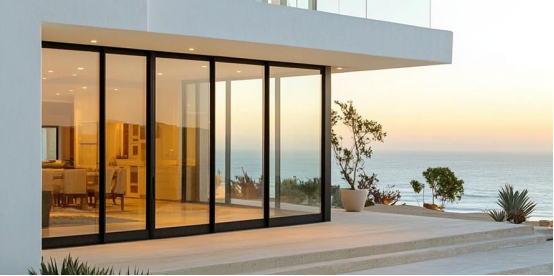
How Does Sliding Hardware Improve Modern Interior Design?
Sliding hardware allows doors to move without requiring additional swing space, making it suitable for:
- Residential partitions
- Office meeting rooms
- Hospitality spaces
- Contemporary interiors
However, buyers should consider both appearance and performance, including door or window weight, frequency of use, installation space, and system compatibility.
CMECH’s Recessed Handle Series is designed for sliding doors and windows, combining simplified visual lines with functional operation.
Conclusion: Why Should Businesses Pay More Attention to Window Hardware?
Window hardware is not just a collection of small mechanical parts; it is the system that allows windows to perform safely, smoothly, and consistently throughout their service life.
From window latch hardware that supports secure closing to hinges and drive mechanisms that control movement, every component affects the final user experience.
For modern construction projects, choosing the right window hardware means evaluating compatibility, durability, design requirements, and application conditions together.
CMECH provides complete door and window hardware solutions that help manufacturers, architects, and developers select coordinated systems for different project needs. By combining functional engineering with design-focused solutions, CMECH supports better-performing windows and doors for residential, commercial, and architectural applications.

 English
 Arabic
 Chinese
 French
 Thai
 Vietnamese