


Commercial window projects often compare inward opening casement systems with standard gliding structures. Their load paths are different. An cửa sổ dạng hất quay vào trong transfers sash weight through hinges and frame connections, while a sliding sash carries much of its weight through rollers and tracks.
For project teams, this difference affects hardware selection, frame preparation, locking design, adjustment, and maintenance. We recommend reviewing the complete operating structure before comparing prices or choosing a standard hardware set.
How the Load Path Changes
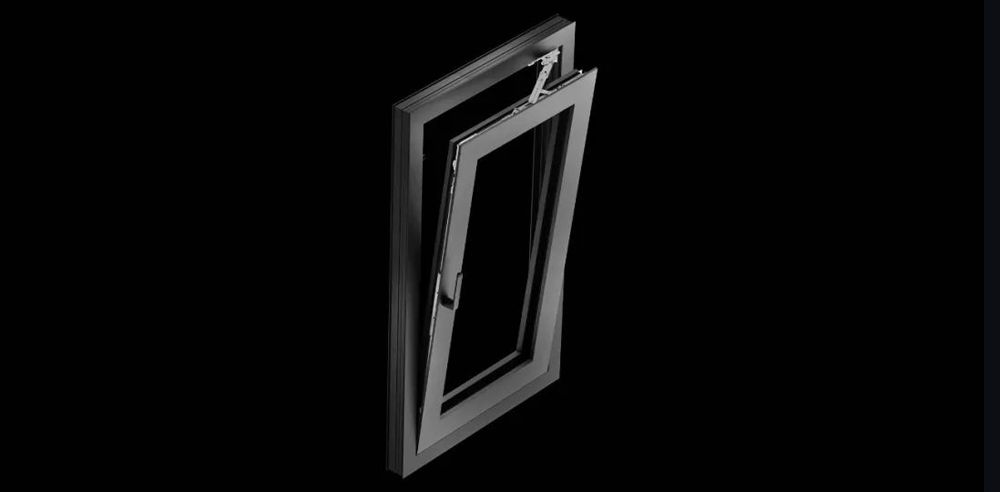
A hinged sash creates vertical load at the hinge side and added leverage as the sash opens inward. The farther the sash weight sits from the hinge line, the more carefully hinge capacity, frame stiffness, and fixing points need review.
A double inswing casement window adds another layer because two moving leaves share one opening. The active and passive leaves must work together around the meeting area. Their weight, locking sequence, and frame support should be checked as a coordinated system rather than as two separate windows.
Standard gliding systems behave differently. Rollers transfer sash weight into the lower track, while guides control horizontal movement. Buyers should therefore review roller capacity, track alignment, drainage, and the condition of the running surface.
Why Double Sash Formations Need More Review
For an inswing casement window, sash dimensions and glass weight influence hinge selection. Tall or heavy sashes can also increase adjustment demands. We suggest providing sash size, profile material, glass build up, opening direction, and expected use before a hardware configuration is confirmed.
With a double inswing casement window, the central meeting area becomes especially important. Project teams should review how the passive leaf is secured, where locking forces are transferred, and whether the frame has enough stiffness to keep both leaves aligned during repeated operation.
These checks matter because structural behavior affects more than installation. It can also influence sealing, operating feel, adjustment frequency, and the long term consistency of the opening.
Locking Points Support More Than Security
Locking hardware does not only keep a sash closed. Multiple locking points can distribute closing pressure around the perimeter, helping the sash sit more evenly against seals and frame contact surfaces.
Our inswing casement hardware solution offers concealed, exposed, and integrated fly screen configurations for different project needs. Its multi-point locking arrangement is designed to support consistent sash-to-frame contact and secure closure. Overall air tightness, water tightness, and wind-load performance should be verified at the complete-window level, taking the profile, glazing, seals, fabrication, and installation into account.
For a double inswing casement window, the locking sequence of both leaves should be reviewed together. A project team should confirm the active leaf, passive leaf, meeting stile, locking positions, and adjustment method before finalizing the hardware list.
Concealed Hardware Changes the Design Discussion
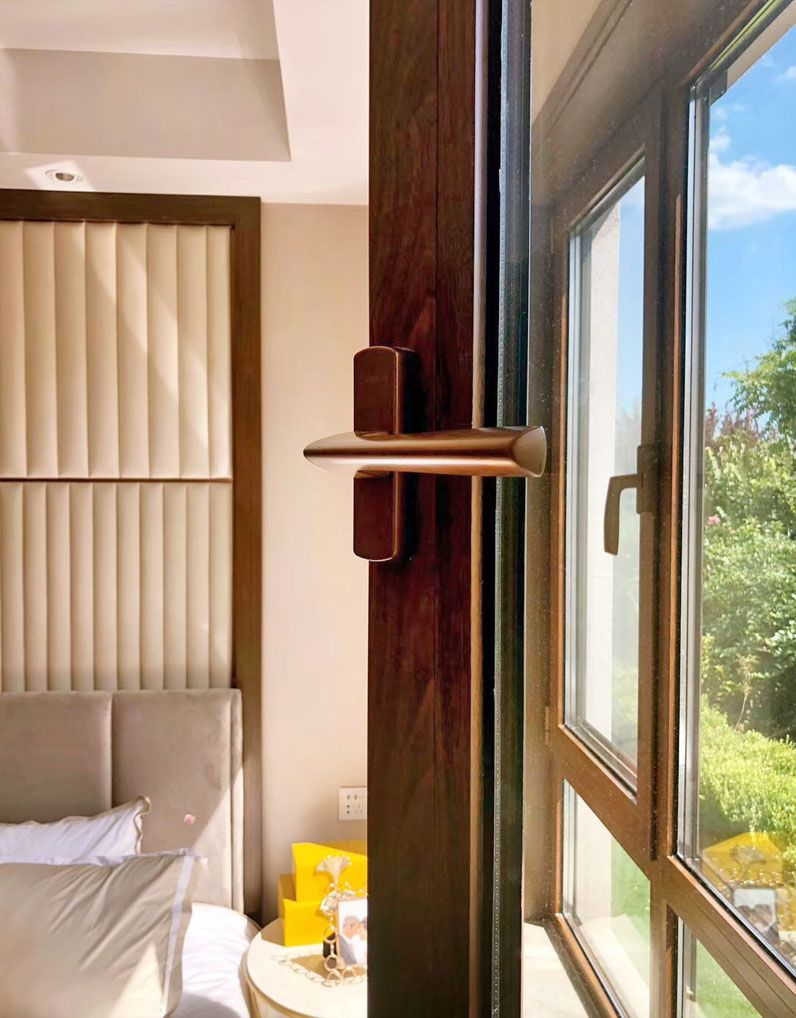
Visible hinges and base mounted handles become part of the interior appearance. In projects that favor cleaner sightlines, concealed hinges and baseless handles can reduce visible hardware and support a simpler window design.
At CMECH, we focus on concealed hardware and baseless handle options while still treating appearance as one part of the specification. The hardware must also match sash load, opening geometry, profile conditions, installation tolerances, and expected operating frequency.
Surface treatment should be reviewed at the same stage. Coastal, humid, or high temperature environments can place different demands on hardware. We recommend discussing finish requirements with the project environment instead of choosing a surface only by color.
Casement and Gliding Systems Have Different Maintenance Points
A standard gliding window keeps the sash within the frame plane during operation. It can suit spaces where interior swing area is limited. Maintenance usually focuses on tracks, rollers, drainage paths, and keeping the running surface free from dirt.
An inswing casement window needs attention around hinges, handles, locking components, and sash alignment. Because the sash opens inward, technicians can access hardware from the interior, but the system still needs correct adjustment to maintain smooth movement and perimeter contact.
Neither structure should be selected only by appearance. We recommend comparing opening area, sash weight, user behavior, cleaning access, wind exposure, and maintenance needs before deciding which formation suits the project.
Testing and Supply Complete the Evaluation
Structural design should be supported by verification and production control. Our quality process includes 15 categories of dedicated testing, and relevant hardware has ift European standard certification. These checks give project teams another reference when reviewing load, operation, corrosion resistance, and repeated use.
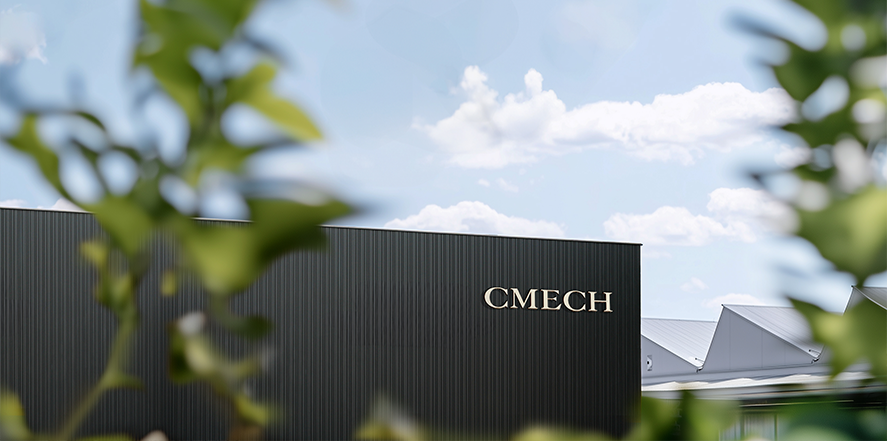
At CMECH, we operate a 70,000-square-meter research and production base with an annual capacity of 20 million hardware sets. Our experience in hardware design and manufacturing can be traced back to the 1990s. We also hold more than 400 patents, provide a 10-year hardware warranty, and maintain more than 100 sales and service points worldwide.
For distributors and project buyers, stable supply matters after specification approval. We suggest confirming samples, finish, hardware configuration, packaging, and delivery stages before bulk scheduling, especially when several sash sizes or double leaf formations are included in one project.
A Better Specification Starts With Structural Logic
The key difference between hinged and gliding systems is how they carry and control movement. Hinged formations depend on hinges, frame connections, and distributed locking, while gliding systems rely more heavily on rollers, tracks, and horizontal alignment.
By reviewing sash data, load paths, locking points, concealed design, maintenance, testing, and delivery together, project teams can build a specification around actual use rather than a generic hardware list. That gives us a clearer basis for technical discussion and helps buyers compare window formations with fewer assumptions.
 English
 Arabic
 Chinese
 French
 Thai
 Vietnamese