
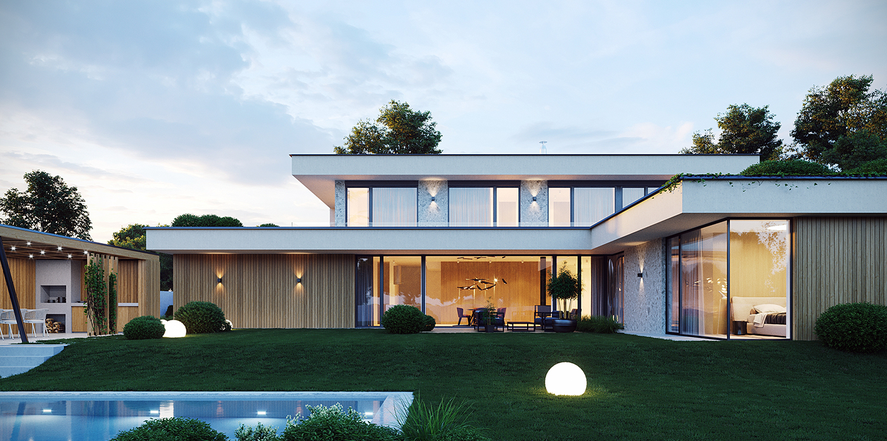


Minimalist architecture has changed how designers evaluate window hardware. With slim profiles, expansive glazing, and uncluttered interiors becoming increasingly common, a window latch must do more than secure an opening. It should feel intuitive in the hand, complement the surrounding architecture, and maintain reliable performance through repeated use. For architects, designers, developers, and window manufacturers, modern phụ kiện cửa sổ lật therefore needs to combine ergonomic operation with discreet aesthetics and engineering durability.
Why Ergonomics Matters in Minimalist Window Design
Ergonomics begins with the interaction between people and the window. A handle may be visually attractive, but if it requires excessive force or feels unstable during operation, the user experience suffers. This becomes more noticeable in premium residential, hospitality, and commercial projects where occupants expect every detail to work smoothly.
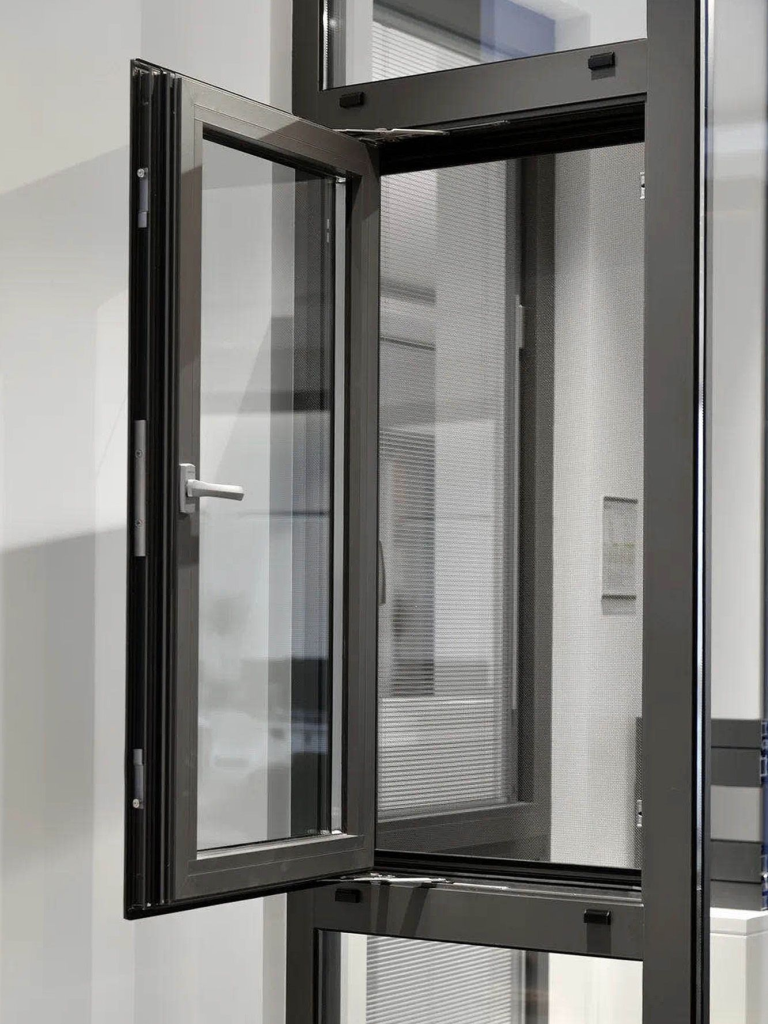
Modern phần cứng chốt cửa sổ mở trượt is increasingly designed around controlled movement and comfortable handling. The handle, spindle, gearbox, locking points, and window profile need to function as one system. When these elements are properly coordinated, users can open and close the window with less effort while designers can maintain a clean architectural appearance.
Minimalist Handles Need More Than Good Looks
A minimalist handle should visually disappear into the overall design without compromising usability. Its proportions, surface treatment, mounting method, and movement all influence how the occupant experiences the window.
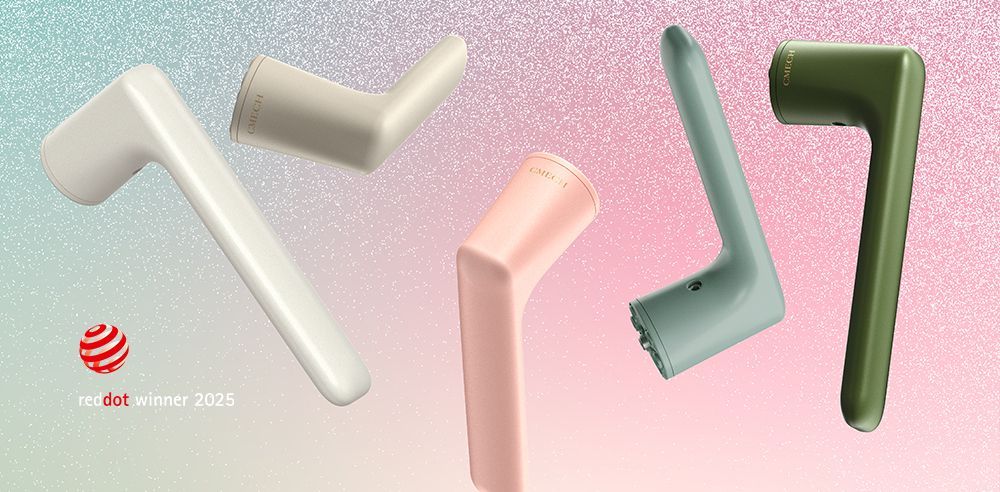
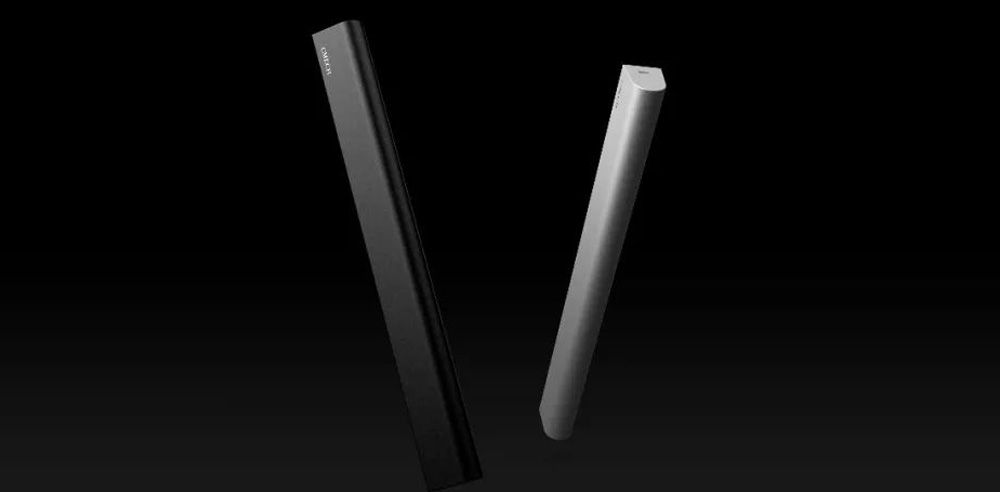
We offer two handle options for our Outswing Casement Window Hardware Solution: the base-free Milan Series handle and the Venice Series handle. Both are designed to complement different interior styles and have received Red Dot and iF Design Awards.
Their engineering is equally important. The core structure is manufactured from stainless steel through a one-piece molding process, providing greater wear resistance and durability than traditional zinc alloy construction. A rolling spring-loaded steel ball mechanism supports smooth movement, while the triangular fixation structure helps maintain long-term stability without loosening.
One-Piece Construction Supports Long-Term Comfort
Handle durability has a direct relationship with ergonomics. A handle that gradually develops looseness or inconsistent movement can make operation less predictable. For professional projects, this is especially relevant when windows are expected to be opened and closed thousands of times.
Together, the one-piece stainless-steel structure, rolling spring-loaded steel ball mechanism, and triangular fixation design support stable and consistent handle operation over repeated use.
The triangular fixation structure also contributes to stability. Rather than relying only on appearance or initial operating feel, the design considers how the handle will perform after extended use. This combination of ergonomics and structural engineering is particularly valuable in buildings where maintenance access may be limited.
The Gearbox Is Central to Window Operation
Handle ergonomics cannot be separated from the mechanism behind the handle. A well-designed handle may still feel uncomfortable if the gearbox generates excessive resistance or fails to maintain accurate positioning.
Our bi-directional spindle drive gearbox is tested to 30,000 open-close cycles, providing a defined durability benchmark for repeated operation. Its core mechanism is precision-cast from high-grade zinc alloy as a single unit to improve strength and mechanical integrity.
The gearbox also incorporates an anti-drift mechanism with a maximum extension of 12.5 mm. This feature is designed to support precise and stable positioning, helping the operating system maintain controlled movement rather than allowing unwanted displacement.
Balancing User Experience With Security
Ergonomic design should never mean sacrificing security. For professional window systems, smooth operation and reliable locking need to work together. Users should be able to operate the handle comfortably while the hardware provides dependable control over the sash.
This is particularly important for outswing casement windows, which can be exposed to wind and environmental forces. A coordinated hardware system helps ensure that the handle and locking mechanism operate within the intended sequence and that the sash remains properly controlled.
CMECH approaches casement window hardware as an integrated solution rather than a collection of independent components. This allows us to consider the relationship between handles, drive mechanisms, locking functions, and the window profile when developing solutions for demanding architectural applications.
Designing Hardware Around the Interior
Minimalist interiors place greater emphasis on small details. Window handles are often among the few functional elements occupants physically touch, so their appearance and tactile quality can influence perceptions of the entire space.
For designers, this creates an opportunity to use hardware as a subtle extension of the interior concept. Different handle forms can complement contemporary, luxury, or more traditional environments without introducing unnecessary visual complexity.
The Milan and Venice Series options provide flexibility while maintaining a consistent focus on refined design and practical operation. Their award recognition also reflects the importance of integrating visual design with functional engineering rather than treating these aspects separately.
Where CMECH Fits Into Modern Casement Design
CMECH develops door and window hardware solutions for architects, designers, developers, and professional window companies. Our Outswing Casement Window Hardware Solution combines design-focused handles with engineered drive mechanisms, supporting projects where aesthetics, security, ergonomics, and durability must work together. By combining stainless-steel handle construction, stable fixation, tested gearbox durability, and precise positioning, our approach addresses both visible and hidden aspects of window performance.
Making Minimalist Hardware Feel Effortless
The evolution of casement window hardware is ultimately about more than making components smaller or less visible. Modern systems need to make operation feel natural while providing the durability and stability expected from premium buildings.
CMECH integrates ergonomic considerations into the handle and mechanical system, giving designers a solution that connects tactile experience with long-term performance. For minimalist architecture, this balance is essential: the best hardware may attract little attention visually, yet users immediately recognize its quality every time they operate the window.
 English
 Arabic
 Chinese
 French
 Thai
 Vietnamese