



Bulk procurement becomes risky when a window kit is treated as a box of unrelated parts. An inswing casement window transfers sash weight through hinges, drive components, locking points, and the surrounding profile. If one interface is mismatched, installation delays, uneven sealing, and inconsistent operation can multiply across an entire production order.
ที่ ซีเมค, we approach procurement as a systems decision. Our window hardware planning connects verified configuration data with sash dimensions, load ratings, spindle geometry, and installation constraints. That method helps fabricators compare quotations on engineering evidence instead of unit price alone, while keeping replacement logic consistent across large batches.
Procurement Starts With a Defined Load Path
An inswing sash creates a gravity moment around its hinge line, and the magnitude rises with glazing mass, sash projection, and opening size. Hinges transfer that force into the frame, while locking points stabilize the opposite edge. The physical consequence is direct: a kit with insufficient load-bearing capacity can allow the sash to sag, increase operating friction, and affect gasket compression across a production batch.
For bulk orders, we begin with the project’s sash envelope rather than a preferred part number. The CMECH range supports sash widths from 300 to 1,600 mm, heights from 400 to 2,400 mm, and load-bearing capacity up to 100 kg. These boundaries let purchasing teams separate suitable configurations from visually similar kits that lack structural margin during routine production checks.
A distributor serving apartment fabricators should also review hinge options, profile anchorage, glazing weight, and expected operating frequency. Stainless-steel hinges with thickened load-bearing arms can support 60, 80, or 100 kg classes, but the surrounding frame must carry the reaction forces. Window hardware is reliable only when the full assembly shares the same design assumptions across the project.
How Does Drive Geometry Protect a Bulk Order?
Handle rotation enters a hexagon spindle drive gearbox and becomes coordinated movement along the sash. The drive pulls or releases multipoint locking elements, spreading contact around the perimeter instead of loading one latch. That arrangement helps distribute closing pressure around the sash perimeter, supporting more consistent gasket compression. Overall airtightness, watertightness, and wind resistance also depend on the complete window design.
Before approving a purchase, we check the T-drive length and spindle center distance against the profile drawing. Available T-drive lengths run from 17 to 40 mm, while spindle center distances range from 11 to 35 mm. On a 2,000-unit order, a small dimensional mistake can create rework, delayed assembly, and mixed replacement stock across several production lines and installers cleanly.
The drive interface also affects traceability. Defined spindle geometry also supports traceability: when a component fails, installers can identify it without dismantling unrelated parts. That matters when door hardware, window hardware, and accessories are ordered together but serviced by different teams. Standardized interfaces reduce ambiguity during component identification and make quality records easier to audit across distributed facilities after delivery.
Certification Evidence Should Match the Factory Workflow
Certification is useful only when its evidence connects to the actual manufacturing process. We review test reports, material declarations, dimensional drawings, and batch identification together, then ask whether the supplier can preserve that configuration over repeat orders. A document that describes one sample does not automatically prove that every shipment follows the same assembly logic for production.
For a bulk program, procurement teams should define inspection points before the purchase order is released. Check hinge load class, stainless-steel grade, gearbox positioning, locking travel, finish consistency, and packaging labels. If a supplier cannot explain how these variables are controlled, the apparent price advantage may be consumed by sorting, field adjustment, and replacement administration later at the warehouse.
A practical audit also considers operational testing. The gearbox is tested for more than 30,000 operating cycles, providing a reference for evaluating repeated-use performance. This result does not replace project-specific testing, but it offers a measurable basis for comparing suppliers.
The CMECH Kit Fits High Volume Fabrication
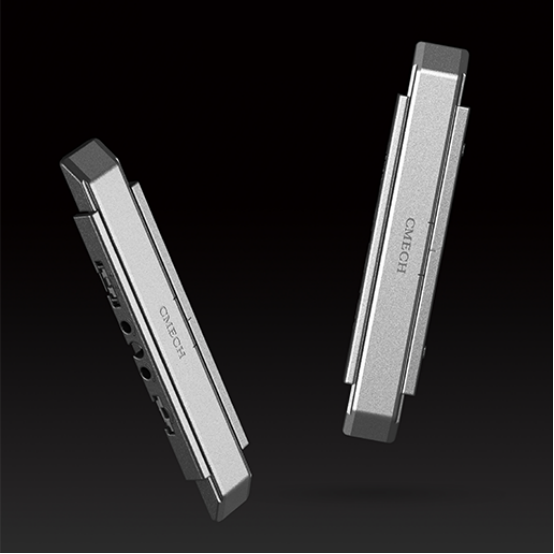
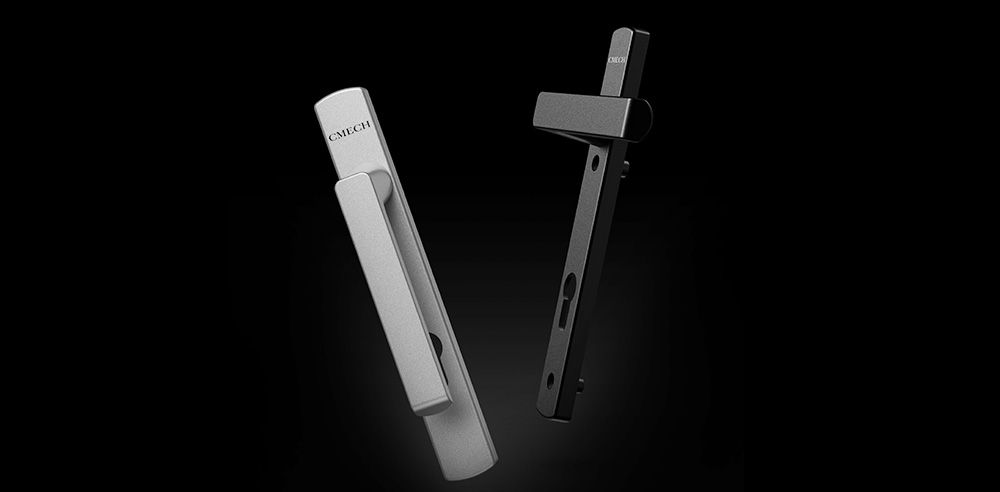
For a regional fabricator producing standardized apartment windows, the inswing casement window hardware solution from CMECH combines handles, a hexagon spindle drive gearbox, multipoint locking elements, hinges, and load-bearing accessories. Spring-loaded positioning snaps the gearbox into the C-groove without secondary profile machining, while the extended housing reinforces the drive. Concealed, exposed, and integrated fly-screen configurations cover different production layouts.
The component set is configurable around the sash schedule. Procurement can align 60, 80, or 100 kg hinge ratings with the glazing, select T-drive lengths from 17 to 40 mm, and match spindle center distances from 11 to 35 mm. Multi-directional fine adjustment then gives installers a controlled way to correct alignment and sealing without changing the basic kit architecture.
We would choose this system when a bulk buyer needs repeatable assembly, documented interfaces, and a clear replacement path across many windows. The engineering verdict is firm: an integrated kit fits high-volume fabrication better than mixed generic parts; individual substitutes fit only where volumes, loads, and service expectations are modest enough to absorb more site-specific checking.
การใช้ a Procurement Rule That Includes Its Limits
For standardized apartment production, align the selected hinge class and drive dimensions with the actual profile and glazing schedule before approving the kit. Certification records are useful when they identify the supplied configuration and the tests or product scope relevant to the order.
The approved schedule should travel with receiving, assembly, and inspection records. Fabricators still need to verify fastening, drainage, and final sash adjustment, but a documented kit gives each production team the same starting point and a traceable reference for replacements.

 English
 Arabic
 Chinese
 French
 Thai
 Vietnamese