



Bifold doors are widely used in residential, commercial, hospitality, and architectural projects because they can create wide openings while connecting indoor and outdoor spaces. However, their operation also depends on the hardware supporting the panels, including movement, weight support, alignment, and adjustment.
For developers, contractors, designers, and door brands, choosing suitable ชุดฮาร์ดแวร์ประตูพับ means matching the hardware to the door dimensions, configuration, installation conditions, and project requirements.
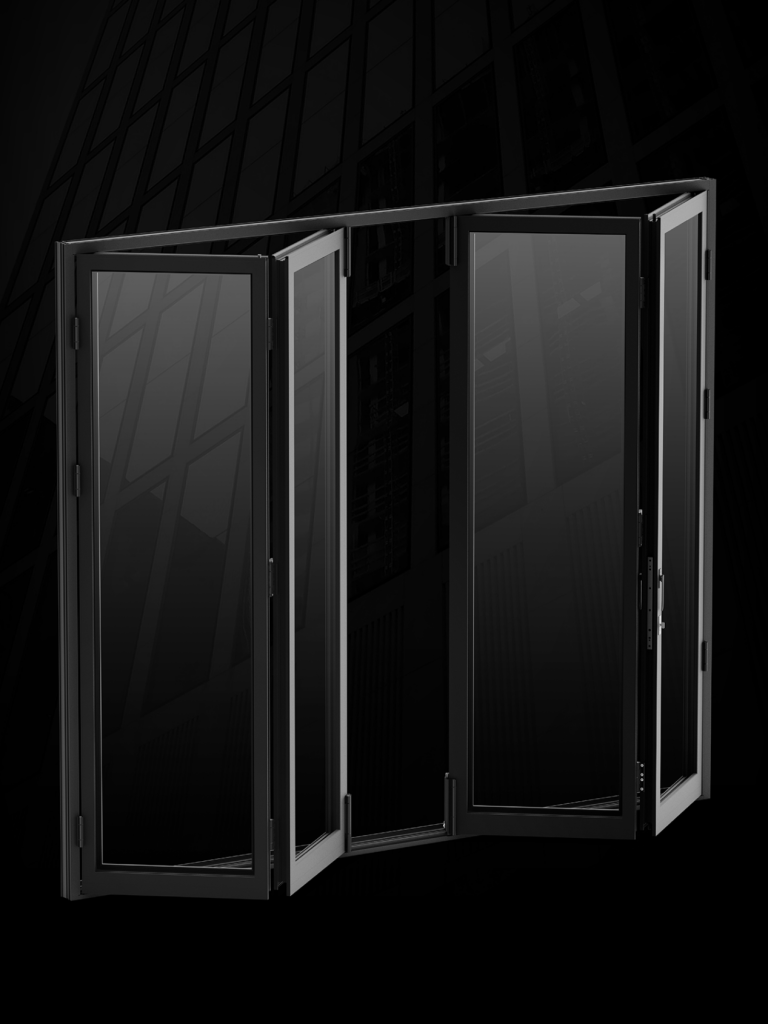
What Is Bifold Door Hardware and Why Is It Important for Modern Projects?
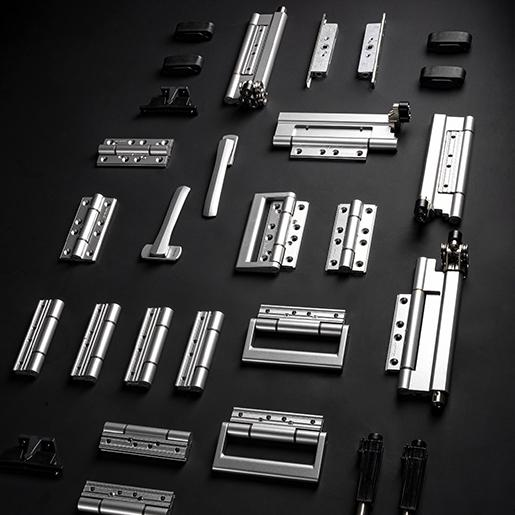
Bifold door hardware refers to the mechanical components that allow multiple door panels to fold, move, lock, and stay aligned during daily use. These components usually include hinges, rollers, handles, locking parts, and adjustment mechanisms.
Many buyers focus mainly on the visual design of bifold doors. However, large glass panels create higher requirements for hardware performance because the hardware needs to support the door weight while maintaining smooth movement.
When unsuitable hardware is selected, users may experience:
- Difficult opening and closing
- Door panel misalignment
- Uneven gaps between panels
- Increased adjustment frequency
Therefore, hardware selection should be considered together with the door structure instead of being treated as a separate component purchase.
1.How Does Bifold Door Hardware Influence Daily Operation?
Bifold door hardware affects three key areas: movement, stability, and adjustment.
| Performance Area | Common Challenge | Hardware Consideration |
| Door movement | Heavy panels may require more operating force | Smooth roller and guide structure |
| Door alignment | Small installation differences can affect gaps | Adjustable hardware components |
| Long-term operation | Repeated opening creates mechanical stress | Tested materials and structural design |
Rollers control movement, hinges connect folding panels, and locking components help maintain the closed position.
2.Why Do Different Projects Need Different Hardware Solutions?
Different building types have different hardware requirements. Residential projects often focus on appearance and comfortable operation, while commercial projects may pay more attention to durability, installation processes, and project consistency.
For example:
- A villa project may require large opening areas and minimal visual interruption.
- A hotel project may require frequent daily operation.
- A developer project may require stable delivery and easy installation management.
| Project Type | Main Requirement | Hardware Focus |
| Luxury residential | Visual design and user experience | Clean appearance and smooth operation |
| Hotel projects | Frequent operation | Stable performance and maintenance convenience |
| Large developments | Project consistency | Reliable supply and installation support |
How Do You Choose the Right Bifold Door Hardware Kit for Different Applications?
Choosing a suitable bifold door hardware kit requires evaluating the complete door application, including panel size, weight, configuration, and installation environment. A hardware kit should match the door requirements instead of being selected only according to appearance or price.
A common mistake is choosing hardware after the door design has already been finalized. When hardware capacity does not match the door structure, installers may need additional adjustments during installation.
A complete evaluation before purchasing can reduce these problems.
1. What Specifications Should Buyers Check Before Buying?
Buyers should first confirm the door dimensions, weight, configuration, and installation conditions.
Important factors include:
Door panel width — Affects the load and movement requirements of the hardware. Wider panels may require hardware designed for specific panel dimensions.
- Door panel height — Influences the overall panel size and hardware configuration needed for stable operation.
- Maximum door weight — Determines the load capacity required from the rollers and other supporting components.
- Number of folding panels — Affects the folding configuration and the hardware components needed to connect and move the panels.
- Opening direction — Determines how the panels fold and how the hardware needs to be configured.
- Installation conditions — Affect the available installation space, alignment, and adjustment requirements during fitting.
Accurate measurements, correct panel alignment, and appropriate hardware adjustment can affect the final operation of the bifold door.
For contractors, hardware with adjustment functions can help correct small installation differences during final fitting. After installation, moving components should also be checked regularly according to the product requirements.
| Evaluation Factor | Why It Matters |
| Load capacity | Determines whether the hardware can support the door panel weight |
| Adjustment range | Helps installers correct small installation differences |
| Component structure | Influences how the panels move and fold |
| Installation requirements | Affect measurement, alignment, adjustment, and fitting work |
| Maintenance requirements | Help project teams plan future inspection and servicing |
A hardware solution that matches the door dimensions but does not fit the installation conditions may still create problems during project delivery.
2.What Should Developers and Door Brands Consider?
Developers and door brands should evaluate more than product specifications. Supply consistency, installation requirements, product compatibility, and technical support can all affect project delivery.
- Supply consistency — Helps maintain consistent specifications across project batches.
- Installation requirements — Affect tools, labor, and installation time.
- Product compatibility — Determines whether the hardware works with the selected profiles and panels.
- Technical support — Helps project teams address installation and adjustment questions.
These factors are particularly relevant for multi-unit residential and commercial projects.

How Does CMECH Provide Bifold Door Hardware Solutions for Modern Door Projects?
ซีเมค provides door and window hardware solutions for different architectural applications.
CMECH’s origins can be traced back to the 1990s, with nearly 30 years of design and manufacturing experience in the door and window hardware field. The company focuses on developing hardware solutions that combine functional requirements with modern architectural design needs.
According to the company information provided, CMECH has a 70,000㎡ research and production base, more than 400 patents, global service points, and multiple specialized testing processes. These capabilities support customers who require consistent product quality and stable cooperation for different projects.
For projects that require both appearance and functional performance, CMECH focuses on concealed hardware designs and handle solutions. Compared with traditional exposed components, concealed designs can reduce visual interruption and support cleaner architectural styles.
1.What Features Does CMECH Bifold Door Hardware Solution Include?
CMECH’s Even Configuration is specifically designed for bifold doors with an even number of leaves. Before considering its specifications, buyers should first confirm whether their door design uses an even-numbered leaf configuration.
According to the official CMECH product information, the Even Configuration solution includes specific design features for supporting folding door operation.
| Feature | Description |
| Applicable configuration | Designed for even-numbered leaf configurations |
| Maximum sach weight | ≤150kg |
| Sash width range | 500–900mm |
| Sash height range | 1,900–3,500mm |
| System durability | Exceeds 30,000 cycles |
| Roller structure | Upper and lower roller structure |
| Adjustment function | Lower roller vertical adjustment from -1.5mm to +3mm |
2. Why Should Buyers Consider Concealed Hardware?
Concealed hardware reduces the visual impact of hinges and other components on the finished bifold door. For developers, designers, and door brands, it can be considered alongside load capacity, adjustment range, configuration, and installation requirements.
CMECH offers concealed hardware solutions within its door and window hardware range.
How Can You Select Reliable Hardware for Bifold Doors?
Selecting reliable hardware for bifold doors requires evaluating technical compatibility, product information, supplier capability, and project requirements.
A low initial purchase cost does not always represent the actual project value. If hardware cannot match the door structure, additional adjustment work and maintenance requirements may increase during later stages.
Before purchasing, buyers can review these questions:
- Does the hardware support the required door size and weight?
- Are technical specifications clearly provided?
- Has the product completed durability testing?
- Can the supplier provide stable delivery support?
- Does the hardware design match the project style?
For Middle East and Southeast Asia markets, these considerations are especially relevant because many projects involve villas, residential developments, commercial buildings, and customized door solutions.
A suitable hardware partner should understand both engineering requirements and architectural expectations.
Conclusion: Choosing the Right Bifold Door Hardware Solution
Choosing bifold door hardware requires more than comparing individual components. Buyers should check panel dimensions, weight, configuration, adjustment requirements, installation conditions, and supplier support.
CMECH’s Even Configuration is specifically designed for bifold doors with an even number of leaves, with its published specifications providing a clear reference for buyers evaluating compatibility with their projects.


 English
 Arabic
 Chinese
 French
 Thai
 Vietnamese