
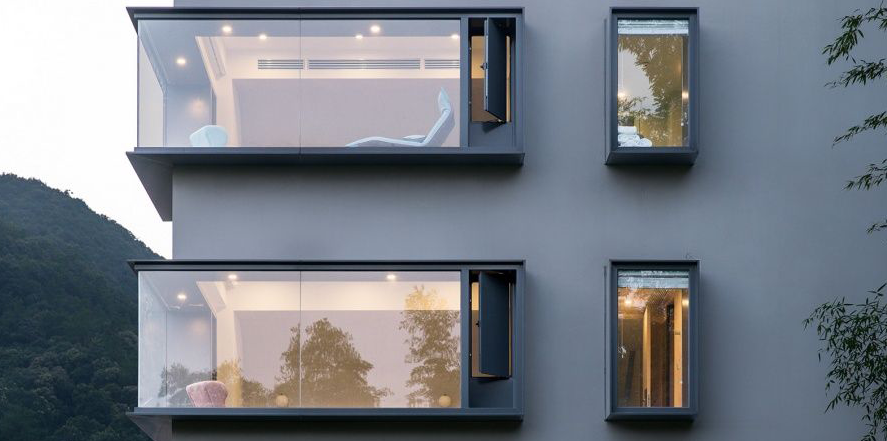


Window hardware is no longer treated as a purely functional detail in contemporary architecture. For designers working on premium residential, hospitality, and commercial projects, the position and appearance of hardware can influence the visual quality of an entire façade. When specifying a fenêtre à guillotine, the choice between concealed stainless-steel hinge arrangements and exposed profiles deserves careful consideration because it affects aesthetics, structural support, adjustment, maintenance, and overall design integration.
Why Hardware Visibility Matters in Modern Design
Modern architecture often emphasizes clean lines, large glass areas, and minimal visual interruption. Exposed hardware can introduce additional lines and shapes around the window frame, which may be desirable for certain architectural styles but less suitable for minimalist designs.
A concealed or visually integrated hinge arrangement can create a cleaner transition between the sash and surrounding frame. This approach allows the glazing and architectural materials to remain visually dominant instead of making the operating mechanism a focal point.
For designers, however, concealment should not be selected for appearance alone. A top hung window hinge must still provide sufficient support, adjustment, and operational reliability for the intended sash size and application.
Hidden Hinges Create a Cleaner Visual Language
The main advantage of concealed hardware is visual integration. When mechanical components are positioned within the window system rather than prominently displayed, designers have greater freedom to create uninterrupted interior and exterior elevations.
This can be particularly valuable for luxury residences, boutique hotels, and contemporary office buildings where architectural detailing is carefully controlled. Minimal visible hardware can complement slim frames and expansive glazing while supporting a more refined appearance.
We also need to distinguish between truly concealed hardware and hardware that is simply less visually prominent. The installation method, profile geometry, sash configuration, and available adjustment range all influence the final appearance.
Exposed Profiles Still Have Practical Advantages
Exposed hardware should not automatically be considered inferior. It can provide easier visual access to components during installation, adjustment, inspection, and maintenance. For some project types, this accessibility can be more valuable than achieving a completely uninterrupted appearance.
Exposed configurations can also provide designers and fabricators with greater visibility when coordinating hardware with different window profiles. The appropriate solution depends on the project’s priorities, including aesthetic requirements, installation conditions, sash dimensions, operating frequency, and maintenance strategy.
The best specification therefore balances architectural intent with engineering practicality rather than assuming that concealed hardware is always the better choice.
Stainless Steel Adds Structural Confidence
Material selection becomes especially important when hardware must support a relatively large or heavy sash. Stainless steel can provide strength and corrosion resistance, making it an appropriate material for demanding window applications when correctly engineered.
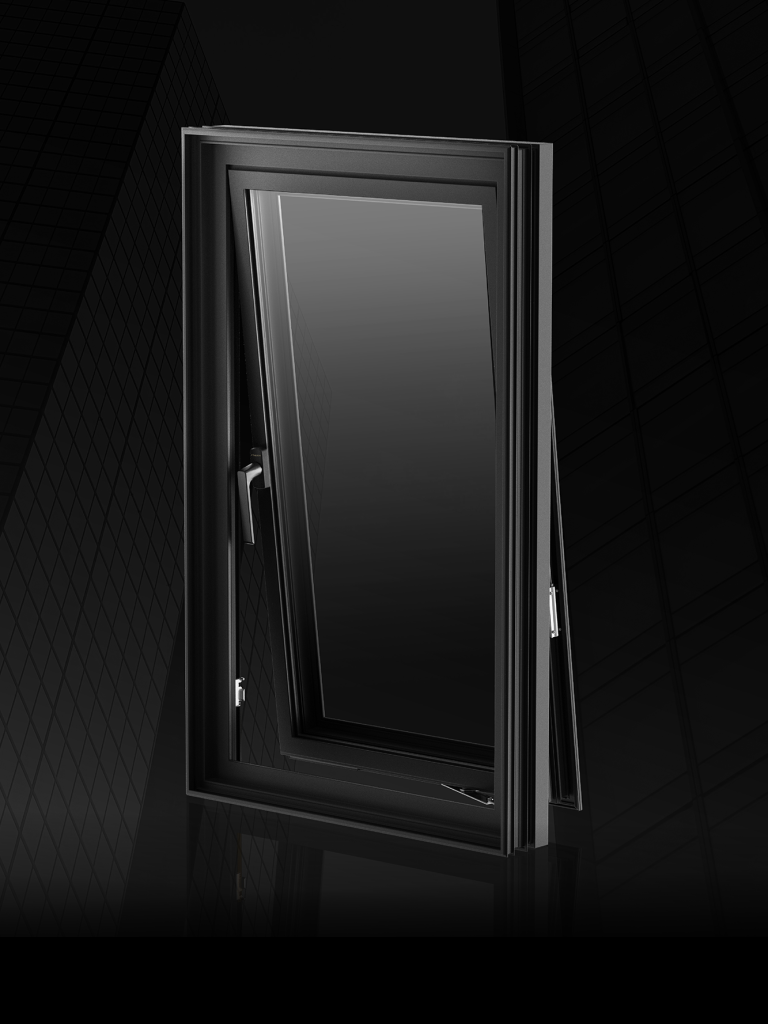
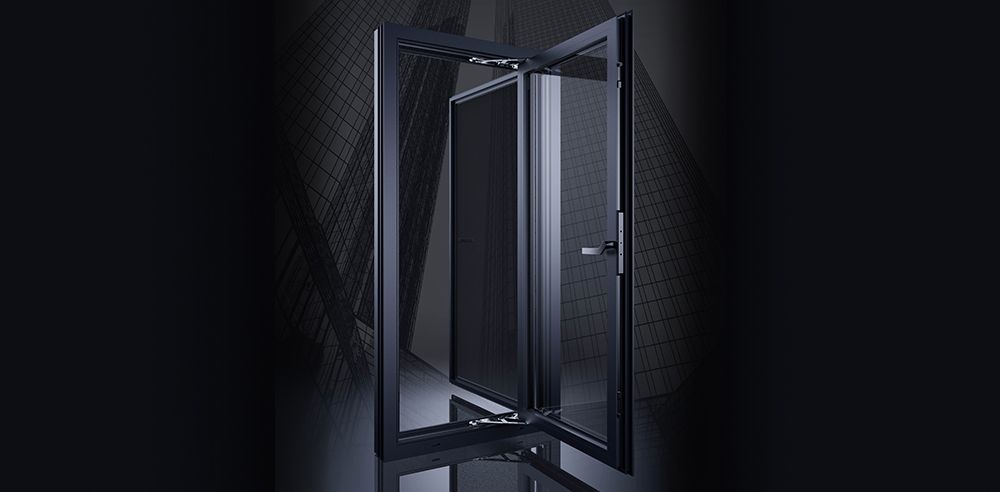
Our Outswing Casement & Awning Window Hardware Solution uses stainless steel in critical hinge construction. Its upper and lower hinges feature a double-baseplate design, while the upper hinge has a load-bearing arm up to 3.5 mm thick. The structure is designed to resist deformation under long-term loading.
The upper hinge also incorporates an anti-derailment hook mechanism. This helps secure the sash under heavier loads while allowing three-dimensional adjustment from the indoor side. For fabricators and designers, such adjustability can support more accurate sash positioning during installation.
Top Hung Window Hinges Must Do More Than Look Good
A visually clean hinge is valuable only when it maintains dependable performance. A top hung window hinge must help control sash movement, support the window’s weight, and maintain alignment during repeated operation.
The lower hinge in our system uses a gear mechanism secured with three screws. According to the product specification, this structure helps prevent sudden closure during strong winds, adding an additional safety consideration for outswing awning operation.
The complete system supports sash widths from 425 to 800 mm, heights from 670 to 2,000 mm, and a load-bearing capacity of up to 80 kg. These defined parameters give professional buyers a clearer basis for evaluating whether the system matches a particular project.
How Designers Should Compare the Two Approaches
When comparing hidden stainless hinges with exposed profiles, we recommend evaluating five areas: visual integration, structural requirements, adjustment capability, maintenance access, and profile compatibility.
For minimalist façades, concealed arrangements may provide a stronger aesthetic advantage. Where maintenance accessibility or straightforward installation is a priority, exposed hardware may offer practical benefits. Large sashes also require careful assessment of load-bearing capacity and adjustment mechanisms regardless of the visual configuration.
Designers should therefore work with fabricators and hardware suppliers early in the specification process. Early coordination helps ensure that the chosen hinge configuration fits the profile system instead of requiring compromises later.
Making the Right Hardware Choice
The debate between hidden stainless top hung window hinges and exposed profiles is ultimately not about choosing one universal solution. It is about identifying which configuration best supports the project’s architectural goals and technical requirements.
For designers, concealed hardware can deliver a cleaner visual result, while exposed configurations may offer advantages in accessibility and practical coordination. Either approach must still provide adequate support, adjustment, durability, and safe operation.
We at CMECH believe that premium window hardware should integrate engineering and design rather than treating them as separate priorities. By evaluating the complete window system early, designers can achieve cleaner aesthetics without overlooking structural performance. For demanding projects, that balance is what turns a top hung window from a functional opening into a carefully resolved architectural element.
 English
 Arabic
 Chinese
 French
 Thai
 Vietnamese