
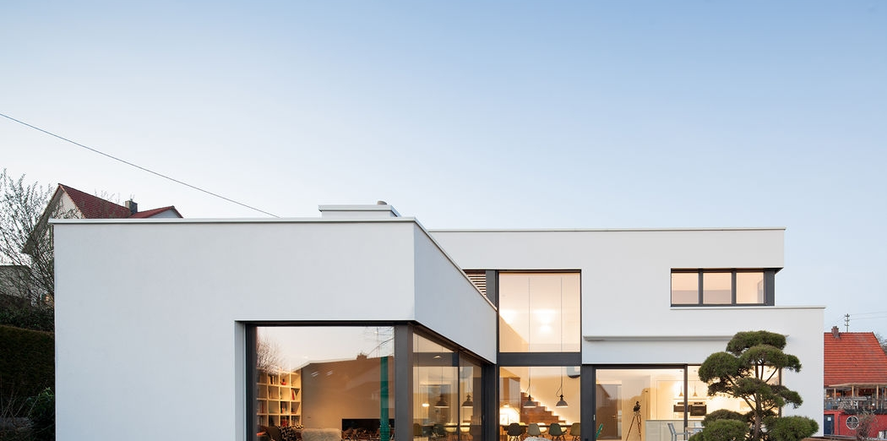


Coastal villas, resorts, and premium residential developments face a demanding combination of salt-laden air, humidity, wind, and frequent window operation. For developers and window manufacturers, selecting fenêtre à battant pièces is therefore more than a matter of appearance. We need to consider material, exposure, load, operating cycles, and surface protection together so that casement window parts continues to support security, comfort, and project value.
Why Coastal Projects Need More Than Standard Hardware
Salt spray can accelerate corrosion on exposed metal surfaces, while moisture can affect internal mechanisms over time. For coastal real estate, this creates a specification challenge: a visually attractive handle is not enough if hinges, drive components, or screen hardware cannot maintain reliable movement.
We recommend evaluating the complete casement window parts rather than treating each component as an isolated purchase. Material selection, protective treatment, structural capacity, and durability testing should all correspond to the window’s environment and expected service conditions. This approach helps project teams reduce premature maintenance and keep operating performance consistent.
Prioritize Material and Exposure When Selecting Casement Window Hardware Parts
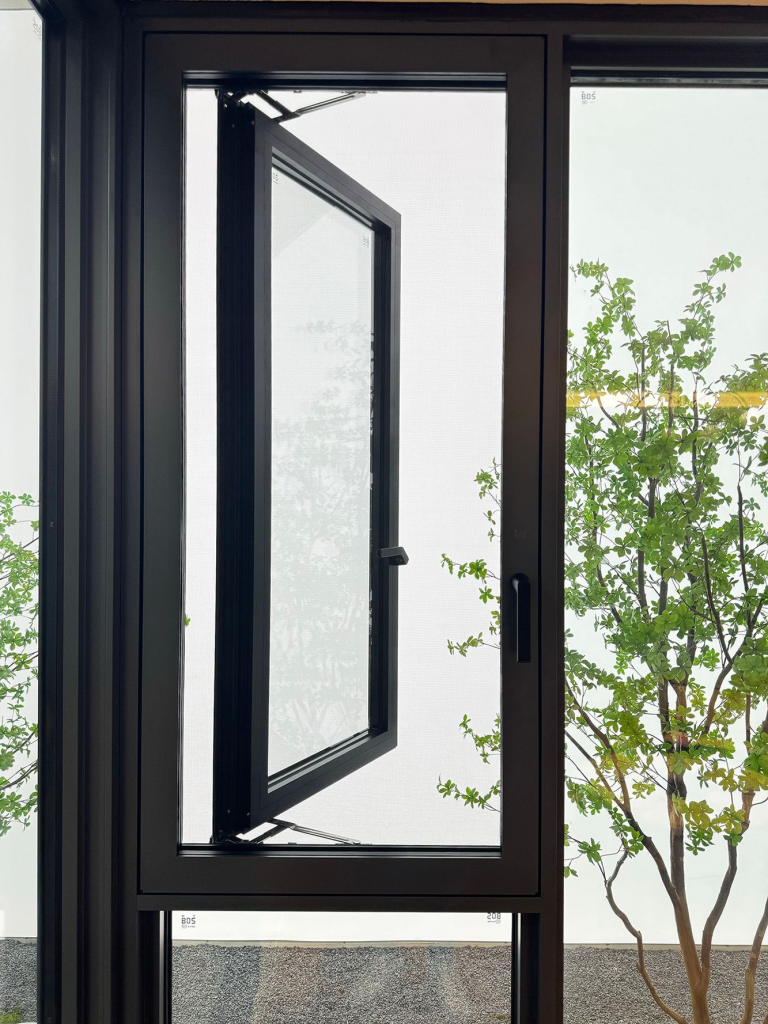
Material is one of the first checkpoints in coastal specification. The Master Series friction hinge is constructed from 304 stainless steel and uses a 4 mm thickened load-bearing arm. It supports a sash load of up to 60 kg and incorporates a typhoon-resistant stopper designed for Level 12 winds. The hinge has also passed 30,000 repeated operation tests.
The fly screen hinge is also made entirely from 304 stainless steel. We can specify 90°, 165°, or 180° opening options according to ventilation and access requirements. The 90° and 165° versions can use quick-release screw packs, which makes screen removal and cleaning easier during property maintenance.
Match Hardware Capacity to Window Dimensions
Coastal durability still depends on correct engineering. The Master Series with integrated fly screen system is specified for sash widths of 400–750 mm and sash heights of 300–1,800 mm, with a maximum load-bearing capacity of 60 kg. The spindle drive gearbox is available with center distances of 11, 13, 22, 25, 28, 30, and 35 mm.
For developers and fabricators, these figures provide a practical starting point for checking compatibility before procurement. We should compare the actual sash dimensions and weight with the hardware’s applicable range instead of selecting components solely by visual style. Correct sizing helps prevent unnecessary stress on hinges and operating mechanisms.
Consider Surface Protection as Part of the Coastal Specification
Corrosion protection should cover both visible and functional considerations. CMECH’s coastal protection approach uses different surface treatments according to component, material, exposure, and load condition. Its Coastal Series includes enhanced M-Treatment for handles, hinges, and visible exterior components, validated for 4,000 hours of neutral salt spray testing by CNAS-accredited laboratories.
For internal structural zinc-alloy components, CMECH’s New Nano Blue treatment is designed to provide a dense protective barrier and has been reported to achieve up to 2,000 hours of salt-spray performance. These technologies illustrate an important specification principle: coastal protection should be matched to the role and exposure of each component, rather than applying one treatment indiscriminately.
Design, Operation, and Long-Term Maintenance Matter Too
Premium coastal real estate also demands hardware that fits the architectural language of the project. The Master Series offers Milan and Venice handles, while the triangular fixation system is designed to provide stable, smooth operation. The spindle drive gearbox uses a solid zinc-alloy base, provides 25 N·m torsional resistance, and includes a 12.5 mm bidirectional anti-drift adjustment.
From a procurement perspective, cycle testing is another useful benchmark. The Master Series gearbox has been tested to 30,000 open-and-close cycles, while the friction hinge and fly screen hinge have also undergone 30,000-cycle testing. These results do not eliminate the need for inspection, but they give project teams measurable evidence when comparing hardware systems.
Use Testing Data to Strengthen Procurement Decisions
For a business project, documented testing can make supplier comparison more objective. We can ask manufacturers to provide relevant cycle, load, salt-spray, and material information for the exact configuration being proposed. This is especially important when multiple window sizes, finishes, and installation conditions are included in one development. Clear documentation also helps align architects, fabricators, purchasing teams, and contractors before production begins, reducing the chance of substitutions that weaken the original specification.
Build a More Reliable Coastal Window Specification
For coastal developers, architects, and window manufacturers, we believe the strongest specification combines corrosion protection, structural capacity, tested durability, and compatibility. CMECH provides a broader door and window hardware portfolio for architects, designers, real estate developers, and window and door companies, supporting projects that require coordinated hardware solutions.
When we specify casement window hardware parts for a coastal project, we should look beyond the initial finish and purchase price. We should verify the material, surface treatment, load rating, operating range, testing data, and maintenance requirements as one package. With the right selection process, premium window hardware can contribute to more dependable operation and lower long-term risk for coastal properties.
 English
 Arabic
 Chinese
 French
 Thai
 Vietnamese