
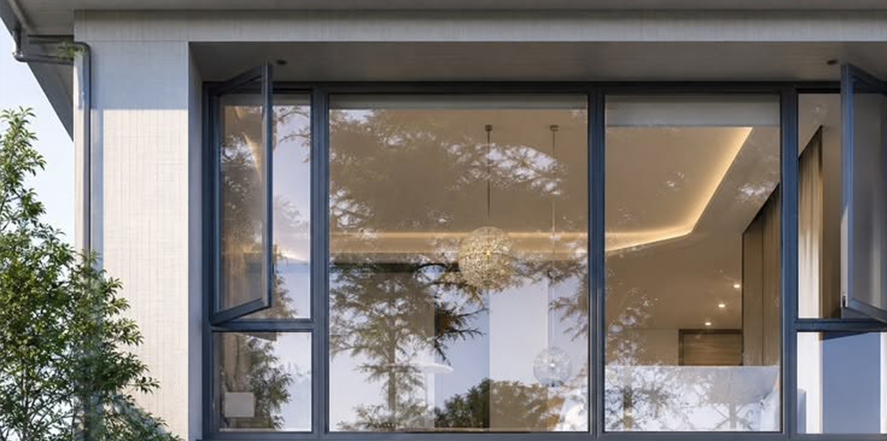


Window hardware selection affects more than daily operation. For manufacturers and project suppliers, material choice, machining accuracy, and long-term maintenance requirements all influence product performance. When comparing 平开窗配件, buyers often need to understand the differences between stainless steel components and budget zinc alloy internal structures.
The internal mechanism of a window affects opening smoothness, adjustment stability, and service planning. This article explains how machined stainless components compare with zinc alloy internal gears and what professional buyers should consider when selecting hardware solutions.
Comparing Material Choices in Window Hardware Systems
Material selection is an important factor when evaluating casement window operator parts. Stainless steel and zinc alloy serve different purposes in hardware engineering. Stainless steel may be selected for components that require particular strength or corrosion resistance, while zinc alloy can be suitable for precision-cast parts with more complex shapes. Buyers should compare the actual component design, manufacturing method, operating loads, and test results rather than treating either material as universally superior.
Zinc alloy can also be used in hardware manufacturing because of its casting flexibility and production efficiency. However, buyers need to review the design structure, load requirements, and adjustment functions instead of considering material cost alone.
For window manufacturers, the internal structure of casement window parts directly influences installation and maintenance processes. Components with accurate processing can reduce adjustment difficulties during assembly and help installers manage different project requirements.
Understanding Internal Gear Design and Operating Stability
The internal gear system plays an important role in casement window operation. A well-designed mechanism needs to transfer force smoothly between the handle and moving components. Poor matching between parts may affect the user experience during repeated opening and closing.
When evaluating casement window operator parts, buyers usually focus on torque capacity, cycle testing, adjustment range, and installation flexibility. These factors help determine whether the hardware can match different window designs and application conditions.
Reviewing Concealed Hardware Design for Modern Applications
Modern architecture often pays more attention to clean appearance and integrated design. Traditional exposed hardware can influence the visual style of a window, while concealed structures provide another option for projects that require a simpler appearance.
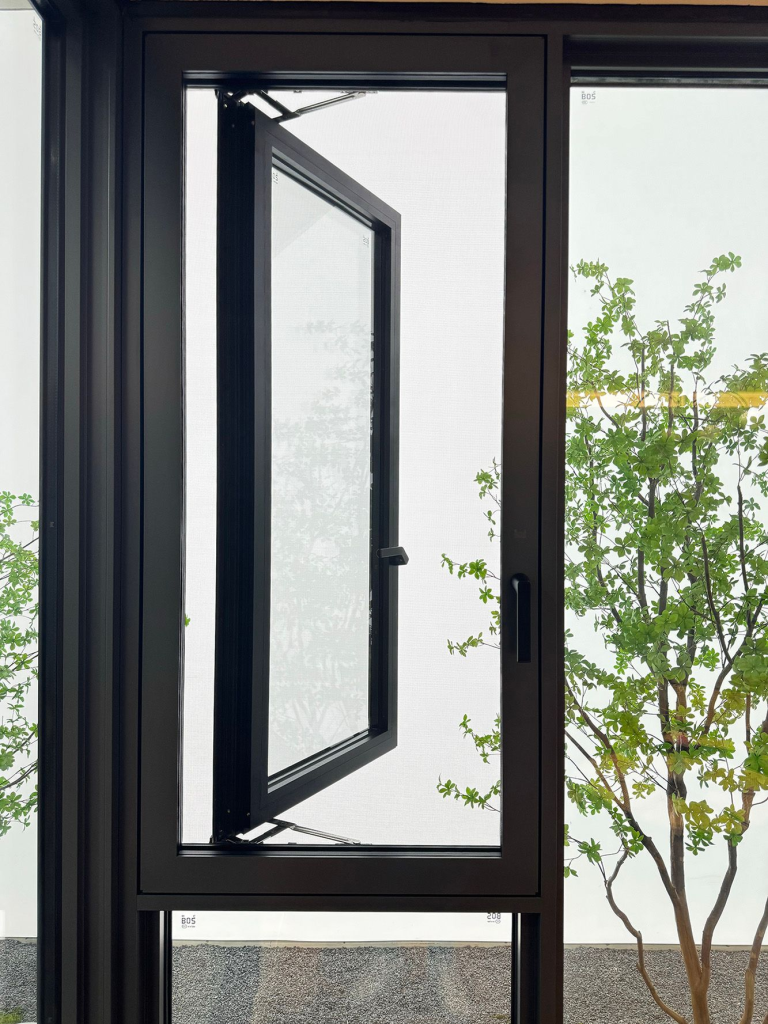
Our Master Series Outswing Casement Hardware with integrated fly screen system combines concealed hardware design with functional operation. The system includes a base-free Milan handle and Venice handle options. Both handles use a triangular fixation system to improve stability and support smooth operation.
The handle design has received Red Dot and iF Design Awards recognition. The structure is created for projects where appearance and daily usability need to work together. This design approach also helps manufacturers provide more flexible choices for different architectural styles.
Examining Gearbox Performance and Adjustment Functions
The spindle drive gearbox is a key component in the operating mechanism. It is tested to 30,000 open-and-close cycles and designed to support repeated daily use. The base is precision-cast as a single unit from high-strength zinc alloy.
The gearbox provides 25 N·m torsional resistance and includes an anti-drift nut with 12.5 mm bidirectional adjustment. This function allows installers to adjust alignment more easily and maintain stable operation after installation.
For suppliers comparing casement window operator parts, these technical details are useful references. A gearbox with clear testing data and adjustment functions can help reduce service challenges during the product lifecycle.
Considering Cost and Long Term Project Requirements
Budget zinc alloy internal gears may attract attention because of initial cost considerations. However, professional buyers also need to review installation time, maintenance requirements, and expected operating conditions before making decisions.
Machined stainless solutions and optimized zinc alloy structures both have application value depending on project needs. The key is selecting components that match the window system design, usage frequency, and required performance level.
As CMECH continues developing window hardware solutions, we consider material application, manufacturing control, and user requirements together. Our experience includes product design, manufacturing, and service support for different markets.
Making a Practical Choice for Window Manufacturers
Selecting suitable casement window parts requires a balance between engineering requirements and project expectations. Material, mechanical structure, adjustment functions, and appearance design all influence the final hardware choice.
For companies sourcing casement window operator parts, understanding these differences can support better purchasing decisions. A detailed evaluation of internal mechanisms helps manufacturers create reliable window systems while managing production and installation processes.
Through continuous improvement in design and manufacturing, we provide hardware options that connect technical performance with practical application needs. Careful product selection allows partners to build window solutions that fit their target markets and project requirements.
 English
 Arabic
 Chinese
 French
 Thai
Thai Vietnamese