
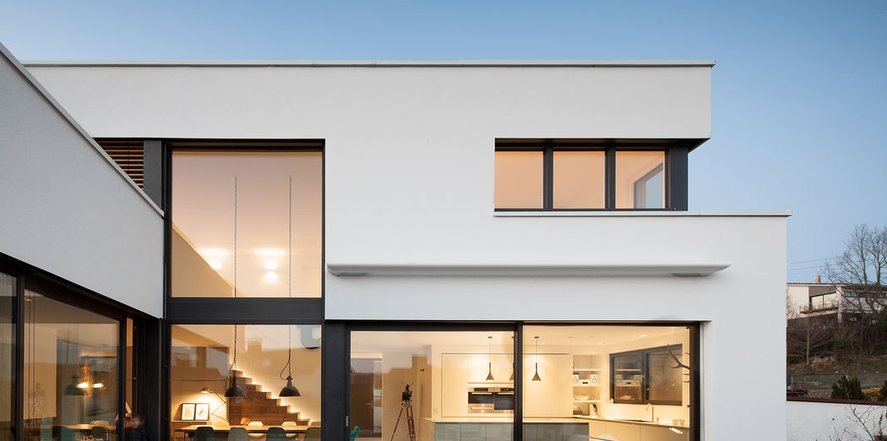


Coastal buildings, high-rise residences, hotels, and premium commercial properties place demanding requirements on window hardware. Salt-laden moisture, humidity, temperature changes, and frequent operation can gradually challenge exposed metal components. For project teams, selecting أجهزة النوافذ المنزلقة should therefore involve more than appearance or initial cost. We need to examine material quality, surface protection, structural design, operating durability, and how individual components work together throughout the window system.
Why Coating Matters for Sliding Window Hardware
Corrosion begins when susceptible metal surfaces interact with moisture and aggressive environmental conditions. For windows installed in demanding locations, protective surface treatment can help create a barrier between the underlying material and the surrounding environment. However, coating should not be viewed as an isolated feature. We need to consider the substrate, treatment method, component location, and expected operating conditions as part of the complete specification.
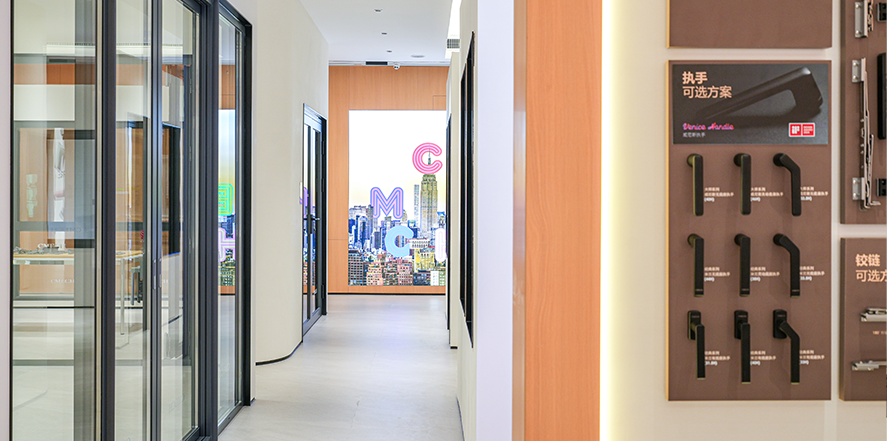
CMECH positions specialized surface treatment as an important part of its hardware engineering. Its product portfolio describes specialized treatments designed to provide corrosion durability, while its Metro Handle Series uses a high-temperature “M treatment” intended to improve anti-corrosion performance beyond conventional expectations.
Match Surface Protection With Component Function
Not every component experiences the same mechanical or environmental stresses. Handles are touched frequently and remain visually exposed, while rollers operate continuously inside the sliding mechanism and carry the sash load. Locking components must maintain dependable engagement, and brackets must transfer forces without compromising alignment.
For this reason, we believe premium sliding window hardware parts should be evaluated as a coordinated system. A durable visible finish cannot compensate for an underspecified roller, while a high-capacity roller does not automatically provide adequate corrosion protection for every other component. Procurement teams should review material and treatment information for the specific components included in the project.
Evaluate Roller Durability Alongside Corrosion Resistance
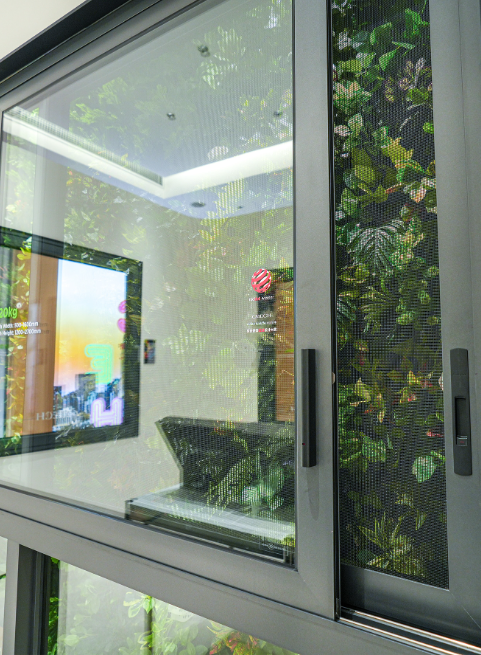
The roller is one of the most important load-bearing elements in a sliding window. The CMECH Sliding Window Hardware Series uses a multi-layer bracket designed to distribute sash weight, with roller options supporting between 120 kg and 300 kg depending on project requirements. The rubber-coated wheels have passed 120,000 cycles while maintaining quiet and smooth movement with minimal wear.
These figures are particularly relevant for developers and fabricators specifying larger sliding sashes. The system has an applicable sash width of 500–1,600 mm, sash height of 300–1,800 mm, and maximum listed load-bearing capacity of 300 kg. Matching the roller capacity with the actual sash weight is essential for maintaining reliable movement and avoiding unnecessary mechanical stress.
Combine Coated Hardware With Long-Cycle Performance
Anti-corrosive qualities become more valuable when they are supported by mechanical durability. A coating may protect a component’s surface, but the hardware must still withstand repeated movement, contact, and loading during daily use. Therefore, cycle testing provides useful evidence when we compare premium systems with basic alternatives.
The S Metro Handle, for example, has been tested to 25,000 operating cycles. It incorporates a built-in child safety lock and a ±3 mm self-adjusting hook designed to compensate for profile tolerances and help prevent accidental opening. Automatic and manual locking versions are available, giving project teams greater flexibility when specifying the operating configuration.
Consider the Complete Hardware System During Procurement
A common purchasing mistake is to select individual components independently based only on price, appearance, or nominal load. We recommend assessing handles, rollers, locking components, drive parts, and accessories as a compatible package. This can simplify fabrication and installation while making it easier to maintain consistent performance across different window configurations.
CMECH identifies architects, designers, real estate developers, and window and door companies among its target professional audiences. Its stated approach emphasizes integrated hardware and system solutions for projects where reliability, compatibility, and long-term performance are important procurement considerations.
Verify the Specification Before Project Approval
For business projects, documented specifications should form the basis of purchasing decisions. We should confirm the applicable sash dimensions, maximum load, component configuration, cycle-testing results, material information, and relevant surface-treatment claims before approving a hardware schedule. This is especially important for coastal developments, where environmental exposure can make maintenance and replacement more costly.
The official sliding window specification provides a practical reference point: sash widths of 500–1,600 mm, sash heights of 300–1,800 mm, and load-bearing capacity up to 300 kg. Using these parameters during design coordination helps window manufacturers and project teams determine whether the selected configuration corresponds with the intended application.
Building Longer-Term Value Into Window Specifications
Premium coated sliding window hardware parts can contribute to longer-lasting window performance when protective treatment is combined with appropriate materials, structural capacity, and verified operating durability. We should therefore evaluate corrosion resistance as part of a broader performance strategy rather than as a standalone marketing claim.
With our sliding window system, CMECH combines a flush pull handle concept, high-capacity rollers, cycle-tested components, and specialized hardware engineering. For developers, architects, and window manufacturers, selecting sliding window hardware on measurable performance criteria can support smoother operation, more predictable maintenance, and stronger long-term value for demanding building projects.

 English
 Arabic
 Chinese
 French
 Thai
 Vietnamese