
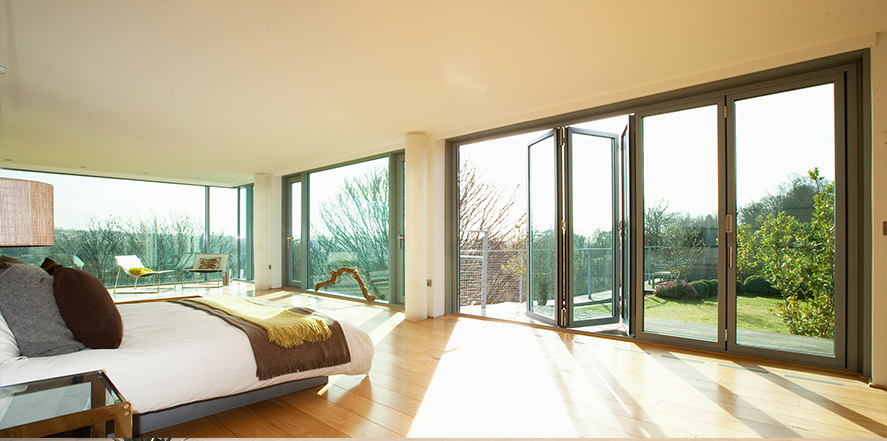


Modern architecture is moving toward spaces that can adapt to different functions. Residential buildings, hotels, and commercial projects increasingly require layouts that can be adjusted according to daily activities and user needs. Folding doors provide a practical way to connect indoor and outdoor areas, but their performance depends on the coordination of structure, materials, and hardware.
For architects, developers, contractors, and door brands, selecting the right system requires more than checking appearance. Door size, leaf arrangement, operation frequency, installation conditions, and maintenance plans all influence the final choice. A suitable معدات أبواب ثنائية الطي system can support flexible spaces while maintaining smooth operation and design consistency.
Flexible Architecture Requires Coordinated Door Solutions
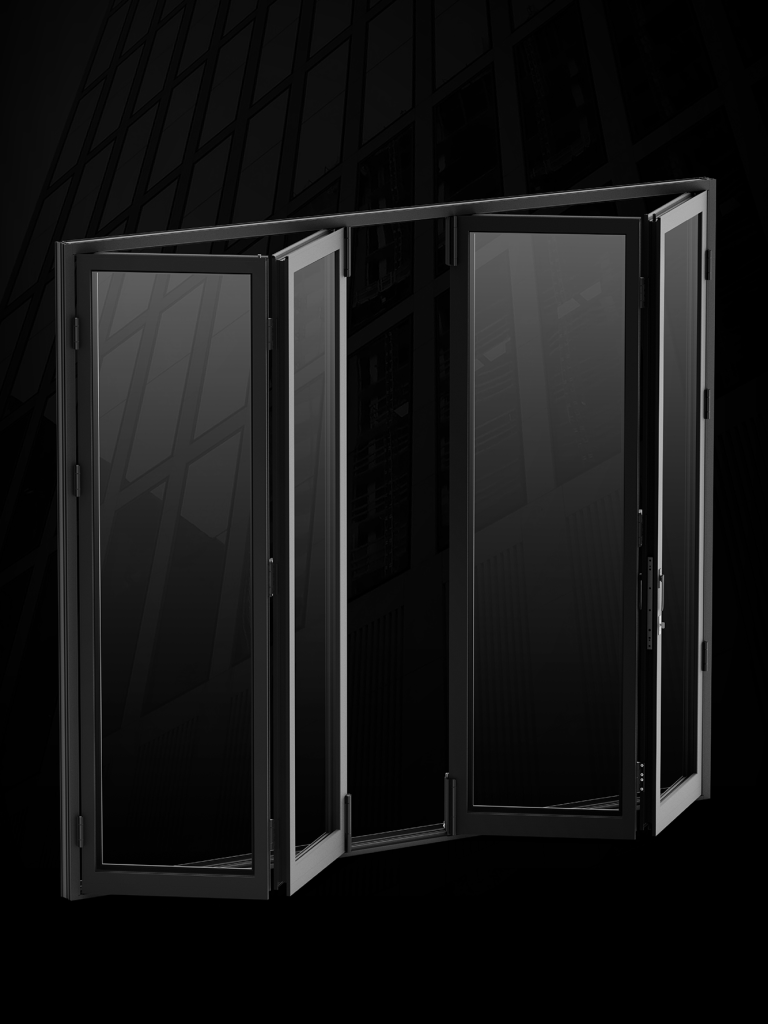
Folding doors create larger openings by allowing multiple leaves to fold together. This structure helps improve space utilization because areas can remain open when connection is needed or separated when privacy is required. It is commonly considered for villas, hospitality spaces, and modern commercial environments.
The hardware system is an important part of this design. Hinges, rollers, tracks, and transmission components need to work together to guide each leaf during opening and closing. If different parts are not matched properly, users may experience uneven movement or frequent adjustment requirements.
When evaluating bifold door hardware, we recommend starting with the door configuration. The number of leaves, panel weight, opening direction, and frame design should be reviewed before selecting the hardware. This helps project teams choose a system based on actual application conditions.
Modular Structures Support Different Opening Designs
Every project may have different space requirements. Some buildings need wide openings for better views, while others focus on improving circulation between rooms. A modular hardware structure allows designers and manufacturers to consider different folding arrangements during the planning stage.
Our even configuration system is developed specifically for even-numbered leaf configurations. It uses a modular design with a 150kg load capacity. Through high-strength materials and precision transmission mechanisms, the system supports stable load-bearing and smooth sliding operation of the door leaves.
The even-leaf configuration allows flexible multi-leaf folding while helping maximize available space. For projects that require wider visual connections, this structure can support larger openings without changing the basic purpose of the folding door design.
Hardware Performance Influences Daily Experience
A folding door is used repeatedly throughout its service life, so operation quality is an important consideration. The rollers support movement, the tracks guide the leaves, and adjustment structures help maintain proper alignment after installation.
A complete system should consider more than load capacity. Smooth movement, installation tolerance, adjustment convenience, and component coordination also influence how users experience the door. These details become especially important for large glass doors with frequent operation.
We believe hardware design should balance technical performance and practical use. The system needs to support movement while also matching the architectural concept. Surface treatment, handle style, and visible details can influence the final appearance of the space.
Design And Function Need To Work Together
Modern projects often focus on clean visual lines and open layouts. Folding doors are not only functional building elements but also part of the overall interior and exterior design. Hardware details can affect how the door integrates with the surrounding environment.
Hidden structures and minimalist handle designs can reduce unnecessary visual elements while maintaining operating functions. This approach is suitable for projects where designers want hardware to support the space without becoming a dominant feature.
At CMECH, we combine product development with manufacturing experience to support different door applications. Our experience in door hardware design and manufacturing can be traced back to the 1990s. We support product development through integrated research, production, and technical capabilities, allowing us to serve different project requirements.
Quality Control Supports Project Requirements
For large-scale projects, stable supply is an important factor during supplier evaluation. Developers and door brands need consistent specifications when multiple units are installed across different buildings or construction phases.
Quality management includes production control, testing procedures, and technical communication. We apply 15 categories of dedicated testing to review different performance requirements and help maintain product consistency during manufacturing.
Project cooperation also involves communication before and after production. Sample confirmation, specification review, delivery planning, and service response all influence the efficiency of the project process. A reliable workflow helps partners reduce unnecessary changes during construction.
System Integration Creates Flexible Building Possibilities
The future of flexible architecture depends on how different components support adaptable spaces. For flexible architectural layouts, the bifold configuration should be planned around the required clear opening, number of leaves, panel weight, stacking direction, and available space. Hardware selection should follow these layout requirements rather than treating every folding arrangement as interchangeable.
When choosing معدات أبواب ثنائية الطي, buyers can review the complete system, including configuration options, load requirements, installation conditions, and supplier support. This approach helps connect architectural ideas with practical requirements.
CMECH works with distributors, developers, contractors, designers, and door brands to provide hardware solutions based on project needs. We focus on design coordination, manufacturing stability, and application requirements to support different architectural environments.
Flexible spaces will continue to influence building design. With proper hardware planning, folding doors can provide a balance between openness, usability, and long-term performance while supporting the changing needs of modern architecture.

 English
 Arabic
 Chinese
 French
 Thai
 Vietnamese