
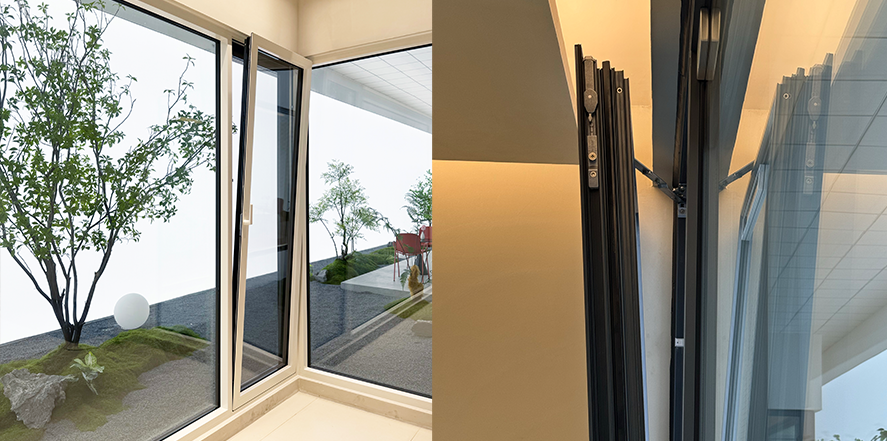


Commercial window sourcing should begin with the building requirement, not with a long product list. A إمالة واستدارة النافذة combines controlled ventilation with full inward opening, so the hardware must coordinate several movements within one sash. We recommend reviewing structure, sash conditions, appearance, testing, installation, and supply planning as one connected system.
For distributors, developers, contractors, designers, and window brands, a clear sourcing sequence can reduce avoidable changes. Project data should come first, followed by hardware matching, sample validation, and delivery planning. This approach gives buyers practical points for comparing suppliers before a larger order is confirmed.
Start With Project Conditions
Before contacting tilt and turn window manufacturers, buyers should prepare basic project information. Sash dimensions, frame material, glass weight, opening direction, building type, climate, finish requirements, and expected order volume can all affect hardware selection. Clear information helps suppliers propose a suitable configuration.
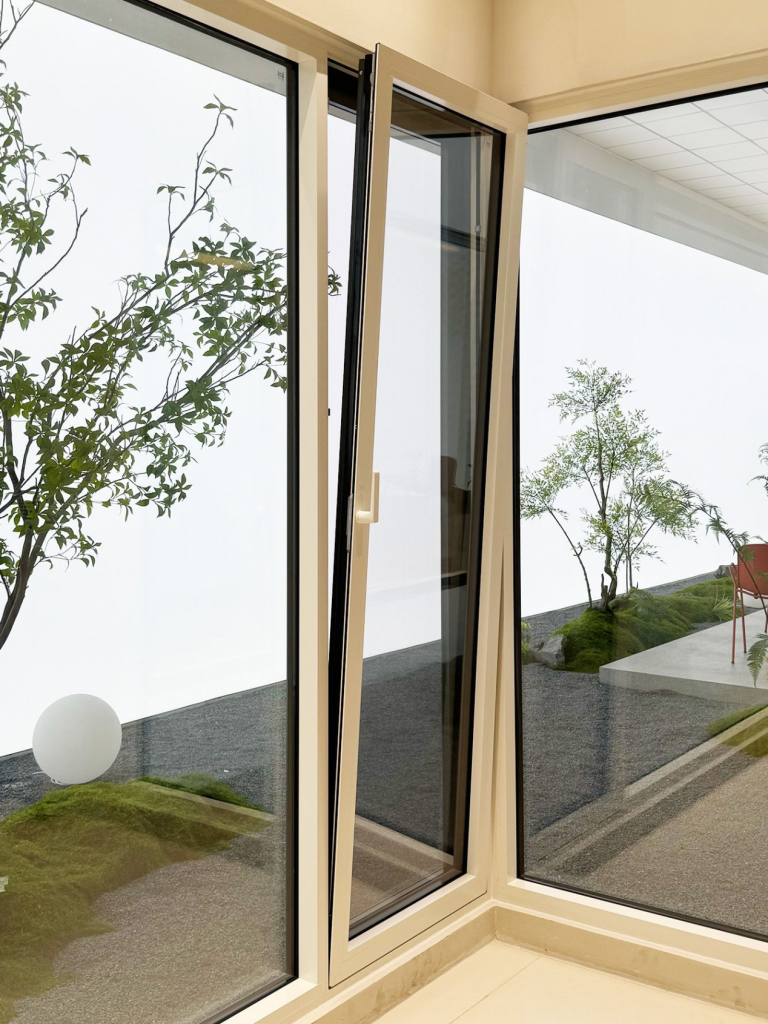
We also suggest defining how occupants will use the opening. Tilt mode supports ventilation without fully opening the sash, while turn mode provides wider access for cleaning and airflow. Hinges, locking parts, handles, and drive components therefore need to work together instead of being selected as unrelated items.
Appearance should be discussed early as well. Some projects accept visible hinges and conventional handles, while others require a cleaner interior face. That decision influences hinge structure, handle style, profile preparation, and installation details.
Concealed Hardware Supports Cleaner Design
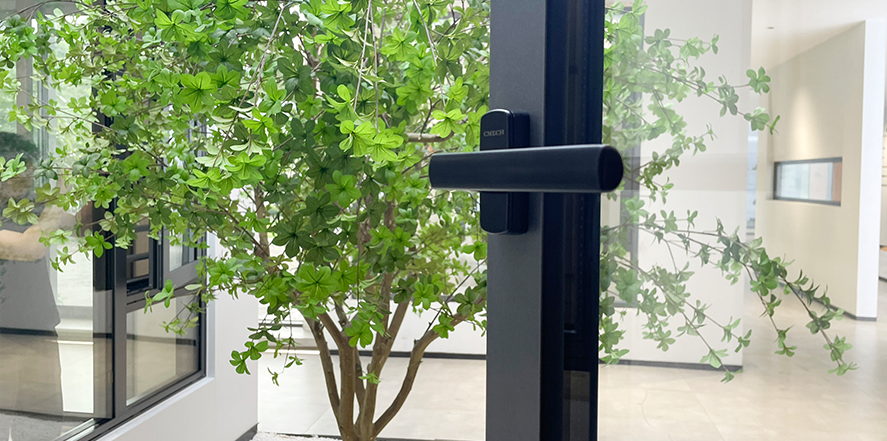
Concealed hardware is useful when a project calls for fewer visible components around the sash. By hiding the hinge structure, the window can maintain simpler sightlines. A baseless or minimalist handle can continue that design approach and reduce the visual weight of the operating hardware.
Our concealed configuration offers multiple load bearing specifications for different application needs. It can be paired with minimalist high end handles and a concealed hinge structure. The aim is a clean window appearance while keeping the required opening and supporting functions.
For a tilt and turn window, concealed design still requires careful technical matching. Buyers should confirm that the selected load specification fits the sash and that the profile allows correct installation. They should also review adjustment access for installation and later servicing.
Evaluate the Hardware as a Complete System
A sourcing review should not focus only on the handle or hinge. The handle sends user input into the drive system, locking components coordinate around the sash, and the hinges carry and guide movement. We recommend checking how these parts interact.
When comparing مصنعي نوافذ المفصلة والمحورية, buyers can ask how handle, drive, locking, and hinge parts are matched for different sash conditions. They should also ask what changes when dimensions, weight, or profile design change. Useful technical support connects each choice with the window specification.
Surface treatment is another practical factor. Humid, coastal, hot, or frequently used environments can place different demands on exposed and internal parts. We suggest discussing finish requirements together with corrosion related testing and project location instead of selecting a surface treatment only by color or visual preference.
Use Verification to Support Procurement Decisions
Testing gives buyers a more structured way to review hardware before project use. Load tests, cycle tests, corrosion-related checks, operating tests, and other dedicated evaluations can help determine whether a configuration has been assessed for its intended function. The test evidence should also match the actual project conditions.
CMECH applies 15 categories of dedicated testing within its quality process and holds ift certification based on European standards. Its research and production base covers 70,000 m², providing facilities for product development, manufacturing, and verification. The company’s experience in hardware design and manufacturing can be traced back to the 1990s.
When reviewing tilt and turn window manufacturers, procurement teams should also look beyond testing and production capacity. Specification control, packaging, delivery schedules, communication, and phased shipments can all affect project execution. CMECH provides a 10-year hardware warranty and operates more than 100 sales and service points worldwide, which can support communication during later project stages.
Validate Samples Before Larger Orders
Sample validation should reproduce the intended window as closely as possible. Designers can review hinge visibility, handle proportion, and finish. Fabricators can check profile preparation and adjustment. Contractors can examine installation access, while distributors can confirm how the system will be explained and supported in their market.
We recommend operating the sample repeatedly through both opening modes instead of judging it only in the closed position. A complete tilt and turn window sample can reveal alignment, handle resistance, contact points, gaps, or adjustment needs before order quantities increase.
Feedback should be recorded in clear technical terms. Rather than saying that operation feels wrong, teams can identify where resistance occurs or which part needs adjustment. Specific comments reduce ambiguity for design, purchasing, fabrication, and supplier teams.
Build the Partnership Around Project Fit
A practical sourcing roadmap moves from project conditions to concealed design, system matching, verification, production review, and sample validation. Each stage answers a different purchasing question. Together, they help buyers judge whether the proposed hardware suits the window, building environment, installation process, and delivery plan.
At CMECH, we work directly with distributors while supporting project needs involving developers, contractors, designers, and window brands. We focus on concealed hardware, baseless handle design, surface treatment, technical verification, and stable delivery. Our goal is to help partners move from a clear specification to sample approval and planned supply.

 English
 Arabic
 Chinese
 French
 Thai
 Vietnamese