



A large luxury sash must perform two different movements without changing its structural reference. It tilts for controlled ventilation, turns inward for cleaning, and returns to a tight perimeter seal. The hardware must carry glass weight through both positions while keeping the frame, hinge side, and locking points aligned after repeated operation.
Tilt and turn windows place distinct demands on the same set of supports: the sash pivots inward in one mode and tilts for ventilation in another. CMECH coordinates concealed hinges, drives, locking elements, and handles so the selected arrangement can be reviewed against its load and adjustment limits.
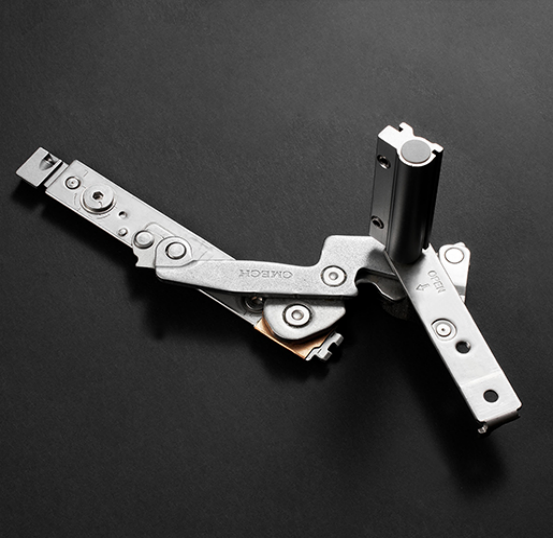
The Sash Load Travels Through a Hidden Path
When the handle changes position, the sash does not simply swing on one hinge. The concealed hinge transfers vertical glass load into reinforced support arms, while the corner drives and locking elements keep the sash located against the frame. In turn mode, the hinge side controls rotation; in tilt mode, the upper restraint limits the opening angle and redirects force.
That distinction explains why heavy mechanical standards matter. A hinge can carry a stated load only when the profile groove, fastener engagement, sash geometry, and glazing distribution match the intended configuration. If one interface shifts, the sash reference moves before the handle feels abnormal. The consequence appears later as corner sag, uneven gasket compression, or difficult mode change.
For buyers, the useful question is not whether a fitting looks substantial. It is whether every component participates in the same load path. This differs from ordinary door hardware, where hinge leaves often support a predictable vertical axis. A tilt and turn window combines rotation, ventilation positioning, and perimeter locking, so its mechanical specification must describe all three states.
How Do Dual Gears Control Tilt and Turn Movement?
The operating sequence begins at the handle. Rotation enters the drive gearbox, where meshed gears transmit motion without allowing the spindle to wander. The drive then distributes movement along the sash perimeter, bringing locking points into position before the hinge system permits the selected turn or tilt action. Correct sequencing prevents competing movements from loading the wrong component.
Our إمالة واستدارة النافذة hardware uses patented dual-gear technology to reduce play and backlash between the drive elements. The stainless steel faceplate resists wear and deformation, while the anti-drift design helps maintain alignment. In practical terms, the handle sends a repeatable command instead of losing travel through clearance inside the gearbox.
That mechanical clarity matters in luxury apartments where occupants change modes frequently. Excess backlash can leave a locking point short of engagement, so the sash appears closed while compression varies around the frame. A properly meshed drive keeps movement coordinated, which supports smoother operation, more consistent weather sealing, and fewer corrective adjustments during handover and service.
Adjustment Converts Capacity Into Reliable Sealing
Load capacity alone does not determine field performance. After the sash is glazed and hung, installers must relate hinge position, locking pressure, and seal contact. Concealed hardware is valuable because adjustment remains within the hardware geometry rather than being corrected by forcing the visible frame or shifting the sash beyond its designed reference.
The product range provides load ratings from 80 kg to 130 kg, with applicable sash widths of 490–1,200 mm and heights of 600–2,800 mm. These figures are screening limits, not permission to ignore glass weight or profile checks. A taller sash may fit the range yet require a different load assessment because glazing changes the moment at the hinge side and affects operating effort.
During commissioning, adjustment should remove binding before increasing compression. First confirm that the sash sits squarely; then check that the drive reaches each locking point; finally verify gasket contact through the perimeter. This order matters because excess compression can hide a load-path problem, increase handle effort, and transfer unnecessary stress into the gearbox or hinge support.
The Concealed Configuration Fits Premium Residential Projects
For a luxury mountain residence, we at CMECH specify the concealed configuration with Milan or Venice Series handles, a concealed hinge structure, patented dual-gear drive technology, stainless steel faceplate, locking elements, and reinforced 304 stainless steel support arms. The German tilt and turn windows configuration supports load ratings from 80 kg to 130 kg and keeps the hinge hidden from the interior view.
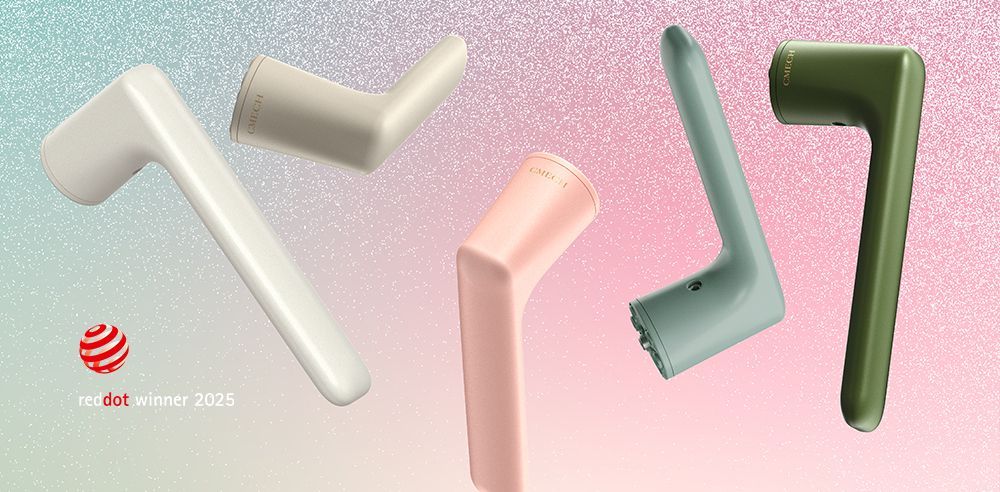
The concealed arrangement supports a cleaner architectural line because the hinge body does not interrupt the frame sightline. Its mechanical value is equally important: reinforced support arms carry sash reaction, while fully adjustable sealing geometry lets the installer tune contact after glazing. The Milan and Venice handle options add a controlled operating interface without changing the underlying force path.
We would apply this system to repeated bedroom and living-room openings where large glass areas, quiet operation, and coordinated interior finishes are specified together. The same logic suits premium hotels, but each project still needs profile matching, glazing calculations, drainage review, and a confirmed opening sequence before the hardware is released for fabrication.
Capacity Should Lead the Final Specification
For the mountain residence, choose the concealed configuration only after its hinge capacity, sash dimensions, drive engagement, and sealing adjustment suit the glazed opening. The clean interior sightline then follows from a mechanism selected for the actual panel rather than from concealment alone.
At handover, retain the glazing calculation and the installed hinge and seal settings. Fabricators and service teams still need to verify frame accuracy, fasteners, drainage, and adjustment, particularly when the same visual design is used for windows of different sizes.

 English
 Arabic
 Chinese
 French
 Thai
 Vietnamese