



Architectural design is moving toward cleaner lines, wider views, and smoother connections between indoor and outdoor spaces. Sliding glass doors support this trend by creating open layouts while maintaining practical functions. However, the visible details of door hardware can influence the overall appearance of a project.
For designers, developers, and door brands, hardware selection is not only about operation. The internal structure, handle design, and finishing details also affect the visual result. This is why ملحقات باب جر ورفع has become an important part of modern architectural planning.
The Role of Hidden Hardware in Door Design
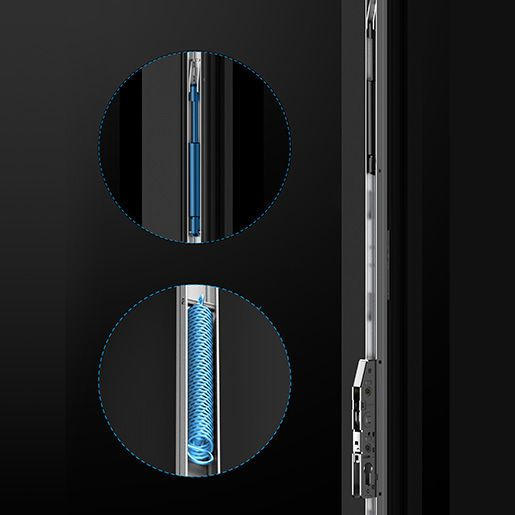
Traditional sliding door systems often include exposed components that may interrupt the simple appearance of glass surfaces. With hidden hardware designs, more functional parts are integrated into the door structure, allowing the exterior to remain cleaner.
A concealed system can support different architectural styles, especially projects that focus on minimalist design. By reducing visible mechanical elements, designers have more flexibility when creating continuous glass surfaces and balanced visual effects.
When selecting hardware for sliding glass doors, project teams should consider both appearance and technical performance. Factors such as load capacity, movement control, sealing ability, and installation requirements all influence the final application.
Exploring Design Details Behind Smooth Operation
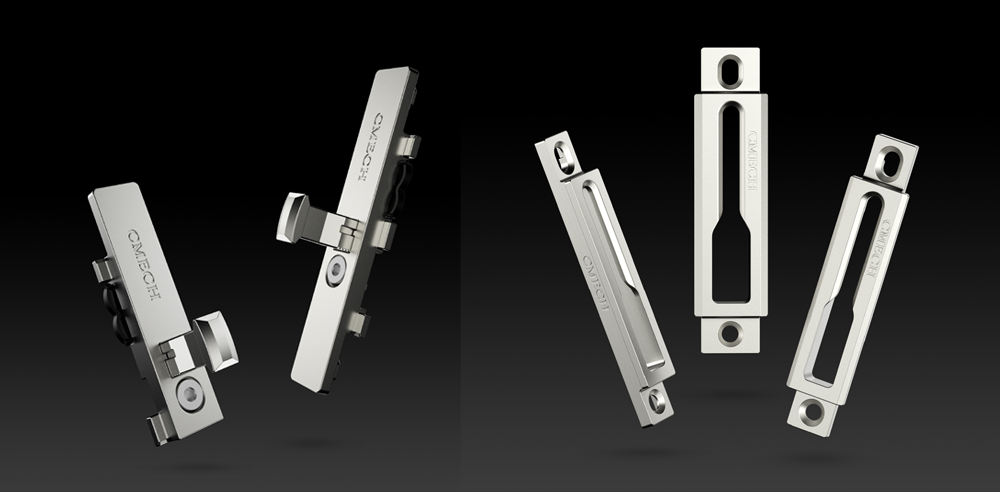
The operation of a sliding glass door depends on the cooperation between multiple hardware components. A stable lifting mechanism allows the sash to move upward before sliding and return to its position after closing, helping create a smoother user experience.
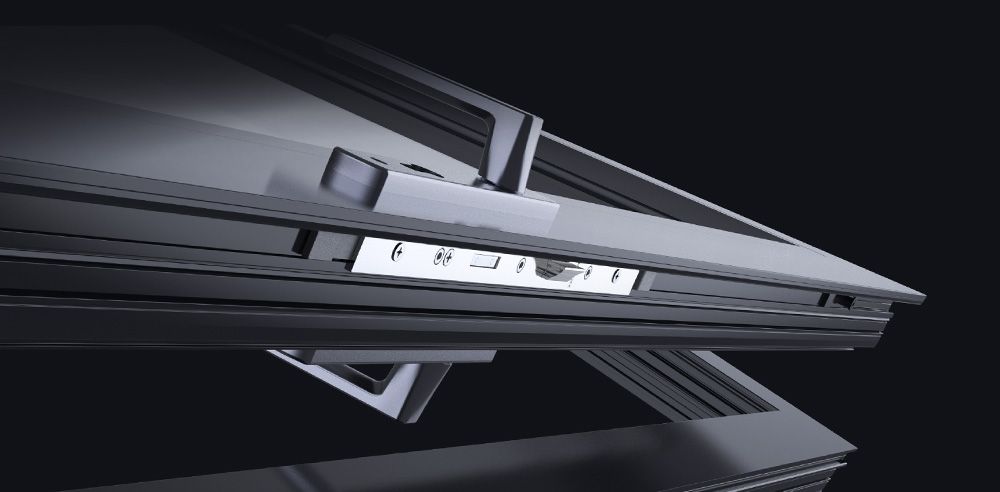
Our lift and slide door hardware solution provides different load-bearing options from 200kg to 450kg for various door requirements. The handle uses a 180° rotation design to control the sash lifting and lowering movement with precise operation.
The system combines a high-strength structure with sealing technology to improve sound insulation and airtight performance. These features help sliding doors meet practical needs while keeping the overall design clean.
A Hardware Approach Focused on Aesthetic Balance
Modern architectural projects often require hardware that supports both design concepts and daily operation. Hidden components and handle structures without visible bases can help create a more integrated appearance between the door and surrounding space.
Compared with traditional exposed hardware designs, concealed solutions provide another option for projects that value visual simplicity. Surface treatment processes also influence the final appearance, especially when hardware needs to match different architectural materials.
We develop door and window hardware solutions with attention to design, manufacturing control, and application requirements. Our 70,000㎡ research and production base supports product development, testing, and production management for different project needs.
Reviewing Performance Factors Before Project Selection
Aesthetic requirements are important, but technical evaluation remains necessary before choosing hardware for sliding glass doors. Project teams should review sash weight, panel dimensions, opening frequency, climate exposure, and installation requirements before selecting a suitable system. These factors help determine whether the proposed hardware configuration matches the intended application.
For international projects, certification information can provide additional references during supplier evaluation. ift certification can be considered when the tested product configuration matches the planned hardware application and project requirements.
Our production process includes 15 types of specialized testing procedures to evaluate different performance aspects. These tests support quality control and help maintain consistency during manufacturing.
How Manufacturing Capability Supports Global Projects
Architectural hardware projects usually involve multiple stages, from design communication to production and installation. Stable delivery and technical cooperation can help partners manage project schedules more effectively.
At CMECH, we combine manufacturing experience with service support to work with distributors, developers, and door brands in different markets. Our business includes global sales service points and production capacity for various project requirements.
For partners, supplier selection involves more than product specifications. Production ability, quality management, and communication efficiency are also important parts of long-term cooperation.
Future Trends in Sliding Door Applications
As buildings place more focus on natural lighting and open spaces, glass sliding doors are being used in more residential and commercial projects. Hardware systems need to support these designs while maintaining comfortable operation.
The development of hardware for sliding glass doors shows a shift toward solutions that combine hidden structures with practical functions. Designers now pay attention to how hardware integrates with the whole building instead of viewing it as a separate component.
Future door designs may continue to balance appearance, performance, and user experience. Hardware that supports larger glass panels while maintaining smooth movement can provide more possibilities for architectural applications.
Creating Value Through Detailed Hardware Choices
Small hardware details can influence how people interact with a building every day. A suitable system connects visual design with practical performance, allowing sliding doors to become part of the overall architectural concept.
We continue to focus on product design, manufacturing processes, and application support for partners who need reliable door hardware solutions. Through engineering cooperation and quality management, we help customers evaluate options based on project conditions.
Aesthetic transformation does not only come from visible materials or structures. It also comes from hidden details that improve how spaces look and function. Choosing suitable lift and slide door hardware helps create sliding glass door systems with balanced design and performance.

 English
 Arabic
 Chinese
 French
 Thai
 Vietnamese