



A sliding door is something most people interact with every day, even if they rarely notice how it works. In a modern home, a hotel room, or a commercial building, people expect a sliding door to open quietly, close securely, and continue working smoothly after years of daily use.
Sliding doors look simple from the outside. But under the glass, there are a few small components that determine determine whetherthe door continues tooperate smoothly over yearsof use.
This guide breaks down exactly what makes up a sliding door hardware kit, when to go for concealed อุปกรณ์ประตูบานเลื่อน, and how to match the hardware to your project—whether it’s a high-rise, a beach house, or a single residential unit.
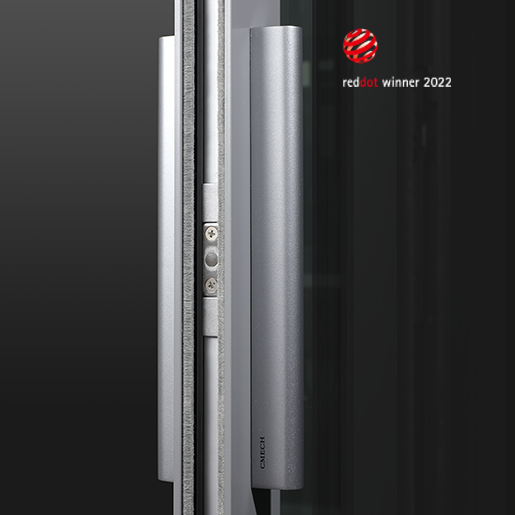
What Is Sliding Door Hardware and Why Does It Matter?
Sliding door hardware is the mechanical solution — rollers, tracks, handles, and locking points — that allows a door panel to glide horizontally rather than swing on hinges. It’s important because it’s the biggest factor separating a door that performs for years from one that generates callbacks.
A door slab can be perfectly engineered, but if the roller bracket can’t distribute weight evenly, the panel will sag. If the lock body isn’t rated for repeated cycles, it will loosen. As a result, developers and window/door brands lose far more time to hardware failures than to glazing or frame issues.
For designers, the stakes are different but just as real. A handle that rattles or a track that whines undermines an otherwise premium interior. Therefore, hardware selection deserves the same scrutiny as the door slab itself — not an afterthought bolted on at the end of a spec sheet.
What Should Go Into a Sliding Door Hardware Kit?
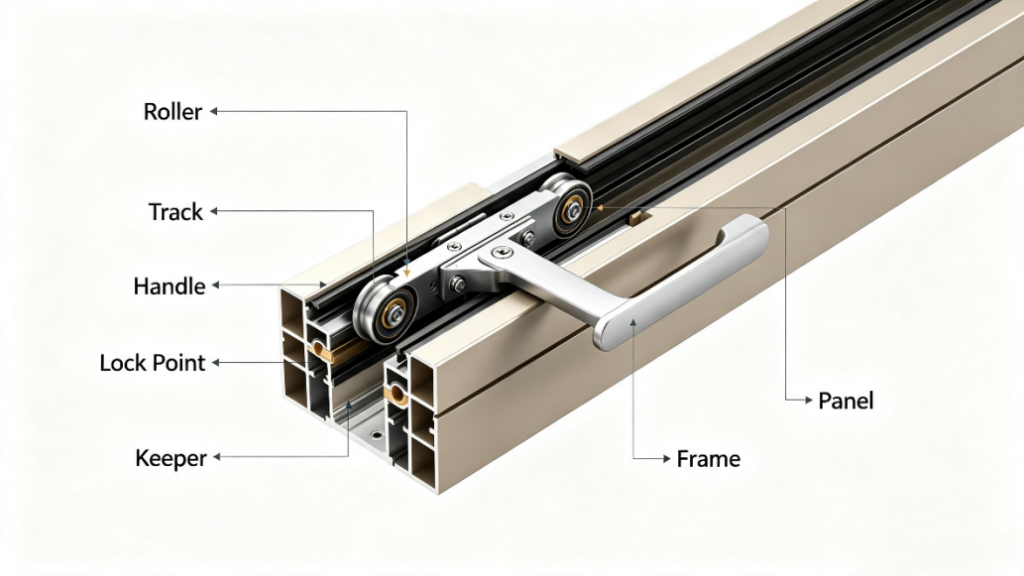
A complete sliding door hardware kit needs four core parts working together: a roller solution, a track, a handle with integrated locking, and lock points or keepers. Skipping or under-specifying any one of them shows up as a performance problem later.
The Core Components of a Complete Kit
Each component solves a specific problem. The roller carries the weight; the track guides the motion; the handle operates the lock; the keepers hold the panel secure when closed.
| Component | Function | What to Check When Specifying |
| ลูกกลิ้ง | Carries panel weight, enables smooth glide | Load rating, bearing type, cycle rating |
| Handle + lock body | Operates and secures the door | Locking points, force resistance, profile thickness |
| ติดตาม | Guides the panel’s path | Width, material, compatibility with roller type |
| Keepers / lock points | Hold the panel closed and aligned | Adjustability, corrosion resistance |
Because these parts interact directly, mismatched components are a common cause of premature wear. For example, a roller rated for 150 kg paired with a 250 kg glass panel will fail well before its rated cycle count.
How Sash Size and Load Capacity Should Guide Your Kit Choice
Select sliding door hardware based on sash size, panel weight, and operational needs—not just appearance or price. As doors grow larger and glass panels wider, the hardware must support smooth, reliable movement with adequate load capacity.
In professional door and window engineering, load selection depends on glass thickness, sash dimensions, frame design, and expected usage frequency. Larger sashes increase stress on rollers, tracks, and locks—so hardware must be rated for the panel’s actual weight, not estimated visually.
For oversized residential, hospitality, and commercial sliding doors, heavy-duty rollers and reinforced tracks are often essential to ensure smooth operation and minimize premature wear. Properly rated hardware prevents long-term issues like increased operating resistance, uneven motion, and alignment problems.
Hidden sliding door hardware refers to recessedhandles and integratedlocking mechanisms that create a cleaner appearance, making them almost invisible on the finished surface. It exists to solve one specific problem: visible hardware interrupts a clean architectural line.
What is the difference between concealed and visible sliding door hardware?
The core difference is where the mechanism sits. Visible hardware mounts on the surface of the panel; hidden sliding door hardware sits within a recessed handle pocket or an internal drive solution, leaving only a slim profile or flush plate showing.
However, “concealed” doesn’t mean simplified. A recessed handle still needs a full locking mechanism behind it — often a multi-point lock driven through the door profile — so the engineering complexity moves inward rather than disappearing.
Concealed hardware earns its cost premium in specific settings, not everywhere:
- High-end residential interiors where a flush, uninterrupted wall line is a design priority
- Hospitality and hotel projects where guests interact with the door daily and expect a refined feel
- Frameless or minimal-frame glass sliding solution, where visible fittings would break the aesthetic
- Projects where the window/door brand is differentiating on design rather than price
For budget-driven residential or high-turnover commercial projects, standard visible hardware often delivers equivalent performance at a lower installed cost — so it’s worth matching the hardware tier to the project’s actual design brief, not defaulting to concealed by habit.
How Should You Choose Hardware for Different Project Types?
The right hardware choice changes depending on who’s specifying it and where the building sits. A developer running a 40-story tower and a designer fitting out a single villa are solving different problems, even though both are buying “sliding door hardware.”
Developers and EPC contractors prioritize consistency, lead time, and compliance documentation over aesthetic detail. Because hundreds of units need identical performance, standardized kits with predictable load ratings and available technical support matter more than custom finishes.
Designers, by contrast, are usually specifying a small number of doors where the visual outcome carries more weight. Quiet operation, finish consistency with other hardware in the home, and slim profiles tend to drive the decision here — which is why concealed or recessed handle options come up more often in this segment.
Projects near the coast — common across parts of the Middle East and Southeast Asia — face accelerated corrosion on any hardware not rated for salt and humidity exposure. As a result, material selection (stainless steel components, corrosion-resistant coatings) becomes as important as load rating in these regions.
| Project Type | Primary Priority | Hardware Implication |
| High-rise/commercial | Consistency, compliance, lead time | Standardized, heavy-duty kits |
| Residential / villa | Aesthetics, quiet operation | Concealed or recessed hardware |
| Coastal/humid climate | Corrosion resistance | Stainless steel, sealed bearings |
Introducing CMECH’s Sliding Door Hardware Series
ซีเมค has nearly 30 years of experience providing hardware solution for windows and doors, working with developers, architects, designers, and window/door brands across the Middle East, Southeast Asia, and beyond.
Its sliding door hardware series is built around the same problem-solving logic outlined above: matching specific hardware to specific load, aesthetic, and durability requirements.
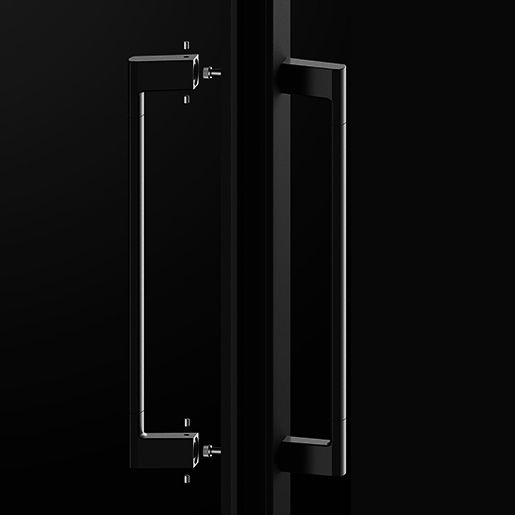
The kit includes four core components. The Milan Handle is machined from a single piece of aluminum alloy, and each mounting screw is rated to withstand 2,000 N of force, which keeps the handle from developing wobble over years of use.
The Metro Handle, paired with its drive gear, combines the handle and lock into one unit, uses a linear ball-bearing mechanism rated beyond 100,000 cycles, and holds a 30 mm profile — slim enough for doors with integrated screen sashes.
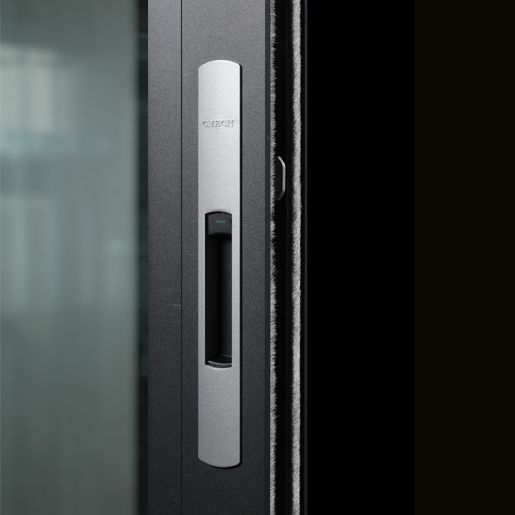
For projects that need a lower visual profile, the Recessed Handle with T-Drive uses a patented ball-bearing locking mechanism that resists more than 100 N of prying force and has passed 30,000 lock cycles in testing — a direct answer to the concealed hardware use case covered earlier in this guide.
Underneath all three handle options, the Sliding Door Roller uses a 304 stainless steel bracket with a triple-layer adjustable design, tested to 120,000 cycles, and rated up to 300 kg — relevant for the coastal, high-humidity conditions common across CMECH’s core markets.
The full solution covers sash widths from 500 to 3,000 mm and sash heights above 750 mm, which is why CMECH’s hardware has been specified across a range of residential and hospitality developments, including projects in Bangkok’s Sathorn district and multiple coastal resort developments in Vietnam.
How Do You Install and Maintain Sliding Door Hardware for Long-Term Performance?
Long-term performance depends less on the hardware itself and more on installation accuracy and a basic maintenance routine. Even a well-rated kit will underperform if the track isn’t level or the roller height isn’t adjusted correctly.
Start by confirming the panel weight against the roller’s rated capacity before installation — not after the door is hung. Then check that the track sits perfectly level; even a few millimeters of slope forces the roller to work against gravity constantly, shortening its cycle life.
Once installed, adjust the roller height so the panel doesn’t drag on the track or leave a visible gap at the threshold. For example, a 2–3 mm clearance follow the clearancerecommended by thehardware manufacturer, though heavier commercial panels may need a slightly wider tolerance.
Finally, perform a light maintenance check every 6–12 months: clear debris from the track, verify lock points engage smoothly, and lubricate roller bearings per manufacturer specs—this single step prevents most post-handover “sticking door” complaints.
Conclusion — Matching the Right Kit to the Right Application
Choosing sliding door hardware comes down to answering three questions in order: how much weight does the panel carry, does the project call for visible or concealed hardware, and what environmental conditions will the hardware face over its lifespan? Get those three right, and the finish and brand become secondary decisions rather than guesswork.
Whether you’re specifying hundreds of units for a tower or a handful of doors for a single villa, matching the kit to the application upfront avoids the callbacks and premature wear that come from treating hardware as an afterthought.
For developers, designers, and window/door brands evaluating options, CMECH’s full range of door and window hardware solution and its dedicated product catalog are useful starting points for comparing specifications against your project’s requirements.


 English
 Arabic
 Chinese
 French
 Thai
Thai Vietnamese