
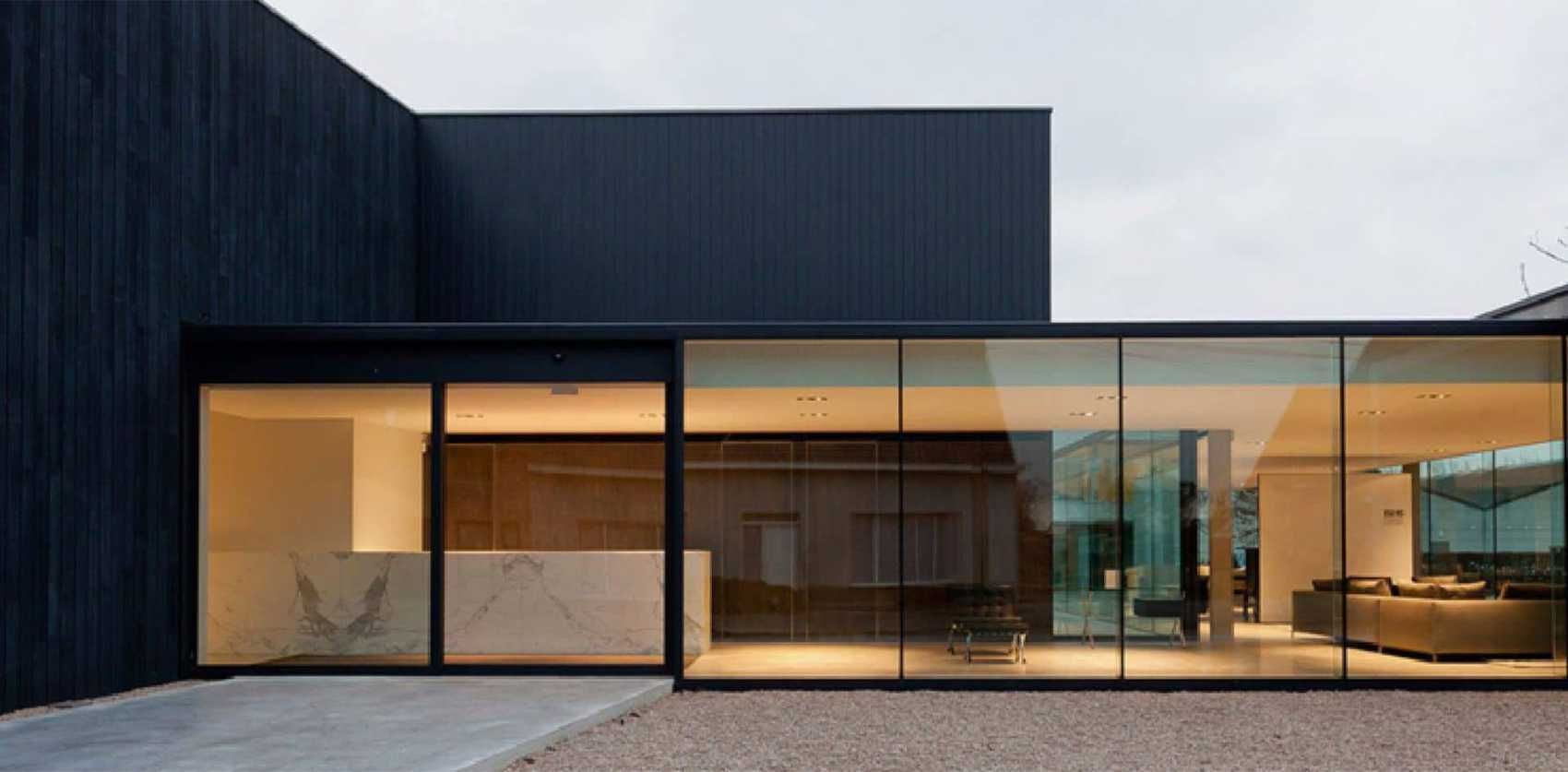


ตลอดระยะเวลา 20 ปีที่ผ่านมา เราภูมิใจที่จะกล่าวว่าทีมงานของเราที่ CMECH ได้อยู่ในตำแหน่งผู้นำของอุตสาหกรรมฮาร์ดแวร์ประตูและหน้าต่าง เราได้เห็นการเติบโตของประตูบานเลื่อน ซึ่งได้รับการยกย่องในความหลากหลายในการใช้งานที่ประหยัดพื้นที่และความสวยงามที่เรียบหรู ปัจจุบัน ประตูบานเลื่อนได้รับความนิยมอย่างมากในโครงการพัฒนาที่อยู่อาศัยระดับสูงและบ้านหรู.
เนื่องจากแนวโน้มทางสถาปัตยกรรมสมัยใหม่ต้องการประสิทธิภาพที่เพิ่มขึ้นและผลักดันขีดจำกัดด้วยอาคารหรูหราที่สูงขึ้นและกว้างขวางมากขึ้น ประตูบานเลื่อนแบบดั้งเดิมจึงเริ่มไม่สามารถตอบสนองความคาดหวังได้.
ประตูบานเลื่อนแบบยกขึ้น ผลิตขึ้นจากแนวคิดประตูบานเลื่อนที่ได้รับความนิยม มอบความสะดวกสบายในการใช้งานและฟังก์ชันการทำงานที่ล้ำสมัย พร้อมสัมผัสแห่งความหรูหราอย่างนุ่มนวล มอบโซลูชันที่ผสานการออกแบบ ประสิทธิภาพ และความสะดวกสบายได้อย่างลงตัว.
แล้วอะไรคือความแตกต่าง? มาสำรวจกันเถอะ!
ความแตกต่างระหว่างประตูบานเลื่อนยกและประตูบานเลื่อน
เมื่อมองแวบแรก ประตูบานเลื่อนแบบยกและประตูบานเลื่อนทั่วไปอาจดูคล้ายกัน แต่เราขอรับประกันว่าคุณจะสัมผัสได้ถึงความแตกต่างทันทีที่ลองเปิดใช้งานประตูบานเลื่อนยกถือเป็นประตูบานเลื่อนระดับพรีเมียม โดยทั่วไปใช้สำหรับงานขนาดใหญ่และงานหนัก ความแตกต่างที่สำคัญที่ทำให้สัมผัสการใช้งานเหนือระดับคือระบบฮาร์ดแวร์ที่ใช้ในประตูบานเลื่อนยก ซึ่งรวมถึงมือจับยกแบบพิเศษ กลไกการส่งกำลัง และลูกกลิ้งขั้นสูง คุณสมบัติเหล่านี้ทำให้ประตูบานเลื่อนยกแตกต่างจากประตูบานเลื่อนทั่วไปด้วยการมอบความคล่องตัวที่มากขึ้น ความสามารถในการรับน้ำหนักที่สูงขึ้น และความสามารถในการปิดผนึกที่ดีขึ้น.

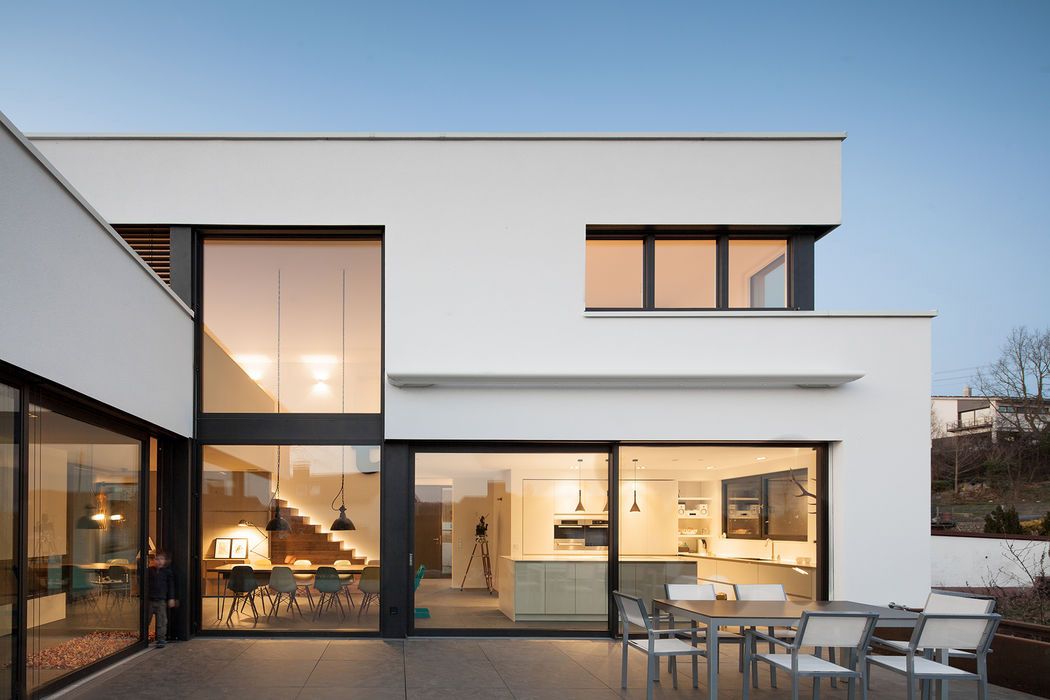
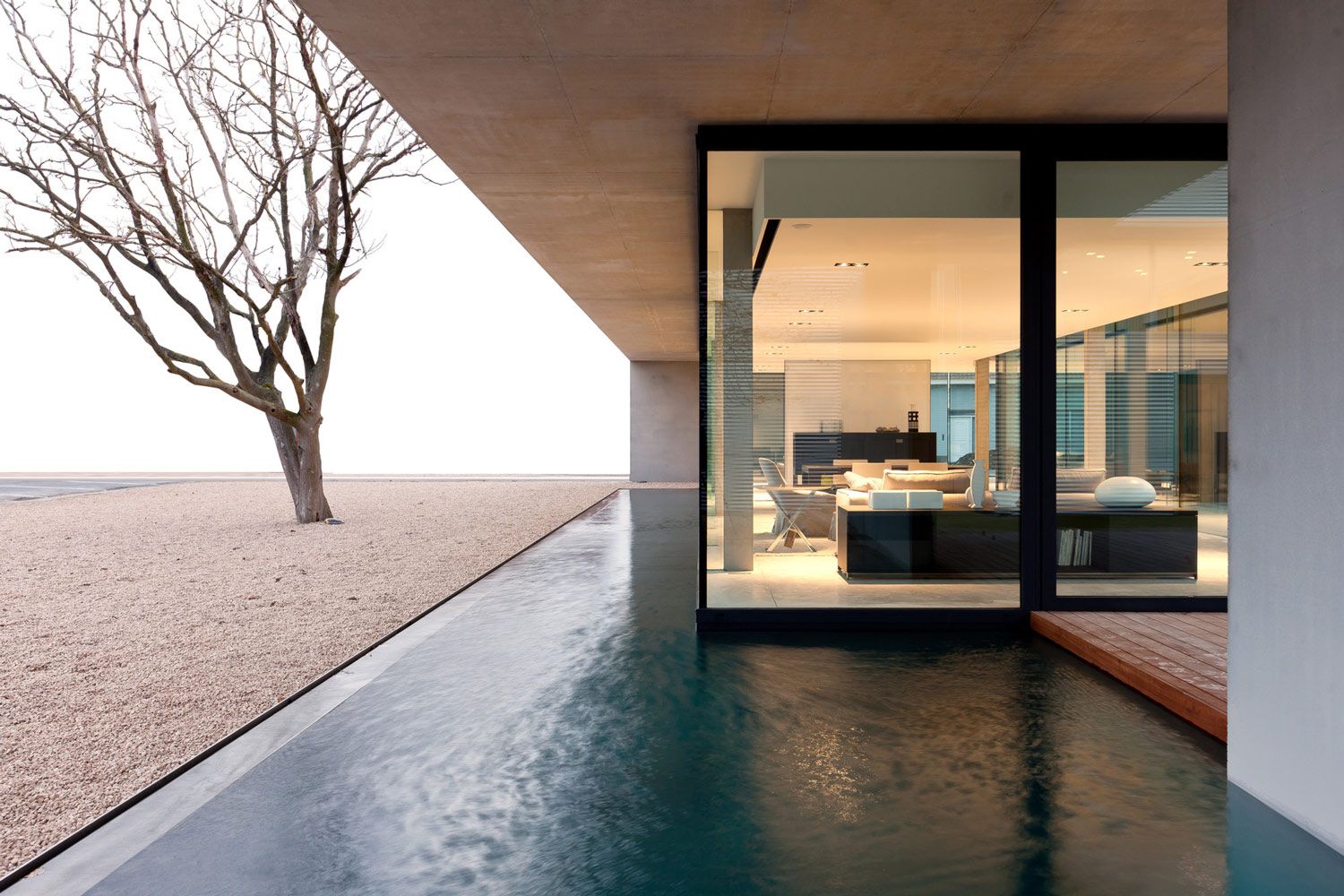
ประตูบานเลื่อนยกคืออะไร?
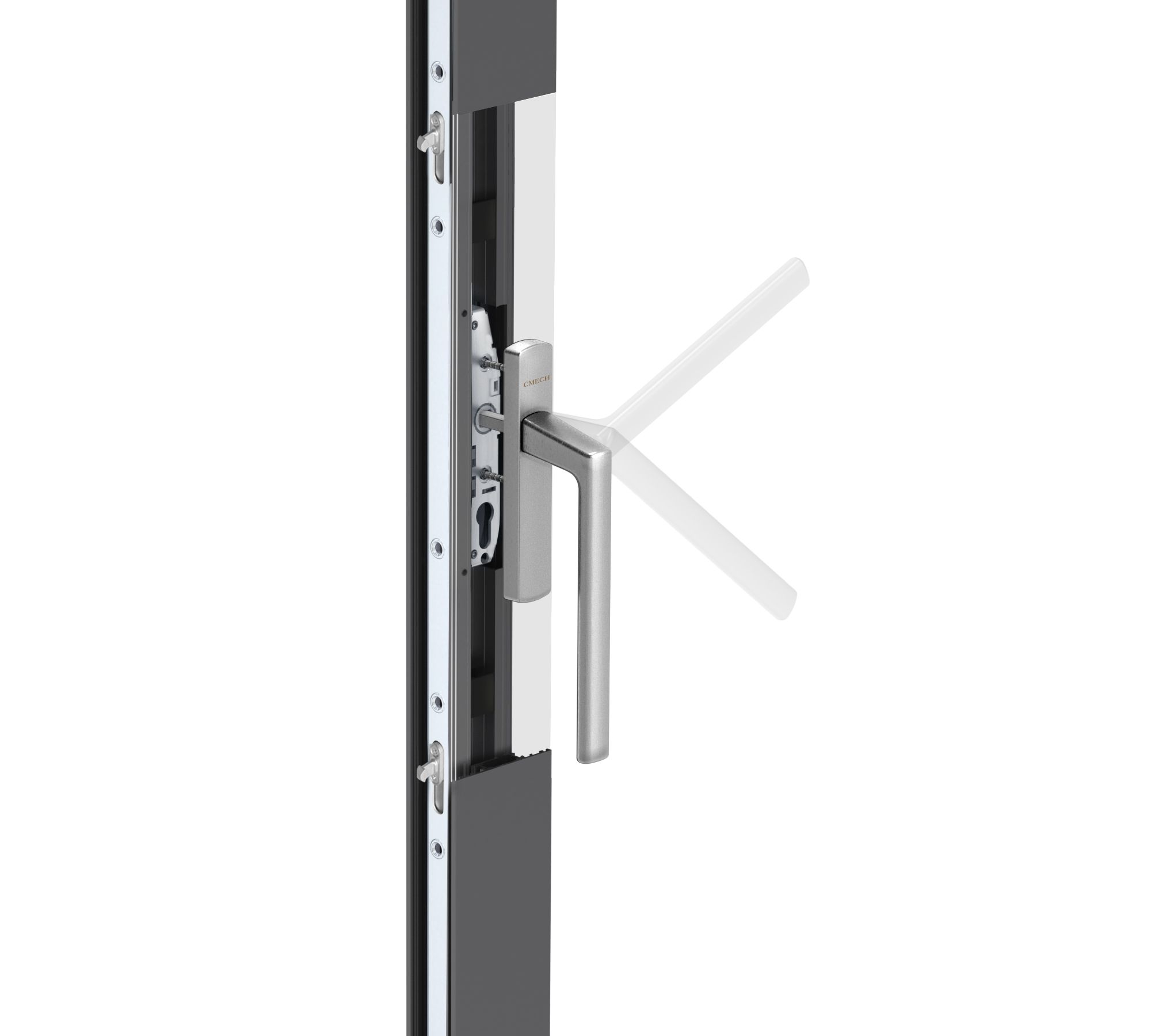
โครงสร้างภายนอกของประตูเลื่อนยกประกอบด้วยกรอบประตูและแผงประตู ระบบฮาร์ดแวร์ประกอบด้วยมือจับ กลไกการส่งกำลัง และลูกกลิ้ง ประตูเลื่อนยกใช้หลักการของแรงงัด: โดยการหมุนมือจับแขนยาวพิเศษ ผู้ใช้สามารถควบคุมฟังก์ชันการยก การยึด และการเลื่อนของแผงประตูได้.
เมื่อหมุนด้ามจับลงด้านล่าง 180° กลไกการส่งกำลังจะทำงาน ทำให้ลูกกลิ้งเลื่อนลงบนรางและยกแผงประตูขึ้น ทำให้สามารถเลื่อนไปบนรางได้อย่างราบรื่น ในทางกลับกัน เมื่อหมุนด้ามจับขึ้นด้านบน 180° ลูกกลิ้งจะหลุดออกจากราง และแผงประตูจะลดลงเนื่องจากแรงโน้มถ่วง กดแถบซีลให้แนบสนิทกับกรอบเพื่อให้เกิดการปิดผนึกทันทีและมีประสิทธิภาพ.
ลิฟต์สไลด์ทำงานอย่างไร?
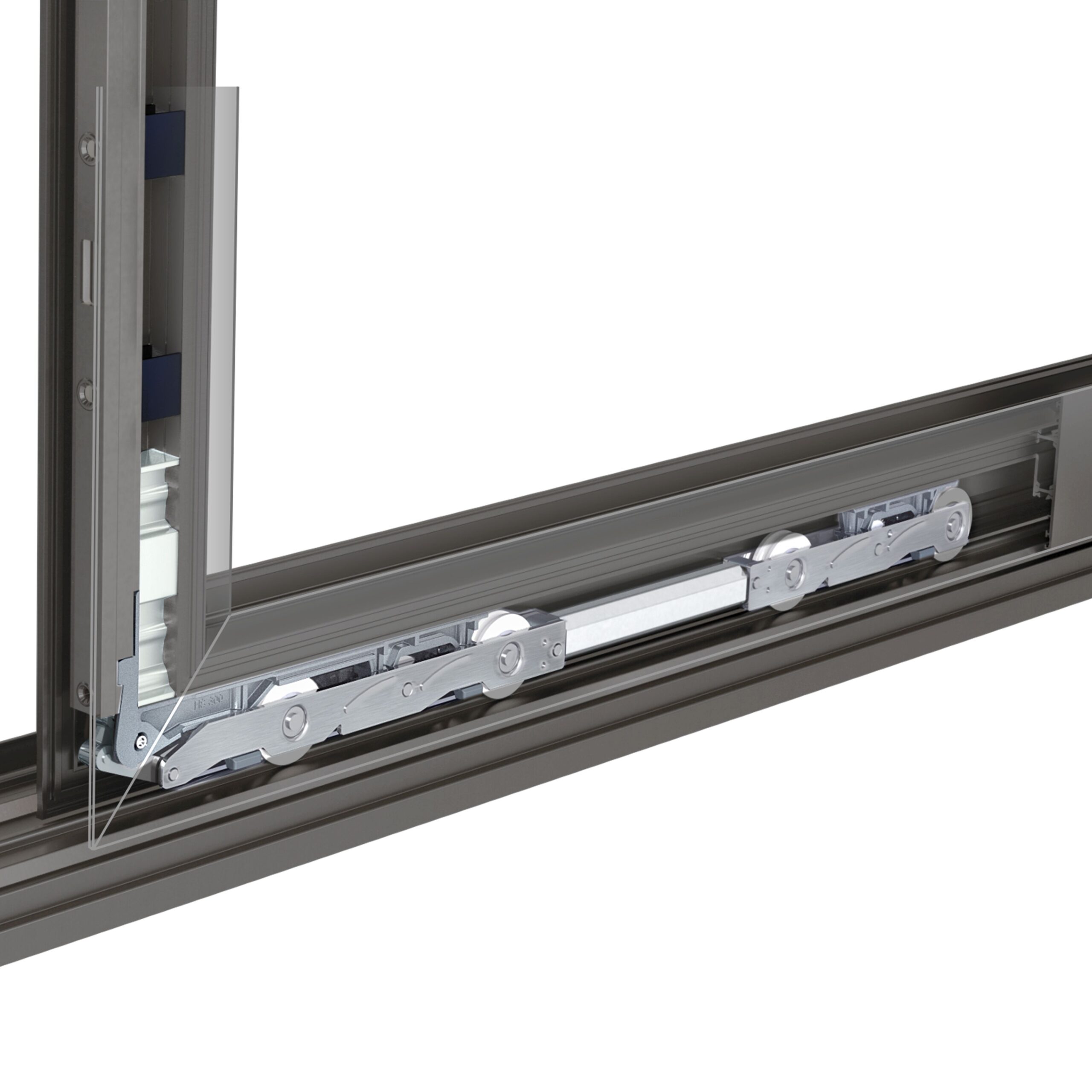
ฟังก์ชันยกและเลื่อนของประตูยกเลื่อนถูกทำให้ใช้งานได้ผ่านระบบฮาร์ดแวร์ที่ติดตั้งในตัว ซึ่งประกอบด้วยมือจับ กลไกการส่งกำลัง ลูกกลิ้ง จุดล็อค และที่นั่งล็อค การยกและลดระดับของแผงประตูทำได้โดยการออกแรงบิดที่มือจับ ซึ่งจะขับเคลื่อนกลไกการส่งกำลังและก้านส่งกำลัง ทำให้ลูกกลิ้งเคลื่อนที่ไปตามกลไกการยกและช่วยให้แผงประตูยกขึ้นหรือลดลงและล็อคอย่างแน่นหนาที่จุดใดก็ได้บนราง ป้องกันการเลื่อนโดยไม่ตั้งใจ.
ที่จับ
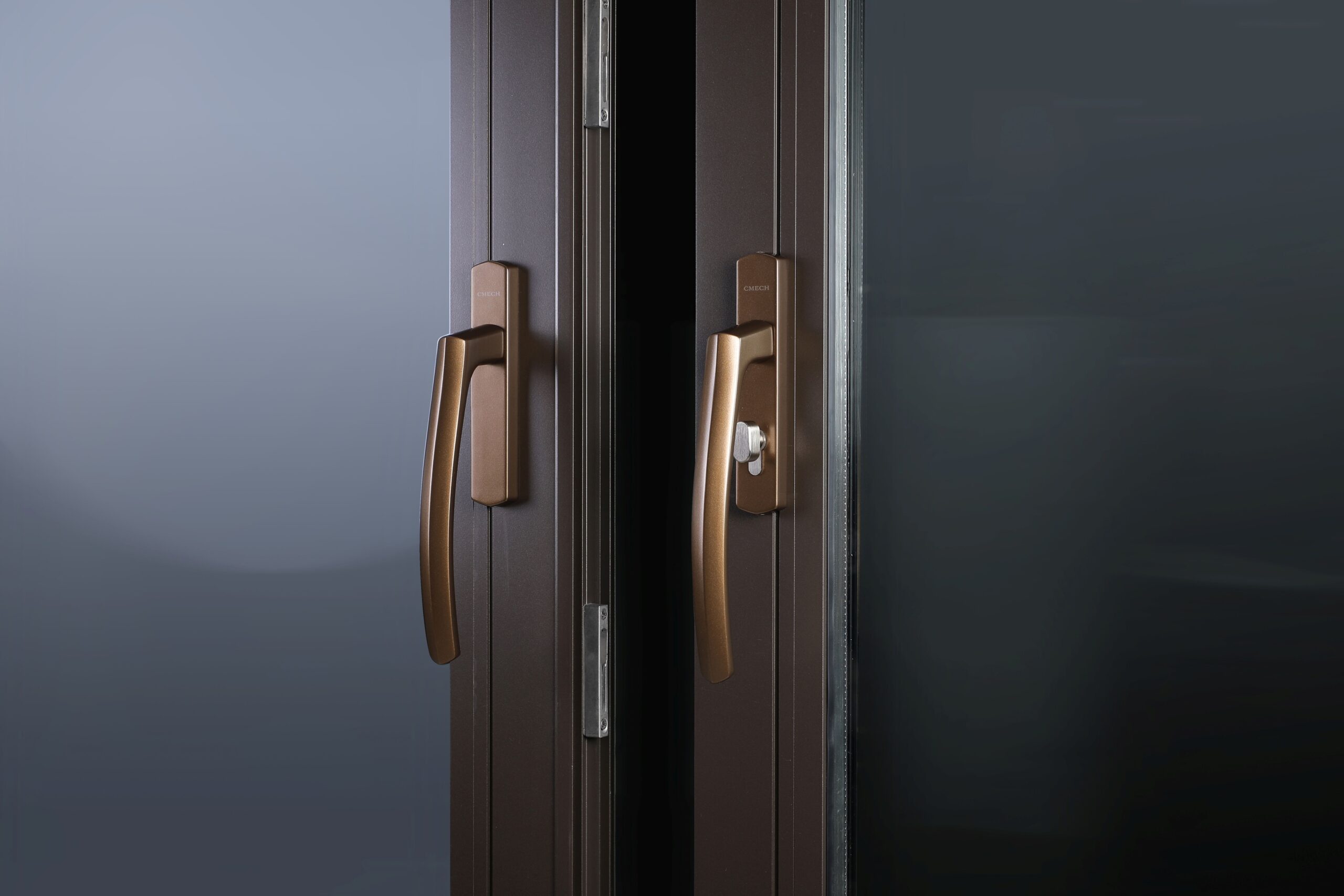
มือจับประตูแบบยกเลื่อนมักจะมีขนาดใหญ่กว่ามือจับประตูบานเลื่อนมาตรฐาน เนื่องจากถูกออกแบบมาเพื่อรองรับประตูที่มีน้ำหนักมากกว่า มือจับคุณภาพสูงมักผลิตจากโลหะผสมสังกะสีเพื่อความทนทาน พร้อมผิวขัดเงาที่ต้านทานการกัดกร่อนและสนิม.
ต่างจากมือจับประตูบานเลื่อนมาตรฐานที่ล็อคประตูโดยการหมุน 90° ไปทางกรอบประตู มือจับประตูบานเลื่อนแบบยกหมุนได้เต็ม 180° ซึ่งหมายความว่าแผงประตูอาจล็อคได้ในทุกตำแหน่ง.
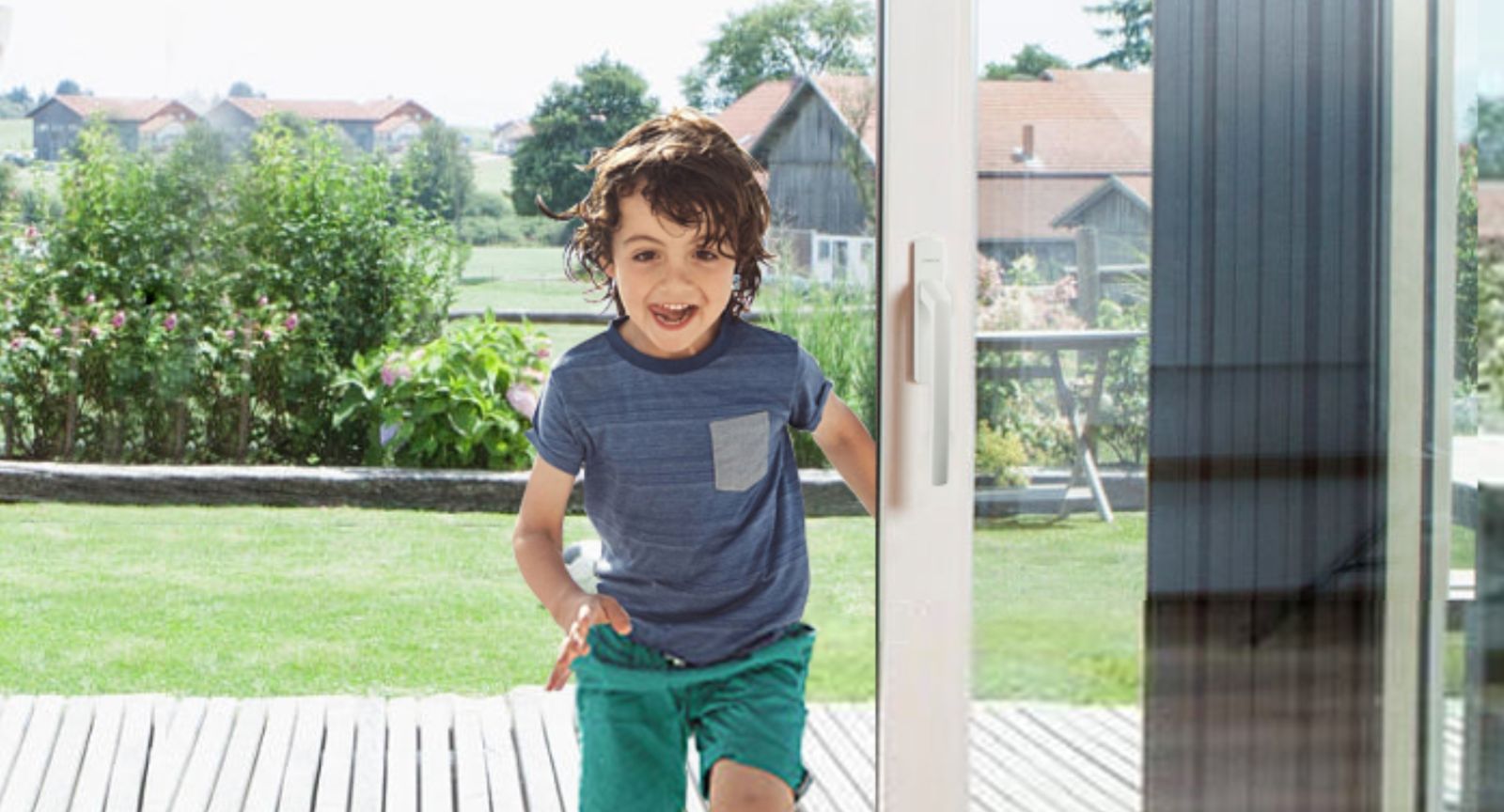
คุณสมบัติด้านความปลอดภัยที่เราชื่นชอบสำหรับครอบครัวที่มีเด็ก.
กลไกการถ่ายทอด
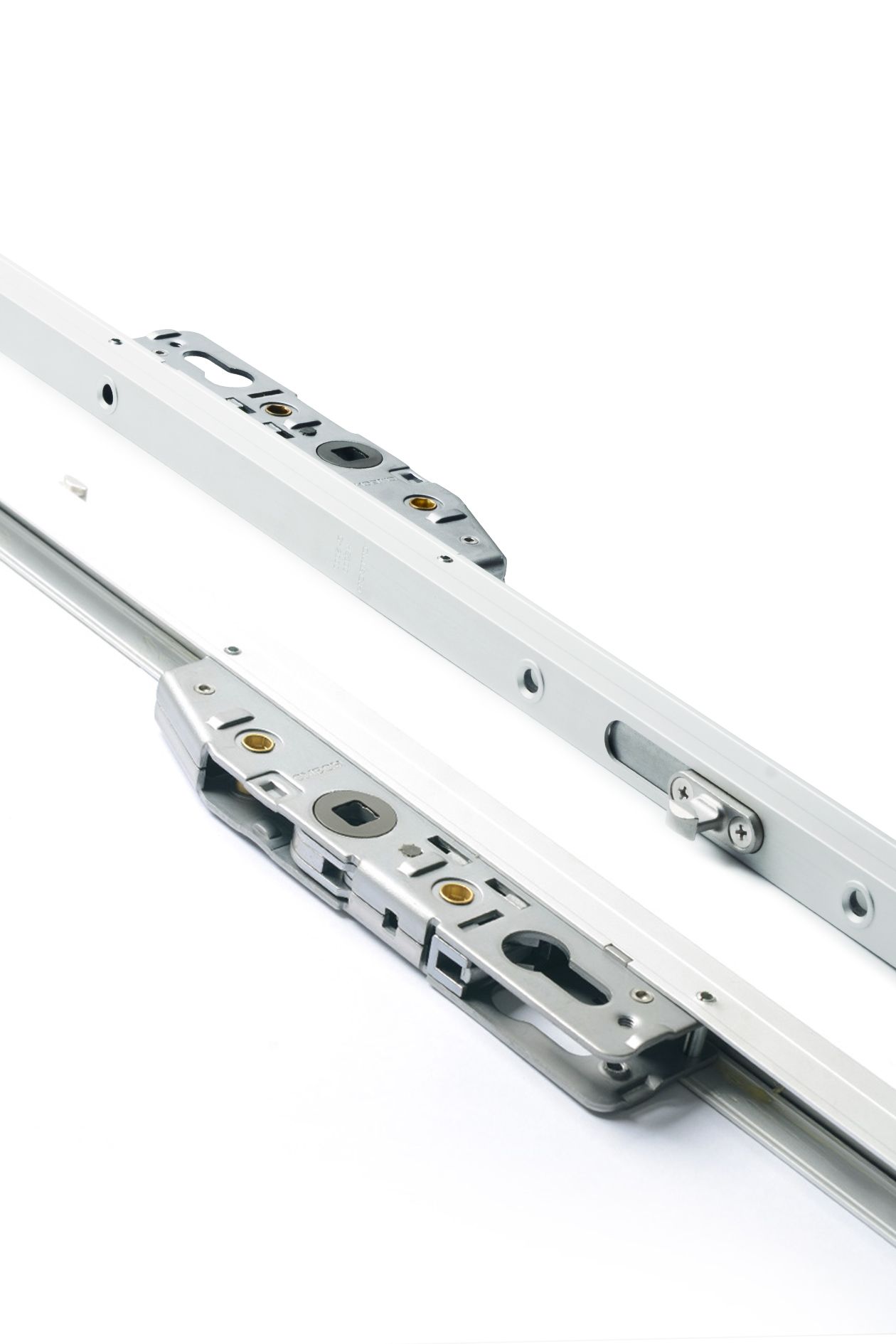
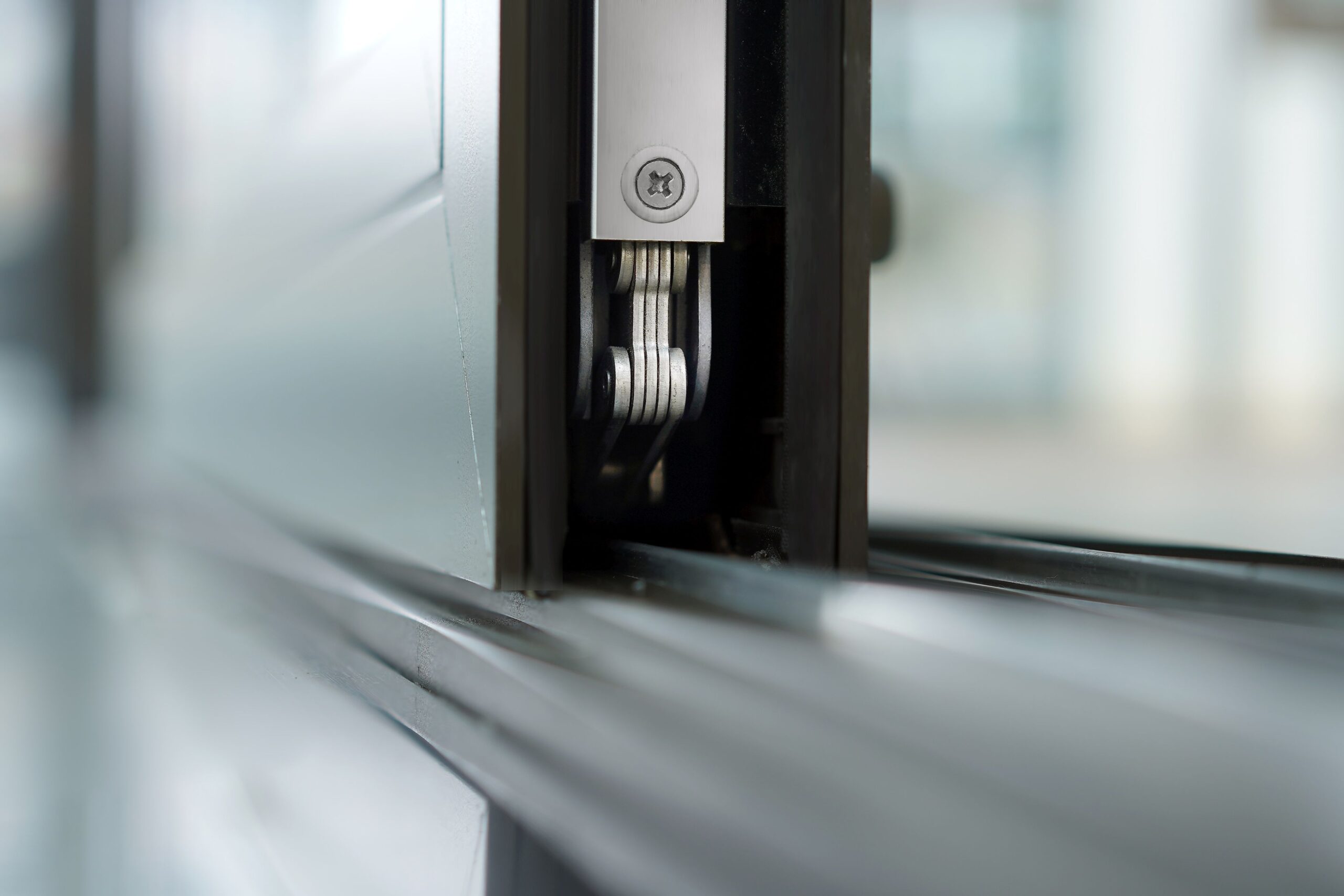
กลไกการส่งกำลังเชื่อมต่อระหว่างด้ามจับกับส่วนประกอบที่ใช้ล็อก (เช่น สลักหรือตัวล็อก) เมื่อคุณขยับด้ามจับ กลไกการส่งกำลังจะถ่ายทอดการเคลื่อนไหวนั้นไปยังการล็อกหรือปลดล็อกระบบ และคุณภาพของกลไกนี้จะเป็นตัวกำหนดความราบรื่นในการใช้งานด้ามจับ.
ดังนั้น กลไกการส่งผ่านที่ทำจากวัสดุที่ทนต่อการกัดกร่อนและออกแบบมาเพื่อความเสถียรจึงมีความจำเป็นอย่างยิ่ง ทีมของเราได้พบกับประตูเลื่อนยกที่มีคุณภาพต่ำในตลาดซึ่งมีการกระเด้งของมือจับอย่างรวดเร็วระหว่างการใช้งาน สำหรับครอบครัวที่มีเด็กเล็ก อาจก่อให้เกิดความเสี่ยงต่อความปลอดภัยได้.
เพื่อแก้ไขปัญหานี้ เราขอแนะนำให้เลือกรูปแบบการส่งผ่านที่มีฟังก์ชันบัฟเฟอร์ เมื่อคุณรวมฟังก์ชันนี้เข้าไป คุณสามารถมั่นใจได้ว่าการเปลี่ยนผ่านจะราบรื่นยิ่งขึ้นในระหว่างการเคลื่อนไหวของแผงประตู ป้องกันการกระเด้งกลับอย่างกะทันหันเมื่อประตูถูกล็อกหรือปลดล็อก.
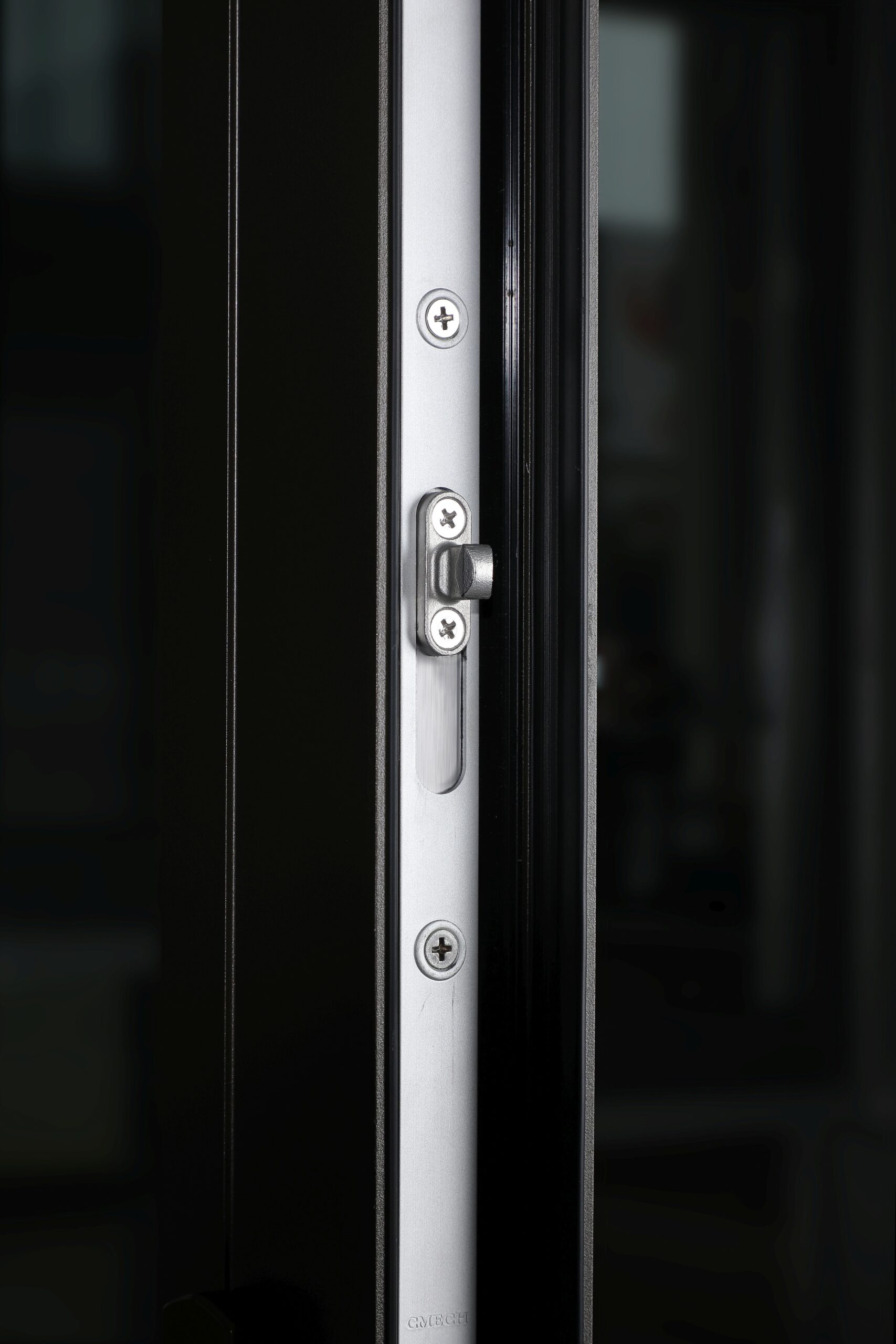
นอกจากนี้ เราขอแนะนำให้ค้นหาดีไซน์ที่มีการผสานจุดล็อกเข้ากับกลไกการส่งกำลัง กลไกการส่งกำลังแต่ละชุดควรมีจุดล็อกอย่างน้อยสี่จุด เพื่อให้มั่นใจว่าเป็นระบบล็อกหลายจุด ซึ่งจะช่วยเพิ่มประสิทธิภาพในการปิดผนึก การป้องกันความร้อนหรือความเย็น และการป้องกันการโจรกรรม.
เพื่อความปลอดภัยเพิ่มเติม จุดล็อกควรถูกซ่อนไว้ภายในแผงประตู และที่นั่งล็อกควรถูกสร้างขึ้นภายในร่องกรอบประตู รายละเอียดการออกแบบประเภทนี้จะช่วยลดความเป็นไปได้ของการยื่นของฮาร์ดแวร์ ทำให้สมาชิกในครอบครัวของคุณปลอดภัยจากอันตราย.
ลูกกลิ้ง: ด้านหน้าและด้านหลัง
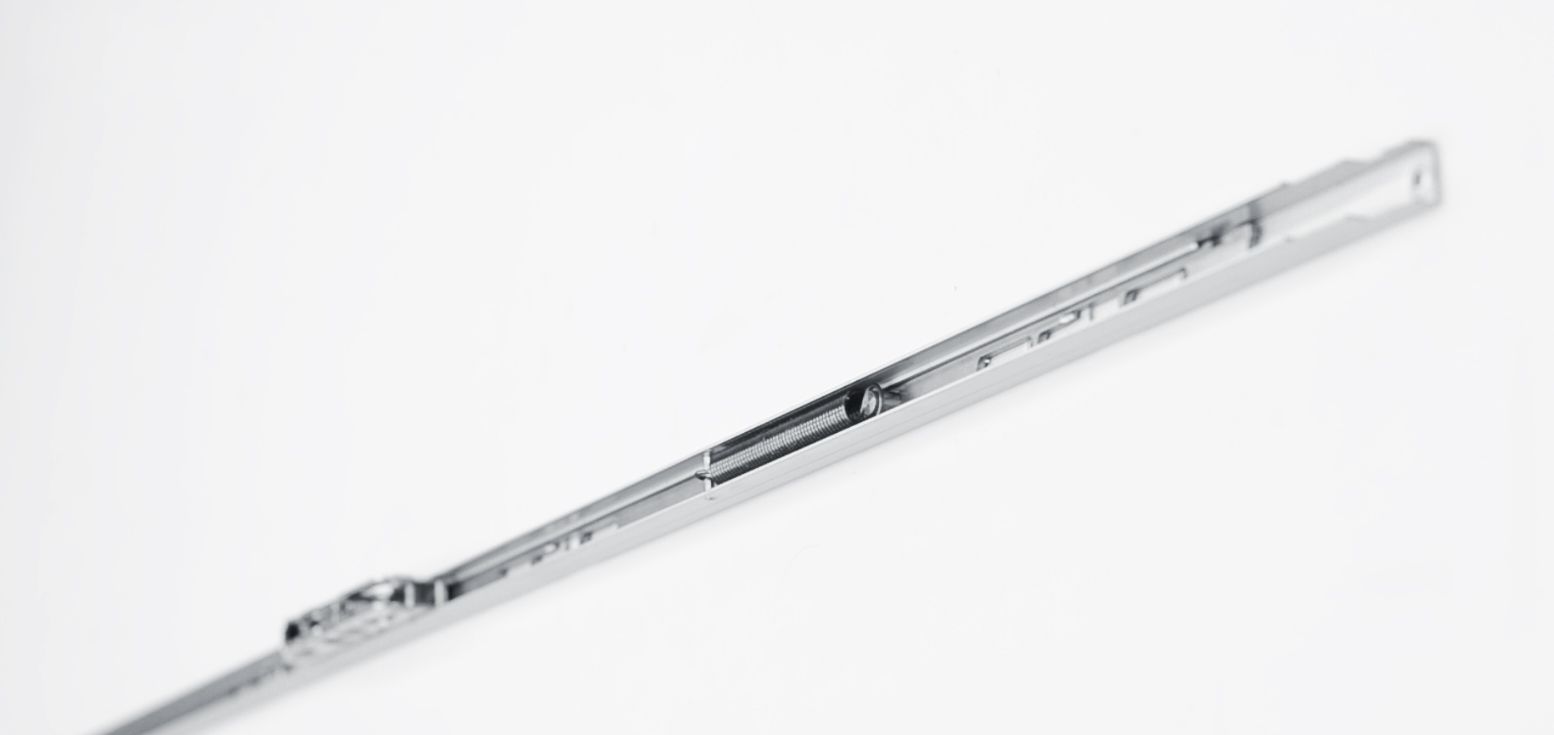
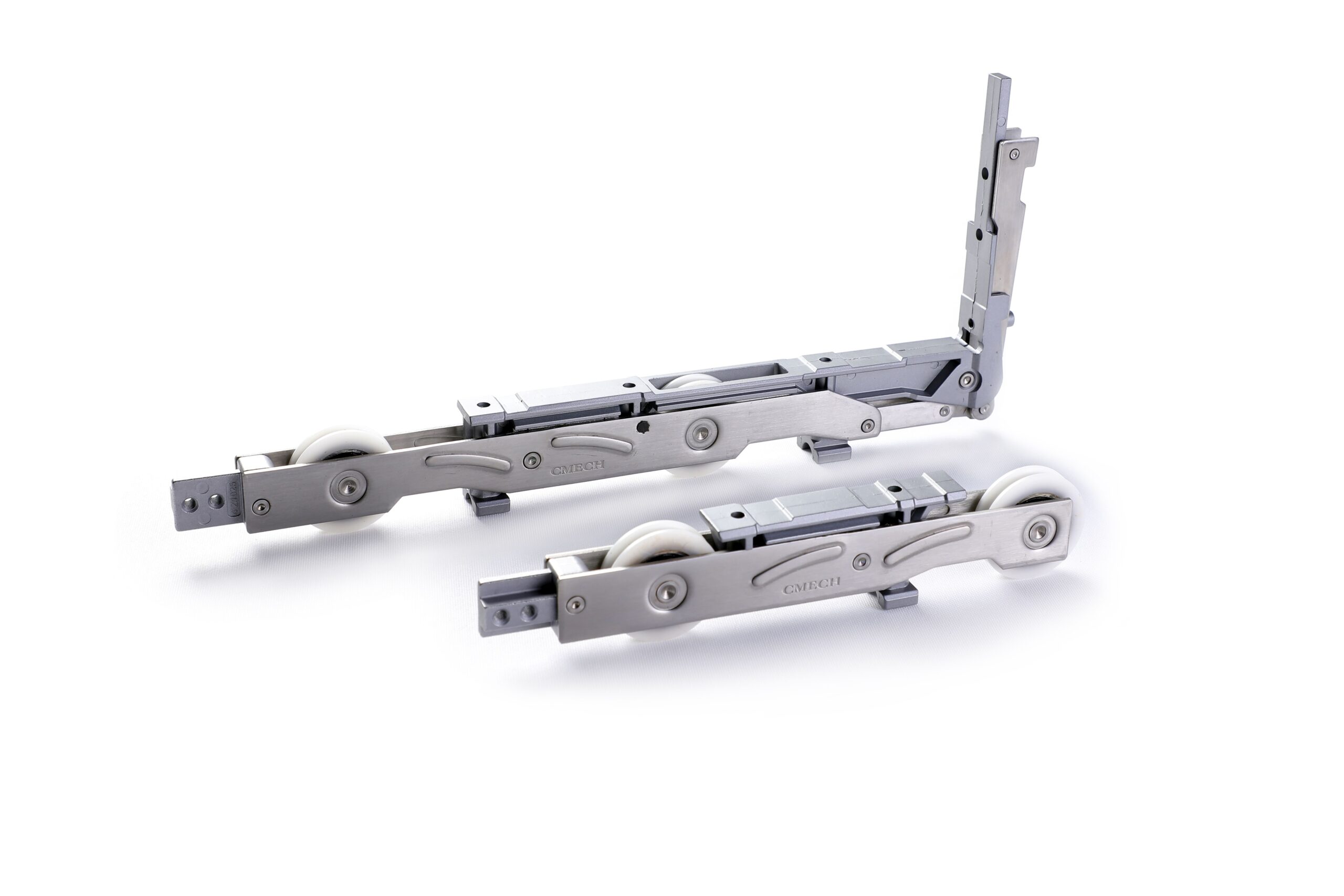
ในประตูบานเลื่อนมาตรฐาน ลูกกลิ้งจะช่วยให้เกิดการเคลื่อนที่ในแนวนอนเท่านั้น ในทางตรงกันข้าม ลูกกลิ้งในประตูแบบยกเลื่อนไม่เพียงแต่ช่วยให้เลื่อนในแนวนอนได้เท่านั้น แต่ยังช่วยให้ยกในแนวตั้งได้อีกด้วย ซึ่งเป็นเหตุผลสำคัญที่ทำให้ประตูแบบยกเลื่อนมีประสิทธิภาพในการปิดผนึกเหนือกว่า เนื่องจากแผงประตูของระบบยกเลื่อนมีขนาดใหญ่และหนักกว่า จึงจำเป็นต้องเลือกลูกกลิ้งที่ทำจากวัสดุที่เชื่อถือได้ มีความสามารถในการรับน้ำหนักสูง และทนต่อการสึกหรอได้ดีเยี่ยม.
มักผลิตจากแผ่นสแตนเลสที่หนาขึ้น ลูกกลิ้งหน้าและหลังคุณภาพสูงเป็นองค์ประกอบหลักของความแข็งแรงและความทนทานของโครงสร้างโดยรวม นอกจากนี้ คุณภาพของตลับลูกปืนยังมีความสำคัญอย่างยิ่ง ด้วยตลับลูกปืนคุณภาพสูง คุณสามารถคาดหวังพื้นผิวที่เรียบเนียนและเสร็จสมบูรณ์อย่างละเอียด และรู้สึกถึงการเคลื่อนไหวที่ราบรื่นและง่ายดาย.
อีกปัจจัยสำคัญที่ต้องพิจารณาคือโครงสร้างภายในของลูกกลิ้ง เราแนะนำให้เลือกลูกกลิ้งที่ใช้กลไกขับเคลื่อนด้วยเฟือง เนื่องจากสามารถลดแรงที่ต้องใช้ในการยกได้อย่างมาก และยังช่วยยืดอายุการใช้งานอีกด้วย ลูกกลิ้งประสิทธิภาพสูงได้รับการออกแบบมาให้ทนทานต่อการใช้งานซ้ำๆ โดยมีระดับความทนทานสูงถึงหลายแสนรอบ.
เพื่อประสบการณ์การใช้งานที่ยอดเยี่ยมและอายุการใช้งานที่ยาวนานและเชื่อถือได้ การลงทุนในลูกกลิ้งที่แข็งแรงและออกแบบอย่างแม่นยำสำหรับประตูเลื่อนยกนั้นคุ้มค่า.
เป็นทางเลือกที่น่ารักสำหรับผู้ที่ชื่นชอบความสะดวกสบาย ระบบอุปกรณ์ประตูเลื่อนยกของ CMECH สามารถควบคุมได้ด้วยระบบอิเล็กทรอนิกส์ ด้วยการสัมผัสเบา ๆ ของนิ้วมือ คุณสามารถเปิดและปิดแผงประตูได้ มอบความหรูหราอย่างสูงสุด.
ประตูบานเลื่อนยกสามารถจัดการกับแผงขนาดใหญ่และหนักได้อย่างง่ายดาย และมาพร้อมกับข้อดีเพิ่มเติมมากมายเมื่อเทียบกับประตูบานเลื่อนมาตรฐาน.
ประโยชน์ของการใช้พลังงานอย่างมีประสิทธิภาพ
ประตูเลื่อนยกของ CMECH มีรางติดตั้งที่ด้านบนและด้านล่างของกรอบประตู การเชื่อมต่อที่แน่นหนาอย่างอากาศระหว่างกรอบและแผงประตูช่วยป้องกันการรั่วไหลของอากาศ เมื่อประตูถูกล็อก ซีลยางรอบกรอบจะสร้างผลของการปิดผนึก ป้องกันการสูญเสียความร้อนในฤดูหนาวและการสูญเสียความเย็นในฤดูร้อนได้อย่างมีประสิทธิภาพ ส่งผลให้มีการฉนวนกันความร้อนที่ยอดเยี่ยม เพิ่มประสิทธิภาพการใช้พลังงานสำหรับบ้านและอาคาร.
กรอบประตูบานเลื่อนยกมีอายุการใช้งานที่ยาวนานกว่าและทนต่อแรงลมได้ดีกว่าเมื่อเปรียบเทียบกับประตูบานเลื่อนมาตรฐานทั่วไป.
ความปลอดภัยที่เพิ่มขึ้น
ประตูบานเลื่อนยกยังสามารถทำหน้าที่เป็นโซลูชันป้องกันการโจรกรรมได้อย่างมีประสิทธิภาพด้วยความทนทานต่อการงัดแงะที่เพิ่มขึ้น เมื่อเลื่อนมือจับไปยังตำแหน่งปิด กลไกล็อคจะทำงานและน้ำหนักทั้งหมดของแผงประตูจะถูกกดลงบนกรอบประตู ทำให้เป็นตัวเลือกที่ปลอดภัยและเชื่อถือได้สำหรับระเบียง ดาดฟ้า หรือพื้นที่เปิดโล่งอื่นๆ ในบ้านและโครงการพัฒนา.
อีกหนึ่งคุณสมบัติที่รอบคอบของประตูเลื่อนยกคือดีไซน์ที่ปลอดภัยสำหรับเด็ก เนื่องจากประตูสามารถล็อกได้ในทุกตำแหน่ง จึงป้องกันไม่ให้เด็กเปิดประตูโดยไม่ได้ตั้งใจเมื่อไม่มีผู้ใหญ่ดูแล ทำให้บ้านปลอดภัยยิ่งขึ้น.
การลดเสียงรบกวน
ลูกกลิ้งและรางของประตูเลื่อนยก CMECH ถูกออกแบบด้วยตลับลูกปืนภายในลูกกลิ้งเพื่อให้การนำทางที่ราบรื่นและการเลื่อนที่ง่ายดาย ในขณะเดียวกัน การผสมผสานภายนอกลูกกลิ้งที่เคลือบด้วยยางช่วยลดเสียงรบกวนจากการทำงานได้อีกด้วย
นอกเหนือจากฮาร์ดแวร์ภายในแล้ว การปิดผนึกที่มีประสิทธิภาพของประตูเลื่อนยกยังให้การป้องกันเสียงที่ยอดเยี่ยมอีกด้วย ลองจินตนาการถึงการเพลิดเพลินกับแสงธรรมชาติและวิวทิวทัศน์ที่สวยงามอย่างสงบสุข โดยไม่มีเสียงรบกวนจากภายนอก... ความเงียบสงบ!
สรุป
เราหวังว่าคุณจะพบความแตกต่างและข้อดีของแต่ละระบบประตูว่ามีประโยชน์และน่าสนใจเช่นเดียวกับเรา! หากคุณสนใจที่จะเรียนรู้เพิ่มเติมเกี่ยวกับนวัตกรรมล่าสุดในระบบฮาร์ดแวร์ประตูของ CMECH หรือหากคุณต้องการสัมผัสประสบการณ์ระบบนี้ด้วยตัวเอง โปรดอย่าลังเลที่จะติดต่อทีมงานของเรา.
 English
 Arabic
 Chinese
 French
 Thai
Thai Vietnamese