
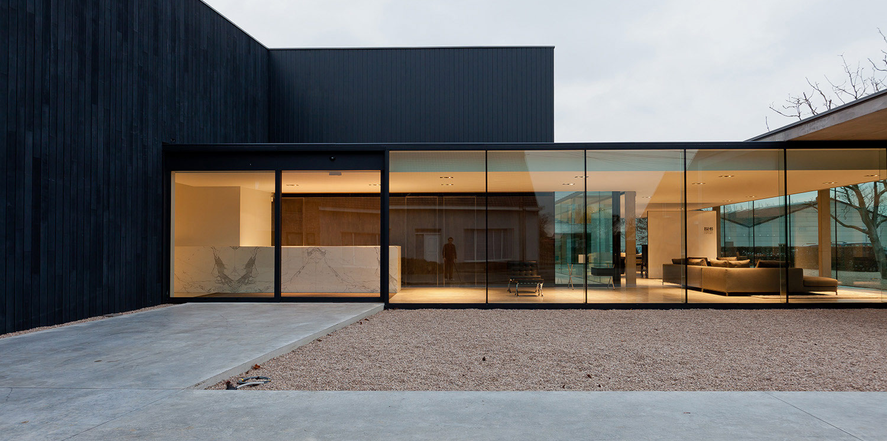


Modern building projects require sliding doors that balance visual design, smooth operation, and practical installation. The hardware inside a door system affects movement quality, adjustment methods, and long-term use. When project teams compare sourcing methods, they need to understand how different components work together instead of only reviewing individual parts.
For distributors, developers, and door brands, a coordinated solution can simplify project planning. A complete system helps connect design requirements with technical needs. This is why 滑动门五金 selection plays an important role in modern architectural applications.

Complete Hardware Systems and Component Sourcing
A sliding door includes multiple components that need to operate together. Rollers, tracks, handles, and adjustment structures all influence the final performance. When these parts come from different sources, buyers may need to spend more time checking compatibility and technical details.
A complete system approach focuses on how each component supports the overall door structure. This allows project teams to evaluate operation, installation, and maintenance requirements together.
When selecting a sliding door hardware kit, buyers can review whether the components are designed as one solution. This method can reduce uncertainty during planning and provide clearer guidance for installation teams.
Comparing Integration With Individual Part Selection
Fragmented sourcing requires buyers to compare each component separately. Different suppliers may use different specifications, finishes, or adjustment methods, which can create additional communication work during a project.
An integrated hardware system considers the relationship between different parts. The track, rollers, and supporting structures need to match each other to maintain stable movement and practical operation.
Our SLIDING DOOR HARDWARE SOLUTION is designed for modern living spaces. The gliding door hardware system provides smooth and silent operation with flexible configuration options for different door types. It also supports easy installation and height adjustment for a convenient user experience.
Installation and Daily Operation Requirements
Installation efficiency is an important factor for residential and commercial projects. Hardware with simple adjustment features can help installers manage different site conditions and improve installation convenience.
Height adjustment is useful when doors require alignment after installation. Proper adjustment can influence movement quality and help maintain a comfortable operation experience during daily use.
For different applications, a suitable sliding door hardware solution should consider technical conditions and user expectations. Smooth movement, stable structure, and practical installation features all affect the final result.
How Design and Manufacturing Support Project Needs
Hardware selection is closely connected with manufacturing capability. Consistent production processes, testing procedures, and quality management can influence product performance across different projects.
At CMECH, we focus on door and window hardware development with design experience and manufacturing management. Our 70,000㎡ research and production base supports product development, testing, and production processes for various project requirements.
We also pay attention to surface treatment and structural details. Hidden hardware designs and handle solutions without visible bases help create cleaner appearances for modern architectural spaces.
Certification and Supply Stability in Global Projects
International projects often require clear product information and stable cooperation. Certification documents, testing records, and sliding door hardware production processes can help buyers understand whether a solution matches their application needs.
For European-related projects, ift certification can be used as a reference when the tested configuration matches the selected hardware system. Buyers should review certification scope and technical details based on the actual project requirements.
Our production planning and service network help us communicate with partners during different project stages. This approach supports cooperation with distributors, developers, and door brands in different markets.
Choosing Systems Based on Project Needs
Different buildings create different requirements for sliding doors. Residential projects may focus more on appearance, smooth operation, and space use. Commercial projects often need to consider installation schedules, repeated door configurations, maintenance access, and replacement planning.
A suitable sliding door hardware kit should match the door type, panel weight, application environment, and expected frequency of use. These factors also influence whether a project is better suited to a complete hardware system or components purchased separately.
Complete systems are often practical when a project includes many similar door units. Tracks, rollers, guides, and related parts are selected as part of one system, which reduces the work required to check component compatibility. Procurement can also be simpler because fewer suppliers and product combinations need to be managed.
Separate sourcing offers greater flexibility when a project has unusual design requirements or needs to combine specific components from different manufacturers. However, project teams must confirm dimensions, load requirements, fixing methods, finishes, and installation tolerances between products. This approach may also involve more supplier coordination and additional checking before installation.
The final choice therefore depends on project scale, customization needs, technical resources, and procurement priorities. Complete systems can reduce compatibility and sourcing work, while separate purchasing gives designers more freedom when standard system configurations do not fit the project.
Better Sliding Door Applications Through Proper Selection
Hardware details may seem small, but they influence how people interact with doors every day. A suitable system connects design concepts with practical performance and helps sliding doors become part of the overall architectural environment.
At CMECH, we continue to focus on product design, testing, and manufacturing control for partners seeking practical hardware options. Through engineering cooperation and quality management, we help customers evaluate solutions according to different project conditions.
Choosing the right sliding door hardware kit is not only about selecting separate components. It is about understanding how each part contributes to the complete door experience. With proper evaluation, sliding door systems can achieve a balance between appearance, function, and long-term application needs.


 English
 Arabic
 Chinese
 French
 Thai
 Vietnamese