
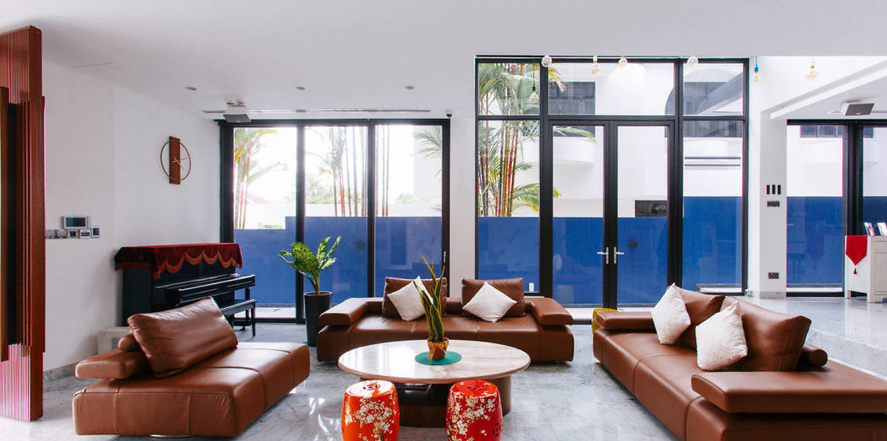


Mega projects place exceptional demands on architectural hardware. Hotels, mixed-use developments, airports, luxury residences, and large commercial buildings may contain hundreds of large-format openings, making hardware selection a critical part of tender specifications. For architects, consultants, developers, and procurement teams, 折叠门五金 must satisfy measurable requirements for load capacity, durability, alignment, adjustment, and operation. We believe clear technical specifications can reduce procurement risks while helping project teams achieve consistent performance across large installations.
Why Hardware Specifications Matter in Mega Tenders
A tender specification needs to do more than identify a preferred hardware category. It should establish measurable performance criteria that allow qualified suppliers to provide technically comparable solutions.
For bifold doors, these criteria can include leaf weight, configuration, cycle testing, roller construction, adjustment range, locking integration, material, and expected operating conditions. Without sufficiently detailed requirements, apparently similar products may perform very differently after installation.
We recommend that project teams define these parameters during the design stage. This creates a clearer technical baseline for bidding while reducing the possibility of substitutions that meet basic dimensional requirements but fail to deliver the intended long-term performance.
Define the Bifold Configuration First
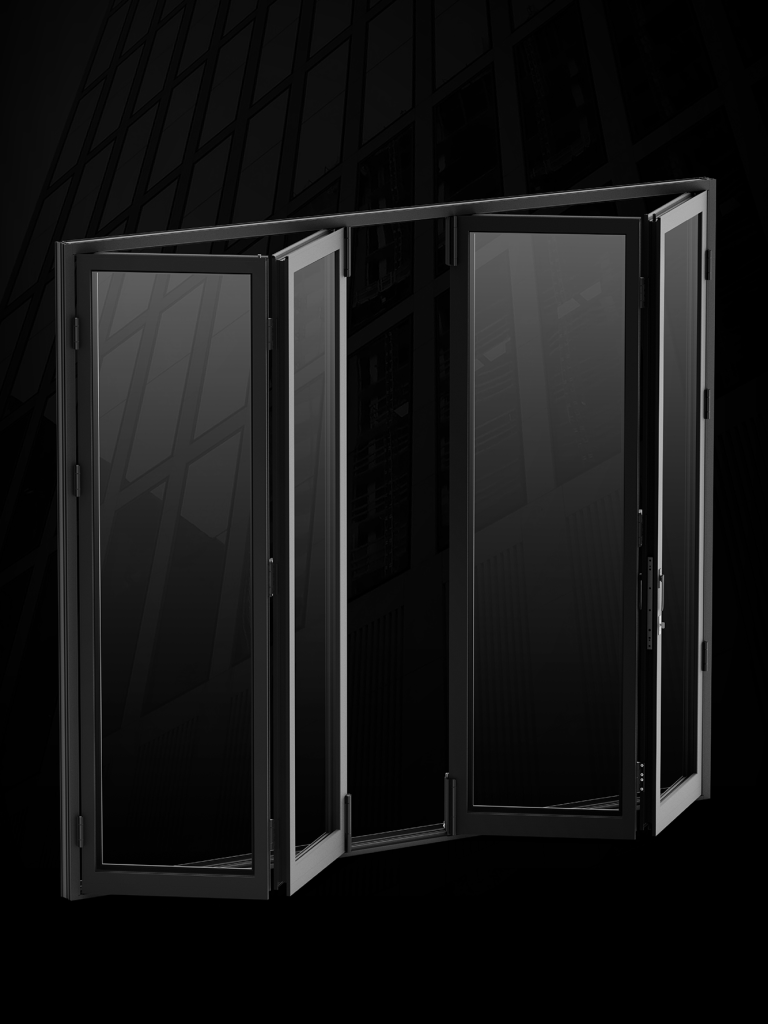
Door configuration directly affects hardware selection. Even-numbered leaf systems have specific folding and movement requirements, particularly when multiple leaves must stack smoothly without excessive resistance.
Our Even Configuration system is designed specifically for even-numbered leaf arrangements. It uses a modular design with a 150 kg load capacity and high-strength materials combined with precision transmission mechanisms.
The configuration supports flexible multi-leaf folding, helping project teams maximize usable space while maintaining expansive openings. For tender documents, specifying the intended leaf configuration and corresponding load requirements can make supplier responses easier to evaluate and compare.
Cycle Testing Provides a Clear Durability Benchmark
Mega-project operators cannot afford frequent hardware failures across hundreds of openings. Durability testing is therefore an important specification criterion.
The Even Configuration system has a tested durability exceeding 30,000 operating cycles. This gives consultants and procurement teams a measurable reference when evaluating competing hardware for bifold doors.
Cycle testing should be considered alongside actual project usage. A hotel, residential tower, and commercial facility may have very different operating patterns. Tender documents should therefore specify an appropriate durability benchmark based on expected traffic and service conditions rather than relying solely on generic product descriptions.
Alignment and Adjustment Are Critical After Installation
Large bifold doors must remain accurately aligned to operate smoothly. Even small deviations can affect gaps, locking engagement, roller movement, and the overall visual appearance of a glazed façade.
A comprehensive bifold door hardware system should therefore provide adjustment capabilities that allow installers to compensate for normal construction tolerances. The lower roller’s -1.5 mm to +3 mm vertical adjustment range is one example of a defined parameter that can be incorporated into technical evaluation.
The relationship between components also matters. Multi-point locks, shootbolts, adjustable rollers, and hinges need to coordinate correctly so that the finished door remains balanced and properly aligned throughout repeated use.
Material Requirements Should Be Specific
Tender documents should avoid vague descriptions such as “high-quality metal” when material performance affects the service life of the bifold door hardware. Specifying an appropriate grade or construction method gives suppliers and contractors a clearer technical target.
For example, our lower roller uses 304 stainless steel and investment casting as a single-piece construction. These details provide useful criteria for evaluating strength, wear resistance, and manufacturing consistency.
Material requirements should also reflect the installation environment. Coastal developments, humid climates, and heavily trafficked public buildings may require greater attention to corrosion resistance and maintenance requirements.
Creating a More Reliable Tender Specification
A strong mega-project tender should clearly identify the technical expectations for bifold door hardware. We recommend including the door configuration, maximum leaf weight, cycle requirement, roller construction, adjustment range, material specification, locking arrangement, and compatibility requirements.
CMECH’s Even Configuration system provides defined reference points, including a 150 kg load capacity, more than 30,000 tested operating cycles, dual-guide rollers, and 304 stainless-steel construction for the lower roller. These specifications illustrate the type of measurable information that can help procurement teams compare solutions more objectively.
CMECH believes that good tender documentation should focus on performance rather than simply naming a product category. Clear requirements give qualified suppliers a fair technical framework while protecting the project’s intended quality.
Turning Tender Requirements Into Long-Term Performance
Selecting hardware for bifold doors in a mega project requires a balance between architectural ambition and measurable engineering performance. Large openings must remain smooth, stable, secure, and visually consistent despite repeated operation and demanding loads.
By specifying configuration, load capacity, cycle durability, material, adjustment, and component coordination from the beginning, project teams can reduce uncertainty during procurement and installation.
CMECH approaches bifold door systems with this performance-focused mindset. Our Even Configuration solution combines modular construction, 150 kg load capacity, dual-guide rollers, adjustable movement, coordinated locking, and more than 30,000 cycles of tested durability.
For architects, consultants, and developers, detailed hardware specifications are ultimately an investment in project reliability. The clearer the technical requirements, the easier it becomes to select hardware that performs as intended long after the tender has been awarded and the doors have been installed.

 English
 Arabic
 Chinese
 French
 Thai
 Vietnamese