
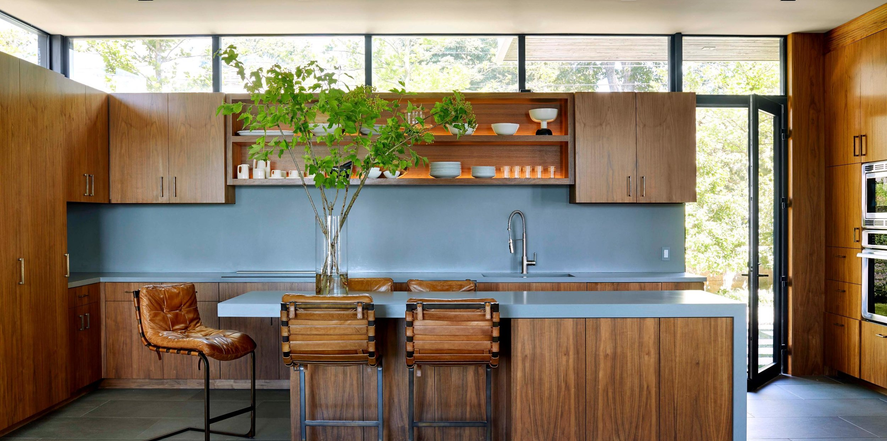


Large architectural projects require careful planning before door hardware specifications are finalized. In residential developments, hotels, offices, and public buildings, doors need to support frequent operation while matching safety, design, and maintenance requirements.
For architects, developers, contractors, and procurement teams, tender documents should include clear technical expectations. A practical specification needs to consider door structure, usage conditions, installation methods, testing requirements, and future maintenance. This helps different project participants evaluate solutions with a consistent understanding.
Define Requirements Before Hardware Selection
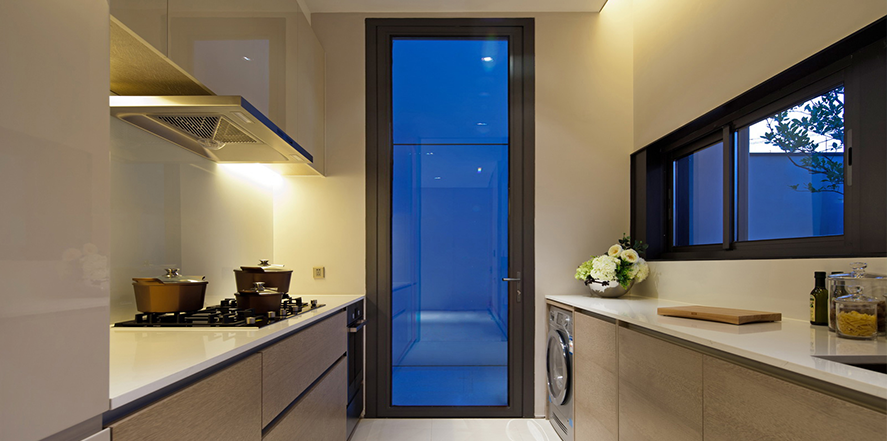
Before preparing a tender, project teams should review the actual application environment. Door size, material, traffic level, opening frequency, and installation location all influence hardware selection. A door in a hotel corridor may have different requirements from one used at a commercial entrance.
When selecting ملحقات الباب المتأرجح, buyers should review the relationship between hinges, handles, locks, and closing mechanisms. Each component affects the operation process. Clear requirements for load capacity, adjustment methods, finish, and safety functions help suppliers provide suitable technical information.
A complete specification should also consider user experience. Doors should operate smoothly, close correctly, and maintain stable performance during daily use. These details can influence building quality after completion.
Match Hardware With The Complete Door System
Hardware selection should not focus on separate parts only. Hinges, handles, locking systems, and accessories need to match the door structure and installation conditions. A mismatch between components may create additional adjustment work during construction.
A coordinated system allows project teams to review how different parts work together. Installers can better understand the installation process, while procurement teams can evaluate the overall solution instead of comparing unrelated components.
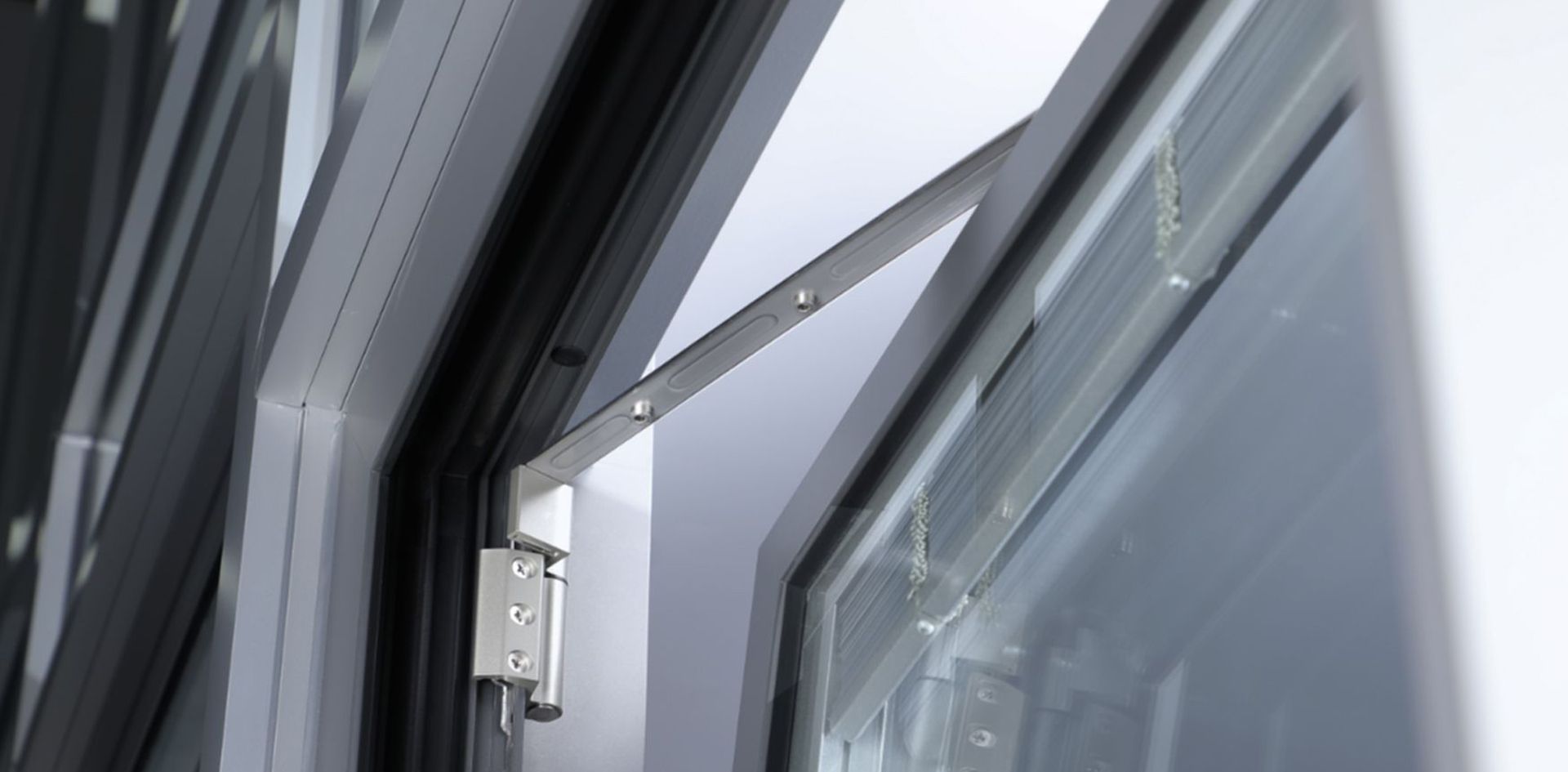
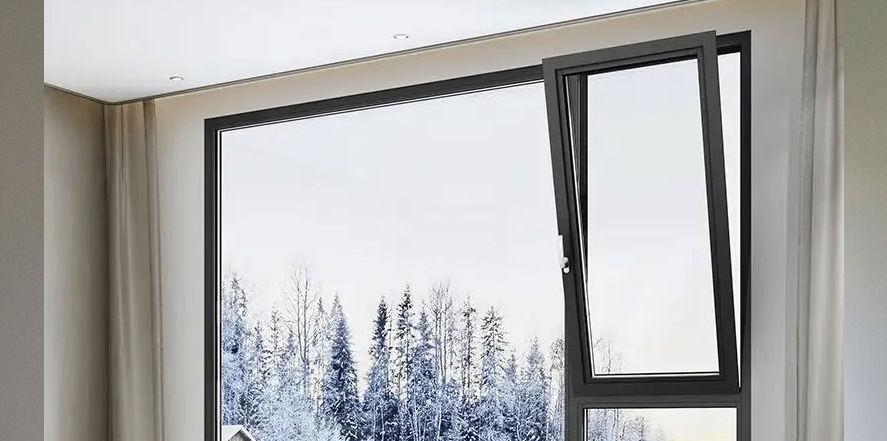
Our Hinged Door Hardware Solution is designed for different project applications. The system focuses on sealing performance, sound and thermal insulation, and anti-burglary protection. These functions are considered together with daily operation needs.
Balance Design Requirements And Practical Functions
Modern buildings often pay attention to both appearance and performance. Door hardware is not only a functional element but also part of the overall architectural design. Handle style, visible components, and surface finish can influence the final visual effect.
Concealed hardware and minimalist handle designs are becoming more common in projects that value clean lines. Compared with traditional exposed components, concealed structures can reduce visual interruption while maintaining necessary operating functions.
For hinged door hardware, tender documents should include appearance requirements, material considerations, and surface treatment expectations. The selected finish should match the project environment, including humidity, temperature, and usage conditions.
Review Testing And Certification Details
Testing information provides useful references during tender evaluation. Project teams should review performance checks related to load, operating cycles, corrosion resistance, and safety functions. These details help buyers understand whether the hardware matches the intended application.
Certification information should also be reviewed carefully. The certificate scope, tested configuration, and applicable standards need to correspond with the proposed hardware system. This avoids confusion during technical approval.
At CMECH, we apply 15 categories of dedicated testing within our quality process and have ift European standard certification for related products. These practices support communication with distributors, developers, contractors, and door brands during project discussions.
Consider Production Capability And Delivery Planning
Mega projects usually involve large quantities and multiple construction stages. Product consistency, delivery planning, and communication become important parts of supplier evaluation. A suitable supplier needs to support project schedules while maintaining specification control.
When reviewing swing door hardware, procurement teams should consider manufacturing capability, quality management, packaging, and service support. These factors influence how smoothly hardware can move from production to installation.
We operate a 70,000㎡ research and production base with an annual capacity of 20 million hardware sets. Our experience in hardware design and manufacturing can be traced back to the 1990s. We support project partners through product development, technical coordination, warranty coverage, and a global sales and service network.
Prepare For Long Term Building Operation
Tender documents should not only focus on initial installation. Buildings often require long-term maintenance, so clear hardware information can help property teams manage future service work.
For large developments, standardized hardware selection can simplify replacement planning and maintenance communication. Technical records should include hardware specifications, adjustment methods, and service requirements.
A well-organized approach to swing door hardware selection helps connect design goals with practical operation. It allows architects, contractors, and property managers to understand how the system should perform throughout the building lifecycle.
Creating Clear Standards For Future Projects
A successful tender specification combines architectural requirements with technical details. Door structure, operating conditions, design expectations, testing information, and supply capability all influence the final hardware decision.
When evaluating hinged door hardware, project teams can create clearer standards by reviewing the complete door system rather than individual components separately. This approach supports better communication between suppliers and project participants.
We work with partners to connect hardware design, manufacturing control, and project requirements. By considering performance, appearance, testing, and delivery together, teams can create practical specifications for modern architectural projects.
When selecting أدوات أبواب مفصلية, a detailed evaluation process helps buyers understand how the hardware supports daily use, building design, and long-term management. A clear standard provides a useful foundation for successful project execution.

 English
 Arabic
 Chinese
 French
 Thai
 Vietnamese